Angry Mortgage Podcast मा रन बटलरले नायाग्रा क्षेत्रका २१ वर्षभन्दा बढी अनुभव भएका रियाल्टर जन फ्लिनसँग कुरा गरे। उनीहरूले ओन्टारियोको घरजग्गा बजार सामान्य अवस्थाबाट कसरी पागलपनमा गयो र अन्ततः कसरी पतन भयो भन्ने विषयमा छलफल गरे। यहाँ तिनीहरूबीच कुराकानीको संक्षिप्त सारांश छ।
२००४ मा, नायाग्रामा एउटा घरको मूल्य करिब १ लाख ३० हजार डलर थियो। २ लाख ३० हजार डलरको मूल्य त्यतिबेला हास्यास्पद लाग्थ्यो। दुई दशकपछि, त्यही घरहरू कल्पनै गर्न नसकिने मूल्यमा बिके। त्यसपछि बजार पतन भयो।
यो कसरी भयो?
विदेशी पैसा आयो २०१५ तिर बी.सी. ले विदेशी खरिदकर्तामाथि कडाइ गरेपछि त्यो पैसा टोरन्टोतर्फ सरेको थियो। मूल्य आकाशियो। करिब एक वर्षपछि त्यसको असर नायाग्रामा देखियो। बोलकबोल सामान्य बन्यो। कम मूल्य राख्ने खरिदकर्तालाई फर्काइन्थ्यो।
त्यसपछि GTA का लगानीकर्ता आए टोरन्टोका घरधनीहरूले आफ्ना घर पुनः धितो राखेर नायाग्रा र ह्यामिल्टनजस्ता सस्ता क्षेत्रमा घर किने। सुरुमा परिवारलाई भाडामा दिँदा हिसाब मिल्थ्यो। पछि मूल्य भाडाभन्दा छिटो बढ्न थाल्यो। लगानीकर्ता Airbnb तिर सरे। त्यो बन्द भएपछि विद्यार्थी भाडामा। अन्त्यमा घरलाई जथाभावी कोठामा काटियो। प्रत्येक चरण अघिल्लोभन्दा कम अर्थपूर्ण थियो।
कोभिडले सबै सीमा नाघ्यो अत्यन्तै सस्तो ब्याजदर र घरबाट काम गर्ने सोचले सट्टाबाजी चरममा पुग्यो। सामान्यतया सुस्त हुने डिसेम्बर २०२० सबैभन्दा महँगो महिना बन्यो। मानिसहरूले जहाँ जे भेट्यो त्यही किने। विगतको नाफाले कुनै पनि मूल्य जायज ठहर गर्यो।
२०२१ सम्म सबै जना लगानी विशेषज्ञ बने। घर कति भाडा आउँछ वा कति मूल्यको हो भन्ने कुरा कसैले सोधेन।
त्यसपछि विद्यार्थीको बाढी आयो
ओन्टारियोमा अन्तर्राष्ट्रिय विद्यार्थीको संख्या एकाएक बढ्यो। लगानीकर्ताले घरमा विद्यार्थी कोचेर राखे। घरलाई दस–दस कोठामा काटियो। छिमेकहरू एकाएक बदलिन थाले।
पतन
२०२२ मा ब्याजदर बढ्यो र खेल सकियो। पावर अफ सेल सुरु भयो। सुरुमा सट्टेबाजबाट, पछि सामान्य घरधनीसम्म फैलियो। प्रत्येक जबर्जस्ती बिक्रीले मूल्य झन् तल धकेल्यो।
२०२५ को अन्त्यमा देखिएको अवस्था महिनौँअघिको निर्णयको परिणाम हो। अर्को चरण रोजगारी गुमाउनेहरूसँग आउनेछ।
अहिलेको अवस्था
घरहरू सूचीमा छन् तर हेर्न कोही छैन। GTA का लगानीकर्ता हराइसके। ओन्टारियोका केही क्षेत्रहरू उच्चतम मूल्यबाट करिब ४ लाख डलरसम्म झरेका छन्। २०२५ मा सुधार देखिएन। २०२६ झन् खराब हुन सक्छ।
फ्लिनलाई याद छ, साधारण जागिर खाने मानिसहरूले घर किन्न सक्ने समय। त्यो अवस्था अझै फर्किएको छैन।
बाँकी रहेको एउटै प्रश्न
सबै विकृति सकिएका छन्। विदेशी पैसा। सस्तो ऋण। कोभिडको पागलपन। विद्यार्थीको भीड।
अब एउटा मात्र प्रश्न बाँकी छ।
के कसैले ओन्टारियोमा साँच्चै घर किन्न सक्छ?
ओन्टारियोका धेरै ठाउँमा उत्तर अझै पनि किन्न सक्दैन।
Ron Butler from Angry Mortgage Podcast talks with Jon Flynn, a 21-year real estate veteran from Niagara, about how we got from normal housing prices to total insanity and back to crisis
When Jon Flynn started in real estate in 2004, a single family home in Niagara averaged $130,000. He remembers working with a busy realtor who accidentally countered an offer at $230,000 instead of $130,000. She laughed it off because she was “used to dealing with all these high-end homes.”
Twenty years later, those same modest homes peaked at unimaginable prices. Then they started collapsing. Flynn and mortgage broker Ron Butler traced exactly how this happened and why it will get worse before it gets better.
Phase 1: Vancouver Money Arrives (2015-2016)
The madness started when British Columbia blocked foreign buyers. Chinese millionaires who had been buying Vancouver real estate simply flew to Toronto instead. Their method was smart and legal. Send kids to Canadian universities. Get them PR status. Funnel money through them to buy property.
Toronto prices exploded. Within a year, the craze hit Niagara. Multiple offer nights became normal. Agents would line up buyers outside homes, check their prices, and literally tell them “Get out” if the number was too low.
Flynn says what happened in the GTA always arrived in Niagara about 12 months later.
Phase 2: Toronto Investors Invade (2016-2018)
Toronto homeowners discovered something. They could remortgage their appreciated homes, pull out equity, and buy cheaper properties in Niagara, Hamilton, and other regions. At first the rental math worked. You could rent to a family and break even.
But prices kept climbing beyond what rents could support. So investors switched to Airbnb. When cities cracked down on Airbnb, they pivoted to student rentals. When that collapsed, some literally chopped houses into pieces. Ten bedrooms in an 1,100 square foot house.
Each phase made less economic sense than the one before.
Phase 3: COVID Insanity (2020-2021)
Then COVID hit and things went completely crazy. December 2020 had the highest average home prices of the entire year. December is normally the slowest, lowest price month in real estate.
“That was a sign,” Flynn said. “Something was wrong.”
Ultra low interest rates. Work from home policies. Everyone believed office work was dead forever. Speculation hit levels nobody had seen before. GTA residents fled downtown condos where they waited an hour for elevators with three person limits. They bought everything available in suburban Ontario.
Butler remembers a client in Fort Erie who wanted to pay $700,000 for a basic bungalow. Butler asked why. The client said he had made $400,000 in real estate in the last two years. That was the thinking. Past gains justified any future price.
By 2021, every realtor rebranded as an investment expert. Social media made everything worse. Flynn made two and a half times his normal income that year. Butler made similar multiples. New realtors thought this was normal. They bought Hummers and multiple investment properties.
“Everybody and their brother and their mother were just buying houses,” Butler said. “It didn’t matter what you could rent them for. It didn’t matter what they were worth.”
Phase 4: The Student Explosion (2022-2023)
As interest rates rose and speculation cooled, a new distortion arrived. International students. Canada’s student visa approvals jumped from 172,000 nationally to 480,000 just in Ontario.
Private immigration consultant centers appeared everywhere. More than weed shops in Niagara Falls, Flynn said. Investors who couldn’t make money with families or Airbnb packed international students into houses.
Flynn described buses packed with students fighting to board. Security guards at Niagara College controlling crowds. Neighborhoods transforming overnight.
One story stuck with him. A realtor on his street sold a home to another agent who said her mother and daughter were moving in. On closing day, students with grocery bags stood on the porch. The house was soon chopped into 10 bedrooms.
The Collapse
By 2022, everything stopped. Interest rates spiked. Immigration policies tightened. The fundamentals that never existed could not be ignored anymore.
“Fundamentals are back,” Flynn said. “People want affordable family homes.”
Power of sales started appearing. First from reckless speculators. Now increasingly from regular homeowners. Each foreclosure creates a new, lower price. It drags down entire neighborhoods.
Both Butler and Flynn emphasize this point. What we see now in late 2025 comes from decisions made 9 to 12 months ago. The real pain from job losses has not fully hit yet.
“We haven’t really seen the families with job losses going into power of sale,” Butler said. “That’s the next wave.”
Where We Are Now
Flynn has listings at fair prices. Even below recent sales. Zero showings. One expensive listing had one showing in three months. The GTA investors who flooded Niagara during the boom have completely vanished.
Butler tracks regional numbers. Four Ontario regions are approaching average losses of $400,000 from peak prices. Vancouver and Calgary are grinding down too. The spring market showed no recovery in 2025.
“You cannot expect prices to go up this spring,” Flynn warned about 2026. “They might a little bit, but chances are they’re going to go down.”
The most sobering moment came when Flynn recalled 2012 and 2013. “I sold a house to a girl working as a shift manager at McDonald’s. Only one on title, only one on mortgage. Two people working at Tim Hortons bought a house. Legitimately, no fraud.”
Butler agreed. “When I started 30 years ago, ordinary people with absolutely average incomes were buying houses. Prices have not fallen anywhere near enough for that to come back.”
The Honest Assessment
Neither Butler nor Flynn sugarcoat the situation. They both made good money during the boom years. But they also warned people as far back as 2013 that prices were nuts. They were wrong about timing. Prices went much higher for much longer than seemed rational. But they were not wrong about the fundamentals.
“We just live the honest life,” Butler said. “Maybe it’s not doing us any good, but we did live the honest life.”
Their message for 2026 is clear. It will be rough. The correction is not over. If you are waiting for next spring to be better, it might be much worse.
All the distortions are gone now. Foreign money. Low interest rates. COVID insanity. Student visa explosion. What is left is the simple question that was buried for over a decade.
Can somebody actually afford to buy this house?
For too many properties in Ontario, the answer is still no.
हालै म पहिरनको शक्ति बारे सोचिरहेको छु। फेसनको अर्थमा होइन, तर हामीले लगाउने कपडामा कुनै प्रतीकात्मक शक्ति हुन्छ भन्ने विश्वासको अर्थमा। हामी कहिलेकाहीँ पहिरनमार्फत नै विश्वास, क्षमता र नैतिकताको सन्देश दिन खोज्छौँ जस्तो लाग्छ।
हालै दुई जना महिलाहरू ठूला परिवर्तनका वाचा गर्दै नेपाली राजनीतिमा प्रवेश गरेका छन्। गायिका रीमा विश्वकर्मा कुलमान घिसिङको उज्यालो पार्टीमा आबद्ध भएकी छन्। पत्रकार ऋषि धमलाकी पत्नी एलिजा गौतम २०२३ मा नागरिक उन्मुक्ति पार्टीमा प्रवेश गरेपछि जनादेश पार्टीमा गइन्, जहाँ उनी अहिले उपाध्यक्ष छन्।
यी दाबीभन्दा पनि मेरो ध्यान तान्ने कुरा भनेको उनीहरूको सार्वजनिक पहिचानको शैली हो। दुवैले साधारण कपासको सारी (Cotton Saree) र ब्लाउज लगाउने एउटै खालको पहिरन अपनाएका छन्! रीमा विश्वकर्माले गान्धीको प्रतिष्ठित पहिरन मार्फत आफूलाई इन्दिरा गान्धी जस्तै देखाउन खोज्छिन् जुन भारतकी पूर्व प्रधानमन्त्री इन्दिरा गान्धीको १९७० र ८० को दशकको छविसँग निकै मिल्दोजुल्दो देखिन्छ। यो संयोग हो कि सचेत रणनीति—यो प्रश्न आफैंमा रोचक छ।
यी घटनाहरूले मलाई सोच्न बाध्य बनाएका छन्—हामी किन पहिरनमार्फत नैतिकता, इमानदारी वा नेतृत्वको संकेत दिन खोज्छौँ? के काम, विचार र व्यवहारभन्दा पहिरन बढी प्रभावकारी बन्न थालेको हो?
यस विषयमा लेख्नु मेरो उद्देश्य कसैलाई आक्षेप लगाउनु होइन। यी व्यक्ति वा घटनाहरूप्रति मेरो कुनै व्यक्तिगत विरोध छैन। तर यस्ता दृश्यहरू बारम्बार देखिँदा, तिनले हाम्रो सामाजिक र राजनीतिक संस्कृतिबारे केही गहिरा प्रश्नहरू उठाउँछन्। सायद ती प्रश्नहरूबारे खुलेर सोच्नु र छलफल गर्नु आवश्यक छ।
रजोनिवृत्तिपछि भएको रक्तस्राव: महिलाले कहिल्यै बेवास्ता गर्नु नहुने चेतावनी
CBC रेडियोबाट आएको चकित पार्ने सन्देश
केही दिनअघि मैले CBC रेडियोको White Coat, Black Art सुन्दै गर्दा एउटा डाक्टरले आफ्नै अनुभव सुनाइन्—रजोनिवृत्तिपछि भएको रक्तस्राव actually क्यान्सर भएको रहेछ। कार्यक्रममा क्यान्सर विशेषज्ञहरूले एक गम्भीर समस्या बताइरहेका थिए: ओन्टारियोमा स्त्री–रोग सम्बन्धी क्यान्सर उपचार संकटमा पर्न थालेको छ। विशेषज्ञ सर्जनहरू अवकाश लिइरहेका छन्, कतिले पेशा छाडिरहेका छन्, र सरकारी प्राथमिकतामा हिप–घुँडाको सर्जरी क्यान्सर सर्जरीभन्दा अघि राखिएको छ।
यो नीतिगत मात्र होइन, महिलाको जीवनसँग जोडिएको विषय हो। त्यसैले म आफूले सुनेको जानकारी महिलासँग साझा गर्न चाहन्छु।
रजोनिवृत्तिपछि भएको रक्तस्राव किन खतरनाक हुन्छ?
रजोनिवृत्तिपछि १२ महिना सम्म मासिक नआएपछि फेरि कुनै पनि प्रकारको रक्तस्राव हुनु—हल्का दाग जस्तो वा धेरै—सधैं असामान्य मानिन्छ।
विशेषज्ञहरूले बताएअनुसार:
यस्तो रक्तस्राव हुने करिब १०% महिलामा एंडोमेट्रियल (गर्भाशय) क्यान्सर पाइन सक्छ।
९०% भन्दा बढी एंडोमेट्रियल क्यान्सर भएका महिलाले सुरुमा यिनै रक्तस्राव देखेका हुन्छन्।
ढिला नगरी पत्ता लागे जीवित रहने दर ९५% हुन्छ।
तर ढिलो पत्ता लागे यो दर तीव्र रूपमा घट्छ।
यसैले यो लक्षण कहिल्यै सामान्यीकृत गर्नु हुँदैन।
ओन्टारियोको स्वास्थ्य–प्रणालीले सामना गरिरहेको चुनौती
CBC मा विशेषज्ञहरूले यसो भने:
स्त्री–रोग क्यान्सरको सर्जरीका लागि प्रतीक्षा–समय बढ्दो छ
निदान भएपछि पनि धेरै महिलाले महिनौं कुर्नुपरेको छ
४५ दिनभन्दा ढिलो उपचार सुरु हुँदा जीवित रहने दर घट्ने प्रमाण छ
ओन्टारियोमा पर्याप्त gynecologic oncologist छैनन्
हिप–घुँडाको सर्जरीलाई प्राथमिकता दिइँदा क्यान्सर सर्जरी पछाडि पर्न थालेको छ
अन्य कारणहरू पनि हुन सक्छन्
रक्तस्राव हुनुले हरेकपटक क्यान्सर नै जनाउँछ भन्ने होइन। अन्य कारणहरू पनि हुन सक्छन्:
vaginal atrophy (सबैभन्दा सामान्य)
uterine polyps
hormone therapy
endometrial hyperplasia
तर कारण के हो भनेर पक्का भन्न डाक्टरको परीक्षण आवश्यक हुन्छ।
के गर्ने?
१. तुरुन्तै डाक्टरलाई देखाउने
फ्यामिली डाक्टर वा वाक–इन क्लिनिकमा गएर अल्ट्रासाउन्ड वा endometrial biopsy गराउनु पर्दछ।
२. आफूले नै सक्रिय भएर लड्ने
स्वास्थ्य प्रणालीमा ढिलाइ धेरै भएकाले महिलाले आफैंले लगातार पछ्याउनुपर्छ:
रेफरलको स्थितिबारे बारम्बार सोध्ने
cancellation list छ कि भनेर सोध्ने
सम्भव भएसम्म अन्य अस्पताल विकल्प हेर्ने
लक्षण र भेटघाटहरूको विस्तृत रेकर्ड राख्ने
३. क्यान्सर पुष्टि भएमा
सुनिश्चित गर्नुहोस् कि तपाईंलाई gynecologic oncologist (विशेषज्ञ) कोमा पठाइयो। यिनै विशेषज्ञबाट उपचार लिनेहरूले राम्रो नतिजा पाउने अध्ययनले देखाएको छ।
४. नेपाली पाठकका लागि: आवश्यक परे नेपालमा उपचार गर्ने विकल्प पनि सोच्न सकिन्छ
यदि ओन्टारियोमा प्रतीक्षा–समय धेरै लम्बिन थालेको छ र यसले रोगको अवस्था बिगार्न सक्छ, भने नेपालमा तुरुन्त उपचार सुरु गर्न सकिन्छ। नेपालमा विशेषज्ञ र सर्जन सजिलै भेटिन्छन् र महिना–महिना कुर्नु पर्दैन। कहिलेकाहीँ समयमै गरिएको उपचार जीवन–रक्षक हुन्छ।
५. अन्तिम कुरा
CBC रेडियोमा सुनिएको डाक्टरको अनुभवले एउटा महत्वपूर्ण कुरा सिकाउँछ: रजोनिवृत्तिपछि भएको कुनै पनि रक्तस्राव तुरुन्तै जाँच गराउनै पर्छ।
बेवास्ता नगर्नुहोस्। नलजाउनुहोस्। नपर्खिनुहोस्। छिटो जाँच गराउनु नै जीवन बचाउने उपाय हो।
कृपया यो जानकारी आफ्ना आमा, दिदीबहिनी, साथीभाइहरूसँग साझा गर्नुहोस्। कसैको जीवन बच्न सक्छ।
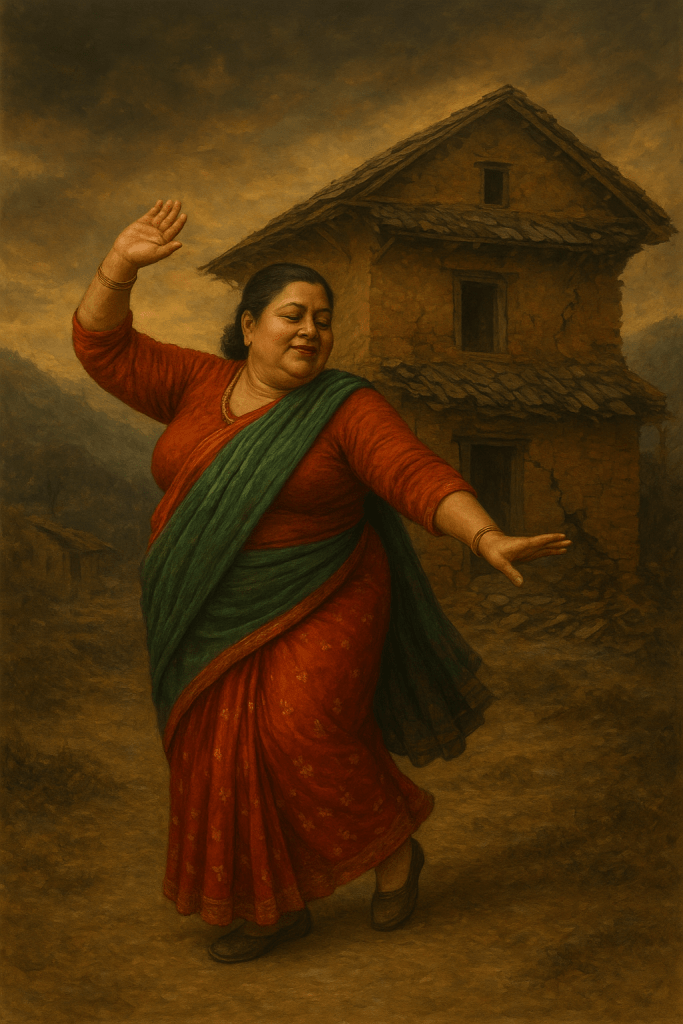
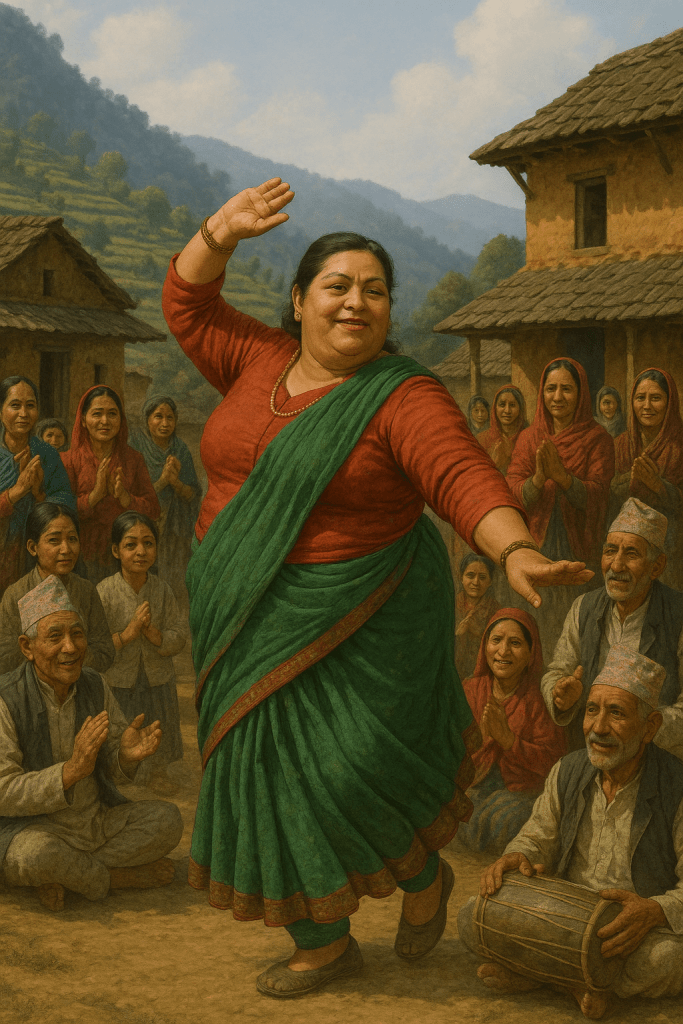
The village of Vedanpur had finally understood what was really happening, but the truth was hard to swallow. The spectacle was over. The audience had dispersed. Chamsuri was left standing on a stage of her own making, the boards now rotten beneath her feet. Her dance, once a triumphant performance of dominance, had become a desperate, shuffling routine to maintain the illusion.
The “reckoning” was not a single, dramatic event, but a slow, inexorable erosion. The Brahmin patriarch and the Magar matriarch, the twin pillars of Chamsuri’s power, were now gone. Their passing left a void not of grief, but of unchecked accountability. With them died the last vestiges of unquestioned authority that had shielded her.
The Unforgivable Blow from Dile’s First Write Up
The final, unforgivable blow came not from a village gossip, but from the written word. Dile, from his life in Kathmandu, published a poignant account of his life. A heart-wrenching narrative of a son’s longing for a love and recognition that was always withheld. A stark detailing of the systemic injustice that favoured one branch of the family over the other.
The essay was a seismic shock. In Vedanpur, photocopies were passed from hand to calloused hand. The villagers, who had once whispered, now read the unvarnished truth in black and white.
Chamsuri and Nakkale were shaken to their core. The carefully constructed narrative of their superiority was collapsing faster than the old house. In a fit of insane rage, Chamsuri did the unthinkable. She went onto the Nepal Touch website where the essay was published and wrote a furious comment, wishing for Dile’s death. “He has spat on our family’s honor!” she shrieked, her digital vitriol a permanent testament to her fury. “May he perish for this betrayal!” She then furiously called Nakkale’s uncles’ daughters, both in Nepal and abroad, repeating her venomous wishes. This was her pattern. She had always boasted of her wealth, a fortune built on the sacrifice of Putali and Dile, and took a perverse happiness in every struggle and sorrow they endured. Now, exposed, her happiness curdled into public, crazed hatred.
The House on Shaky Ground
With the patriarch and matriarch gone, the full, unvarnished truth of the inheritance was laid bare. Dile, true to a lifetime of principled silence, had never set foot in Vedanpur to claim a single inch of land. He wanted nothing from the father who had given him nothing. Not love, not security, not a shred of paternal duty. The entire estate, including everything the patriarch had earned in Mumbai (money that was rightfully part of the paternal wealth to be shared between both sons), was now firmly in the grasp of Nakkale and Chamsuri.
This should have been their ultimate victory. Instead, it became their prison.
There was one final, symbolic piece of the “paternal property”: the old, dilapidated house and the small, rocky plot that the patriarch had originally allocated to his first wife. It was the site of Putali’s suffering, a place of painful memories for Dile, and a crumbling eyesore for Chamsuri.
A cruel irony began to gnaw at them. To finally silence the villagers and perhaps their own stirring consciences, they wanted nothing more than for Dile to come to the village, formally register this worthless plot in his name, and absolve them of it. They believed that if Dile accepted this neglected property, they could finally boast that they had, after all, “handed over” his share. It was the ultimate act of rewriting history, and his refusal shattered the possibility.
The Second Exposure
Chamsuri’s public comment and venomous phone calls were the final straw for Dile. Her hatred, now documented for all to see, pushed him to write again. This time, he did not write a sorrowful letter, but a devastating chronicle. He published “Dance Chamsuri, Dance,” laying bare the entire village drama. The manipulation by Jhumri. The tyranny of Chamsuri. The weakness of Nakkale. The cabal of villagers like Chankhe who fueled the flames. The story of the naming ceremony, the unjust land division, the stolen earnings from Muglan. It was all there, laid bare with a dignity that made their past complicity feel shameful. For a lifetime, Putali had tried to express her hardships to the villagers. They would listen with feigned sympathy, only to rush to Chamsuri’s in-laws, exaggerating her words and painting Putali as a bad-mouthed, ungrateful woman. Now, Dile’s words forced them to finally reckon with the sorrows they had helped perpetuate.
This second exposure shook the couple’s foundation to dust. The essay was a mirror held up to their lives, and the reflection was monstrous. Now, their misdeeds were not just implied. They were named, detailed, and immortalized. Every word Dile published thereafter, on any topic, sent them into a fresh spiral of paranoia. They became convinced that every new essay, every social media post, was another coded expose, another chapter dedicated to unveiling their lifelong sins to the world. This constant fear festered into a genuine mental affliction, a shared psychosis where they saw their own condemnation in every line Dile wrote.
The Psychological Cage
Now, the old house became more than just a building. It became a monument to their bad karma, a physical representation of the suppression and oppression “Dance Chamsuri, Dance” had revealed. Every monsoon, they heard reports from their loyal spies, Indre and Burche: “The roof sags more,” “The wall has a new crack,” “It will not survive the next storm.”
The house’s impending collapse became an obsession. Chamsuri, who once boasted of building empires, now spent her nights agonizing over a collapsing mud-and-tile roof. Nakkale, who had never questioned where the money came from, now lay awake, paralyzed by a new, terrifying fear.
“They will blame us if it falls,” Nakkale would mutter, his face pale. “They will say we neglected it on purpose, that we couldn’t even preserve the one thing that was rightfully his. It will be the final proof of everything he wrote.”
“Let them talk!” Chamsuri would retort, but her voice was now a hysterical whisper. “We are not building him a new house! Why should we? He got nothing in his life, he gets nothing now!”
But her defiance was a mask for a more calculated fear. The truth was, they desperately needed the house to stand. Its continued existence, however fragile, was their only evidence. They could point to it and tell the villagers, “See? We have offered it to him. It is there for him. He is the one who is too proud, too ungrateful to accept it.” The crumbling house was their shield against the court of public opinion. If it fell, that shield would vanish, and they would be exposed as the people who had not just stolen an inheritance, but had callously let the last symbolic shred of it turn to dust.
So Chamsuri and Nakkale were trapped. Letting the house collapse would make them the undeniable villains. Saving it meant financially acknowledging a debt they refused to pay. The house had to stand, but it could not cost them a thing. It was an impossible equation that churned in their minds day and night, a perfect, maddening circle of anxiety born from their own poisoned legacy.
बेदानपुर गाउँ अहिले जागेको छ।तर गाउँलेहरूलाई सत्य निल्न धेरै गाह्रो भएको छ। नाटक सकियो, दर्शकहरू छरिए, र चम्सुरी आफ्नै सिर्जनाको मञ्चमा एक्ली उभिएकी छिन्। जहिले गर्व र जितको प्रतीक बनेको उनको नाच अहिले केवल नाटकको औपचारिकता बनेको छ—अभिनय जसले एउटा पुरानो भ्रमलाई मात्र जोगाइराखेको छ।
तर यो “निर्णयको समय” कुनै एक क्षणिक घटना होइन। यो बिस्तारै भएको पतन हो—एक प्रकारको क्षय जसले समयसँगै सबै शक्ति र प्रभुत्व बिसर्जन गरायो। चम्सुरीको संसारका दुई स्तम्भ— ब्राह्मण कुलपिता र मगर्नीमाता —अब छैनन्। तिनीहरू गएसँगै उनको रक्षा गर्ने अन्तिम पर्खाल पनि ढल्यो। अब न त अनियन्त्रित आत्मविश्वास बाँकी रह्यो, न त उत्तरदायित्वबाट भाग्ने ठाउँ।
अक्षम्य सत्य — दिलेको त्यो लेख
अन्ततः सबैभन्दा ठूलो चोट गाउँको हल्लाबाट होइन, एउटा शब्दबाट आयो। दिलेले आफ्नो जीवनका पीडाहरू लेखमार्फत सार्वजनिक गर्यो। त्यो लेख एउटा छोराको कथा थियो—जसले जीवनभर बुबाबाट प्रेम र मान्यता खोजिरह्यो, तर कहिल्यै पाएको थिएन। त्यो लेखले पारिवारिक अन्याय र असमानताको तीव्र चित्रण गर्यो—जहाँ एक शाखालाई सदैव प्राथमिकता दिइन्थ्यो र अर्को शाखालाई उपेक्षा र अपमानमात्रै।
त्यो लेख बेदानपुरमा भूकम्पसरह फैलियो। फोटोकपीहरू गाउँका हरेक हातमा पुगे, हरेकले पढे। जसले पहिले चुपचाप सुनेर अरूलाई गलत कथा सुनाउँथे, अहिले उनीहरूकै आँखामा कालो-सेतोमा लेखिएको नग्न सत्य परिरहेको थियो।
चम्सुरी र नक्कलेको संसार हल्लियो। वर्षौंसम्म ध्यानपूर्वक बनाएको “श्रेष्ठताको” कथा एकैछिनमा भत्कन थाल्यो। र त्यस क्षण चम्सुरी पागलझैँ व्यवहार गर्न थाली। उनी सीधै अखबारको वेबसाइटमा पुगिन्, जहाँ त्यो लेख प्रकाशित भएको थियो, र क्रोधले भरिएको टिप्पणी लेखिन्। “उसले हाम्रो परिवारको इज्जतमा थुक्यो!” उनले लेखिन्। “त्यो विश्वासघातको सजाय उसलाई मृत्यु होस्!” त्यो टिप्पणी सधैंका लागि उनको क्रोधको डिजिटल प्रमाण बन्यो। त्यसपछि उनले नेपाल र विदेशमा रहेका नक्कलेका काकाका छोरीहरू साथै आफ्ना शुभचिन्तकहरू लाई फोन गरिरही, बारम्बार आफ्नै शब्द दोहोर्याउँदै।
चम्सुरीको गर्व सधैं पुतली र उनको छोरा दिलेले भोगेका पीडामा पलाएको थियो। पुतली र दिलेले भोगेका संघर्षमा चम्सुरीले आनन्द पाउँथी—त्यो नै उसको शक्ति थियो। उनको मुख्य चिन्ता भनेको आफ्ना शुभचिन्तकहरूलाई फोन कल मार्फत पुष्टि गर्नु थियो कि उनीहरूले चम्सुरी र नक्कलेले भन्दा राम्रो गरिरहेका छैनन्। तर अहिले सत्यले उसको मुखौटा फुकालिसकेको थियो। त्यो गर्व अब पागलपन र सार्वजनिक घृणामा परिणत भयो।
ढल्दै गरेको घर
ब्राह्मण कुलपिता र मगर्नी माता को मृत्यु पछि, सम्पत्तिको वास्तविकता सबैको सामु खुलेर आयो। दिले, जसले जीवनभर आफ्नो मौन इमानदारी जोगाएको थियो, कहिल्यै बेदानपुर फर्किएन। उसले बुबाबाट केही चाहेन—न माया, न सुरक्षाको आश्वासन, न त एक इंच जग्गा। उसले बुझिसकेको थियो कि उसलाई थाहा थियो कि उसको बुबाले उसलाई केही दिने छैनन्। त्यसैले अहिले पनि उसले केही माग्ने औचित्य देखेन। यसैबीच, मुगलान मा कमाएर ल्याएको बुबाको सम्पूर्ण कमाइ—जुन मूलतः दुवै छोराबीच बराबर बाँडिनुपर्ने थियो—अब नक्कले र चम्सुरीको नियन्त्रणमा थियो।
यो उनीहरूको अन्तिम विजय हुनुपर्ने थियो, तर अन्ततः त्यो उनीहरूको कारागार बन्यो। सम्पत्तिको एउटा सानो, प्रतीकात्मक अंश बाँकी थियो—पुरानो जीर्ण घर र त्यहीँ छेउको ढुंगामाटो जमिन, त्यो पनि उसको हजुरबुबाले उसको बुबालाई दिएको। यही घरमा पुतलीले दुःखका वर्षहरू बिताएकी थिई; यही ठाउँ दिलेका लागि पीडाको स्मृति थियो, र चम्सुरी का लागि त आँखासामु देखिने घाउसरह असह्य।
तर अब विडम्बना यस्तो भयो कि गाउँको कुरा रोक्न र सायद आफ्नै विवेकलाई चुप पार्न, चम्सुरी र नक्कले चाहन्थे कि दिले गाउँ फर्कियोस्, त्यो सानो घर र जमिन आफ्नै नाममा दर्ता गराओस्, र उनीहरूले त्यसबाट “मुक्ति” पाऊन्। उनीहरूलाई लाग्थ्यो—यदि दिले ले त्यो सम्पत्ति स्वीकार गर्यो भने, उनीहरूले गाउँका अगाडि भन्न सक्थे, “हेर, हामीले त उसको भाग दिएका छौँ।” यो इतिहासलाई पुनःलेखन गर्ने अन्तिम प्रयास हुन्थ्यो। तर दिलेले अस्वीकार गर्यो, र त्यस अस्वीकारले उनीहरूको नाटक पूर्ण रूपमा भत्काइदियो।
दिलेको दोस्रो लेखन- नाच चम्सुरी, नाच
चम्सुरीले वेबसाइटमा लेखेको त्यो विषिलो टिप्पणी र देश-विदेशमा गरेकी ती क्रोधित फोन कलहरू दिलेका लागि अन्तिम सीमा बने। अब घृणा मात्र मौखिक थिएन, सार्वजनिक रूपमा दर्ता भइसकेको थियो। यसपछिका दिनमा दिलेले फेरि लेख्ने निर्णय गर्यो—तर यसपटक उसको लेख दुःखको निवेदन थिएन, सत्यको प्रहार थियो। उसले लेखको शीर्षक राख्यो—“नाच चम्सुरी, नाच।” त्यो लेखमा उसले सारा गाउँको नाटक खोलिदियो—झुम्रीको चलखेल, चम्सुरीको अत्याचार, नक्कलेको कमजोरी, र चङ्खे जस्ता गाउँलेहरूको मौन समर्थन। नामकरणको कथा, जग्गा बाँडफाँडको अन्याय—सबै कुरा लेखमा थियो। तर त्यो आरोप होइन, शालीन ढङ्गमा लेखिएको आत्मकथा थियो—त्यो शालीनताले नै गाउँलेहरूको सहमतिको मौनतालाई लज्जित बनायो।
यो दोस्रो लेखले चम्सुरी र नक्कलेको जग पुरै हल्लाइदियो। लेखले उनीहरूलाई एउटा ऐना देखायो, र त्यो ऐनामा उनीहरूले देखे आफ्नै कुरूप प्रतिबिम्ब। अब उनीहरूको कुकर्म केवल आरोपको रूपमा होइन, नाम र विवरणसहित उजागर भइसकेको थियो।
वर्षौंसम्म पुतली गाउँलाई आफ्नो दुःख सुनाउने प्रयास गर्थी। गाउँलेहरू सुनेजस्तो गर्थे तर पछि चम्सुरीको घर पुगेर उसका शब्दहरूलाई तोडमोड गर्थे, र उसलाई “बदजुबान, अकृतज्ञ” ठहराउँथे। तर अहिले दिलेले लेखेको सत्यले सबैको मौनतालाई चर्को रूपमा तोडिदियो। गाउँलेहरूलाई महसुस भयो—उनीहरू पनि अन्यायको साझेदार थिए।
दिलेले त्यसपछि जुनसुकै विषयमा लेखे पनि, चम्सुरी र नक्कलेमा आतंक फैलिन्थ्यो। हरेक नयाँ लेख, हरेक पोस्ट उनीहरूलाई अर्को आरोपजस्तो लाग्थ्यो—मानौँ प्रत्येक वाक्य उनीहरूकै जीवनका पापहरू उद्घाटन गर्न लेखिएको हो। यस्तो डर विस्तारै उनीहरूको मानसिक रोगमा परिणत भयो—साझा पागलपन, जहाँ हरेक अक्षरमा उनीहरूले आफ्नै निन्दा देख्थे।
मानसिक पिँजरा
अब त्यो पुरानो घर केवल माटो र ढुङ्गाको संरचना रहेन; त्यो चम्सुरी र नक्कलेको कर्मको स्मारक बन्यो—त्यो दुष्कर्म र अत्याचारको प्रतीक, जसलाई “नाच चम्सुरी, नाच” ले संसारमाझ उघारिदिएको थियो। हरेक वर्षको मनसुनमा, उनका भरपर्दा चम्चा— चङ्खे, बुर्चे, इन्द्रे, लछुमा, र दाबरे —बाट खबर आउँथ्यो: “छानो झनै झुकेको छ,” “भित्तामा नयाँ चिरा परेको छ,” “यो वर्ष बाँच्दैन” र यस्तै यस्तै!
यो घरको सम्भावित पतन उनीहरूको मनमा डरको एउटा स्थायी गुञ्जन बन्यो। चम्सुरी, जसले कहिल्यै आफूलाई हार्न नसक्ने ठान्थी, अब रातभर आँखा नलगाई त्यो घरको छानालाई सम्झँदै कराउँथी। नक्कले, जसले जीवनभर पैसाको स्रोत नसोची त्यसको मजा लिएको थियो, अब सुत्न सक्दैनथ्यो—एक नयाँ, भयावह डरले उसको मुटु चिसो बनाइदिएको थियो। “यदि यो घर भत्कियो भने, सबैले हामीलाई दोष दिनेछन्,” ऊ बर्बराउँथ्यो, उसको स्वर काँप्थ्यो अनि फेरि ऊ भन्थ्यो “सबै भन्नेछन्—हामीले जानाजानी बिगार्यौं, उसलाई उसको हकबाट वञ्चित गर्यौं। यही त प्रमाण हुनेछ, जसको बारेमा दिलेले लेखेको थियो।”
चम्सुरी झर्किएकी जस्तो देखिन्थी, तर उनको स्वर पनि अब फुस्रो र थरथराउँदो हुन्थ्यो। “गफ गर्न देऊ! हामीले उसको लागि नयाँ घर किन बनाउनुपर्यो? उसले कहिल्यै केही पाएन, अब पनि नपाओस्।” तर उनको यो कठोरता अब केवल आवरण थियो। मनको गहिराइमा, उनीहरूलाई थाहा थियो—उनीहरूले त्यो घरलाई बचाउनैपर्छ। त्यो घर उस्तै उभिएको रहनु नै उनीहरूको प्रमाण थियो। गाउँका अगाडि उनीहरूले अझै भन्न सक्थे, “हेर, हामीले त उसको भाग राखिदिएका छौँ, उसले नै लिन मानेको छैन।” त्यो भत्कँदो घर नै उनीहरूको ढाल बनेको थियो।
यदि त्यो ढलेर माटोमा मिल्यो भने, उनीहरूको झूटा कथा पनि ढल्नेछ। तब गाउँलेहरूले बुझ्नेछन्—उनीहरूले न केवल सम्पत्ति चोरे, तर त्यसको अन्तिम प्रतीकलाई पनि नष्ट हुन दिए। त्यसपछि उनीहरूमाथि कुनै बहाना बाँकी रहने छैन। उनीहरूका दृष्टिमा त्यो दोषको स्वीकारोक्ति हुन्थ्यो—जस्तो आफ्ना पापहरूलाई खुलेआम स्वीकार गर्नु।
यसरी चम्सुरी र नक्कले फँसे—एक यस्तो समीकरणमा जसको समाधान थिएन। यदि घर भत्कियो भने उनीहरू खलनायक ठहरिने थिए। यदि बचाए भने उनीहरूले आफ्नै अपराधको आर्थिक स्वीकारोक्ति गर्ने थिए। त्यसैले, घर उस्तै उभिनुपर्थ्यो! यो असम्भव दुविधा उनीहरूको दिनरातको सतावट बन्यो। उनीहरूको सोच, उनीहरूको निद्रा, र उनीहरूको अन्तिम शान्ति—सबै त्यो घरको ढल्दै गरेको पर्खालसँगै बिस्तारै खस्यो।
त्यो घर अब केवल माटो र ढुङ्गाले बनेको थिएन—त्यो चम्सुरी र नक्कलेको विवेकको पिँजरा बनिसकेको थियो, जहाँ उनीहरू आफ्नै कर्मको भूतसँग कैद भएर बाँचेका थिए।
(कृपया ध्यान दिनुहोस् कि यो एक काल्पनिक कथा हो र यदि यो तपाईंको वा तपाईंले चिनेको कसैको जीवनसँग मेल खाएमा, यो एक संयोग मात्र हुनेछ।)
I’ve been thinking a lot about Shohei Ohtani lately. Not just his phenomenal talent or his World Series triumph. What hit me was that incident at a Blue Jays-Dodgers game in Toronto when fans yelled at him to “go back to your country.” Here’s a man who has captivated baseball with his once-in-a-generation ability, who has brought unprecedented attention to the sport, who plays by every rule—and yet, in that moment, none of it mattered. To those fans, he was simply “other.”
The hatred didn’t stop at the stands. When the Dodgers won the title, the Blue Jays coach made numerous accusations against Ohtani. First, he claimed Ohtani used advanced gear to gain an unfair advantage. Then, when the Blue Jays were defeated, the coach went even further, suggesting that Ohtani must have taken performance-enhancement drugs and demanding that authorities test him. Even Blue Jays player Vladimir Guerrero Jr. explicitly stated, “I do not like Ohtani because he is Japanese.” Not because of his playing style, not because of any on-field rivalry—simply because of his ethnicity.
It made me think about a parking lot.
The Incident at Mississauga Smart Center
Last weekend, my family and I visited the new Costco Business Center at Mississauga Smart Center. Like most weekend visits to Costco, parking was a challenge. We finally found a space between two cars, reasonably far from the entrance. My wife and son rushed out as soon as I parked and headed toward the store.
I was still in the car when I heard a door open—not a window rolling down, but the forceful swing of a car door. The woman in the vehicle to my left had stepped partially out and was yelling at me. The f-word featured prominently. Her complaint: I hadn’t brought the space for her or for her door to open properly.
I checked my parking. I was centered in the space—equal distance on both sides. I wasn’t over the line. I had parked correctly. This seemed to make her angrier. Perhaps she hadn’t expected me to speak back. Perhaps she expected compliance, acceptance, silence.
I didn’t want to escalate. I walked away, trying to catch up with my wife and son. But I didn’t enter the store with them. Instead, I stayed outside in the parking lot, thinking.
The Luxury of Not Noticing
I am one of the lucky few who has been a professor in a prominently white university. Perhaps because I was part of that organization, I never experienced that explicit hate as I did in the parking lot. The institutional setting, the professional role, the shared academic identity—all of these may have created a buffer that ordinary spaces do not provide.
The woman didn’t just criticize my parking. There was something else in her tone, in her assumption that she could berate me in that space, in that moment. Would she have opened her car door and shouted at someone who looked different? Would the same fury have erupted at a different face?
I can’t know for certain. But I’ve lived long enough to recognize the pattern. It’s the same pattern that allows Blue Jays fans to tell Ohtani to “go back to your country,” even as they sit in stadiums built by immigrants, eating food prepared by immigrants, watching a game filled with international players. It’s the same pattern that allows coaches and players to make baseless accusations and openly discriminatory statements against one of the game’s greatest talents.
The Spaces We Occupy
There’s a particular kind of vulnerability that comes with occupying public space as a visible minority. Parking lots, grocery stores, sidewalks—these everyday spaces become testing grounds. The rules change depending on who you are and who’s watching.
Ohtani has earned every accolade through extraordinary talent and work ethic. He is rewriting the record books. And still, in that Toronto stadium, and in the accusations from the Blue Jays coach and players, his belonging was questioned, his achievements diminished by the simple fact of his Japanese heritage.
I parked correctly in that Mississauga parking lot. I followed every rule. And still, I was made to feel like an intruder in a public space, as if my presence itself was the violation.
A Glimmer of Hope
Yet there are signs of change. Immigrants and people from different backgrounds have been proving themselves and claiming space for a long time—in local councils, state legislatures, and various positions of leadership. But recently, Zohran Mamdani’s victory as New York City Mayor marks a particularly significant milestone.
Despite the fact that so many of them tried their best to stop him, Mamdani ultimately prevailed. A Democrat and democratic socialist aligned with figures like Bernie Sanders and Alexandria Ocasio-Cortez, Mamdani faced opposition not only for his progressive politics but also for his background. His identities were weaponized against him during the campaign. Yet he won the mayoral post of one of the world’s most influential cities.
Mamdani’s victory is a powerful sign that immigrants and people from different backgrounds are not just getting noticed but are being entrusted with leadership at the highest levels. These victories matter—not just as political wins, but as evidence that belonging can be claimed, that spaces can be transformed, that the rules are slowly, painfully, beginning to include more of us.
What We Carry Forward
I returned to the store after a while, found my family, and we completed our shopping. We drove home. The incident was over, but the feeling it left behind lingered.
These moments accumulate. They’re rarely dramatic enough to report or record. They don’t make headlines. But they shape how we move through the world, how much energy we expend just existing in spaces that others navigate without a second thought.
Shohei Ohtani will continue to play baseball at the highest level. He will continue to break barriers and records. And I will continue to park correctly, shop for groceries, and live my life. But both of us—and millions of others—will do so knowing that our presence in these spaces is perpetually conditional, perpetually subject to challenge, even when we follow every rule.
The parking lot is not just a parking lot. The stadium is not just a stadium. They are reminders that belonging is not something we achieve once and for all. It is something we must negotiate, again and again, in the everyday encounters that others take for granted.
वेदानपुर गाउँ सधैं नाटकको मञ्च थियो, तर कसैले पनि चम्सुरीको शक्तिमा उदयको नाटकमा प्रतिस्पर्धा गर्न सकेन। कथा चम्सुरीबाट सुरु हुँदैन, तर त्यो माटोबाट सुरु हुन्छ जसमा उनी हुर्किइन्—एउटा गाउँ जहाँ वफादारी उनको सासूको घरेलु रक्सी जत्तिकै तरल थियो, र जहाँ सुविधाजनक झूटको भारमा सत्य सजिलै मोडिन्थ्यो।
चम्सुरीले केन्द्रिय भूमिका लिनुअघि नै कलाकारहरू जम्मा भइसकेका थिए। पहिलो नम्बरमा ब्राह्मण कुलपिता, मगर्नी माता, र नक्कले थिए: तनावको त्रिकोण। ब्राह्मण कुलपिताले मगर्नी माता लाई आफ्ना आमाबाबुले वैदिक विधि र सामाजिक परम्परा दुवै अनुसार पुतलीसँग विवाह गर्न बाध्य पार्नुभन्दा ठीक अघि गर्भवती बनाएका थिए। पुतली—लामो समयदेखि पीडित पहिलो पत्नी—यस नाटकको अपरिहार्य दुखियारी नायिका बनिन्। पर्दा पछाडिबाट मौनतापूर्वक हेर्दै थियो दिले, उनको छोरा, जो एक दिन यो तितो मञ्च अन्ततः अँध्यारो हुँदा एक्लो अन्तिम दर्शक!। तर घटनाहरू नियन्त्रणको वास्तविक संयन्त्र चम्सुरीका ससुरा, कुलपिता, र उनकी सासू, मगर्नी माता को हातमा थियो। उनीहरूको शक्ति समर्पित सिपाहीहरू चङ्खे, बुर्चे, इन्द्रे, लछुमा, तिलारपाटे र दाबरे मार्फत प्रवाहित हुन्थ्यो! वास्तवमा ती सबै समर्पित सिपाहीहरू चङ्खे, गाउँका मीठो बोली भएका कठपुतली खेलाडी जसको वफादारी सबैभन्दा ठूलो फाइदातिर ढल्किन्थ्यो, को वरिपरि घुम्थे! र चङ्खेको छेउमा, सधैं फुसफुसाउँदै उनकी पत्नीले विषालु गफहरूलाई धार्मिक भेटी जस्तै बाँड्थिन्।
पहिलो पाप: विभाजित घर
वेदानपुर गाउँको नाटकको जग जमिन र स्थिर जागिर थियो—चाहे देशमा होस् वा मुगलान—ग्रामीण नेपालमा यो परम मुद्रा थियो। ब्राह्मण कुलपिता, एक व्यक्ति जसको नैतिक धरातल मगर्नी माताको आकर्षणले चकनाचुर भएको थियो, उनले अक्षम्य विश्वासघात गरे: उनले धोका दिनेहरूलाई अथाह विश्वास र प्रेम दिए, जबकि जसले उनलाई आफ्नो सम्पूर्ण संसार मानेका थिए, उनीहरूलाई अस्वीकार गरे। उनले आफ्नो सम्पत्ति अन्यायपूर्ण रूपमा बाँडे र आफूमा निर्भर भएकाहरूको लागि सबै जिम्मेवारीबाट पन्छिए।
जब ब्राह्मण कुलपिताले आफ्ना दाजुभाइबाट अलग्गिएर बुबाको सम्पत्ति बाँडे, उनले मुख्य जग्गा र घर आफ्नी प्रिय मगर्नी पत्नीलाई दिए, पहिलो पत्नी र उनका छोराछोरीका लागि भिरालो, चट्टानी जग्गा मात्र छोडे। यद्यपि उनले मुगलानमा काम गरेर कमाएको बारेमा घमण्ड गरे, आफ्नो बुबाबाट प्राप्त गरेको सम्पत्ति बाली उब्जाउन र गाईवस्तु चराउन पर्याप्त नभए पनि उसले त्यसमा थप जग्गा जसले पुतलीको परिवारलाई बालीनाली र गाईवस्तुका लागि चरन प्रदान गर्न सक्थ्यो। जसले गर्दा उनीहरू निरन्तर कठिनाइमा परे। ब्राह्मण पिताको तलबबाट केही रकम दिने कुरा, यद्यपि त्यो रकम थोरै थियो, अकल्पनीय थियो। ब्राह्मण पिताको यी सबै गतिविधिहरूको कारणले गर्दा दिले एक्लै काम र पढाइलाई सन्तुलनमा राख्न बाध्य भयो जबसम्म उसले अन्ततः स्नातकोत्तरको डिग्री पूरा गरेन। पछि, जब ब्राह्मण कुलपिता र मगर्नी माताले जग्गा किने, उनीहरूले झूटो दाबी गरे कि यो मगर्नी माताको स्थानीय रक्सी व्यवसायबाट आएको पैसाले किनिएको हो। चम्सुरीले वर्षौं पछि यही धोका दोहोर्याइन् जब उनले गोप्य रूपमा उनीहरूले भाडामा लिएको घर किनिन्—उनका ससुराको पैसाले वित्त पोषित तर उनको र उनका पतिको आफ्नै उपलब्धि भनेर लुकाइयो। यो योजनाबद्ध धोकाको ढाँचा उनीहरूको विरासत बन्यो, चम्सुरी र उनकी सासूले दिले, उनकी आमा र बहिनीलाई हरेक पाइलामा व्यवस्थित रूपमा ठगे।
“तिम्रो बुबा सधैं आफ्नी पहिलो पत्नी र उनका छोराछोरीप्रति अन्यायपूर्ण थिए,” चङ्खेले दिलेलाई फुसफुसाउँथे, उनको स्वर चिन्ताले भरिएको जस्तो लाग्थ्यो तर उनका आँखा षड्यन्त्रले चम्किरहेका हुन्थे। दिलेलाई थाहा थियो कि उनी के गर्दैछन्—गुनासोहरू खोज्दै थिए जसलाई उनले मगर्नी माताको घरमा आफ्नो भक्तिको प्रमाणको रूपमा मोडेर बेच्न सक्थे।
पुतलीको हरेक पीडा, दिलेको हरेक नबोलेको शब्द, चङ्खेले त्यसलाई काण्डमा परिणत गरिदिन्थ्यो। “के हजुरले सुन्नु भन्यो? पुतलीले भनिन् कि हजुरले आफ्नो पतिलाई आफू र आफ्ना छोराछोरीप्रति लम्पसार पार्न तन्त्रमन्त्र गर्नुभयो!” उनले मगर्नी मातालाई हाँस्दै भन्ने गर्थे, यो थाहा हुँदाहुँदै कि यसले उहाको रिसलाई भड्काउनेछ। अनि, एक अनुभवी कठपुतली खेलाडी जस्तै, उनी पछाडि बस्थे र त्यसपछिको अराजकता हेर्थे, आफ्नो इनाम सङ्कलन गर्थे—एक बोतल घरेलु रक्सी, एक कप चिया, अनि केही बाँकी रहेको खाना, वा केवल वेदानपुरको सबैभन्दा अपरिहार्य गफ दलाल भएको सन्तुष्टि।
चम्कली पनि कम थिइनन्। उनी माइती आउँदा चम्सुरीको परिवारको लागि कर्तव्यनिष्ठ सेविकाको भूमिका खेल्थिन्। दिलेलाई अझै याद छ कसरी चम्कालीले पुतलीको पीडालाई तमाशामा परिणत गरिदिन्थिन्। जब दिले कलेजको हिउँदे बिदामा घर आएको बेला पुतली बिरामी परिन्, चम्कली घण्टौंसम्म उनको ओछ्यान छेउमा बसिन्, सहानुभूतिपूर्वक टाउको हल्लाउँदै जब पुतलीले आफ्ना दुःख पोखिन्। आधा घण्टा नबित्दै, उनी मगर्नी माताको ढोकामा पुगिन, ती निजी विलापहरूलाई कृतघ्नता र षड्यन्त्रका कथाहरूमा परिणत गर्दै।
कुलपिता, आफ्नी दोस्रो पत्नीका “महान् संरक्षक”, क्रोधले आँखा रातो पार्दै पुतलीको कोठामा हुरीझैँ पस्थे। “तेरो हैसियतभन्दा ठूलाको बारेमा नराम्रो कुरा गर्ने तेरो हिम्मत कसरी भयो?” उनी गर्जन्थे, जबकि उनको पछाडि मगर्नी माताको आँखामा सन्तुष्टिको चमक देखिन्थ्यो।
झुम्रीको प्रवेश: माहिर रणनीतिकार
त्यसपछि आउँछिन् झुम्री—चम्सुरीकी आमा जो चम्सुरीको उदयको लागि वास्तविक योजनाकार। झुम्रीले नक्कलेको परिवारलाई शिकारीको तीखो आँखाले नियालेकी थिइन्, तिनीहरूको जग्गा, तिनीहरूको धन, र सबैभन्दा महत्त्वपूर्ण कुरा, तिनीहरूको सोझा छोरा जसले वास्तविक स्नेह र योजनाबद्ध चापलूसी बीच भेद गर्न सक्दैनथे, याद गरेकी थिइन्। गाउँलेले पछि “महान् ट्युसन जाल” भनेको कुरा सैन्य परिष्करण साथ खुलासा भयो। झुम्रीले पहिले विनम्रतापूर्वक अनुरोध गरिन्: “नक्कले, मेरी चम्सुरीलाई पढाइमा गाह्रो भइरहेको छ। के तिमी उसलाई ट्युसन दिन सक्छौ?” त्यसपछि रणनीतिक सेटिंग—उनीहरूको मधुरो उज्यालो भएको पछिल्लो कोठामा साँझको सत्र जहाँ चम्सुरी, आफ्नी आमाबाट राम्रोसँग प्रशिक्षित भएकीले, नक्कले असहज रूपमा नजिक नबसेसम्म आधारभूत गणित पनि बुझ्न नसक्ने रहस्यमय असक्षमता विकास गरिन्।
जब नक्कले र चम्सुरीको बढ्दो निकटतामा स्वाभाविक रूपमा गाउँलेहरुले प्रश्न उठाए, झुम्रीले आफ्नो अन्तिम हतियार- बिग्रेको प्रतिष्ठा र पारिवारिक इज्जतको बारेमा आँसु झार्दै भनिन्: “गाउँलेहरूले के भन्लान्?” आफूले नै हरेक सम्झौतापूर्ण परिस्थिति खडा गरेको कुरालाई बेवास्ता गर्दै उनी विलाप गर्थिन्,। अन्ततः नक्कलेलाई ढिलो चाँडो चामसुरीसँग विवाह गर्न बाध्य पारियो। नक्कले, पर्याप्त धनको उत्तराधिकारी, आफू फसेको कुरा धेरै ढिलो भएपछि मात्र थाहा पाए।
विवाहले चम्सुरीलाई षड्यन्त्रकारी केटीबाट गाउँकी नक्कली महारानीमा परिणत गर्यो। उनी आफ्नो नयाँ घरमा दुलहीको रूपमा होइन तर विजेताको रूपमा आइन् र तुरुन्तै पारिवारिक इतिहास पुनर्लेखन गर्न थालिन्। वेदानपुरको हरेक भ्रमण विजय जुलुस बन्थ्यो, जहाँ चम्सुरी सस्तो रेशममा सजिएर आफ्नो चमत्कारी उदयको बारेमा घुमाउरो भाषण दिन्थिन्।
“कसले सोचेको थियो र,” उनी नाटकीय प्रभावका लागि आफ्नो छाती ठोक्दै हाँस्दै भन्थिन्, “गरिब छिमेकीकी छोरीले एक दिन नक्कलेको परिवारमा सबै कुराको निर्णय गर्छे? जबदेखि मैले नक्कलेसँग विवाह गरे, यस परिवारको भाग्य बदलियो! मभन्दा अघि तिनीहरू कहाँ थिए? अब सबै कुराको निर्णय म गर्छु, म! अब म के भन्छु र के गर्छु भन्ने कुरामा नक्कालेसँग आपत्ति जनाउने कुनै शक्ति छैन।“
चम्सुरी, आफ्ना ससुराको आफ्नै सासूको परिवारप्रति स्पष्ट पक्षपातबाट उत्साहित भएर, आफ्नो उच्च हैसियतको बारेमा अटल अहंकार विकास गरिन्। उनले दिले र उनकी आमा र बहिनीविरुद्धको भेदभावमा आनन्द लिन्थिन्, आफू परिवारको मनपर्ने शाखामा विवाह गरेकीले श्रेष्ठ महसुस गर्थिन्। हरेक अवसरमा—विशेष गरी उनका पतिको काकाहरूका छोरीहरूको विवाहको छलफलको क्रममा—उनी दिले, जो अझै पढ्दै र संघर्ष गरिरहेको थियो, भन्दा “राम्रो” व्यक्तिसँग विवाह गरेकोमा घमण्ड गर्थिन्, उनका निर्दयी तुलनाहरू उनको कथित श्रेष्ठतालाई बलियो बनाउन डिजाइन गरिएको एक अनुष्ठान बनेको थियो।
चङ्खे, बुर्चे, इन्द्रे, लछुमा, तिलारपाटे र दाबरे मगर्नी माताको साम्राज्यका सबै वफादार सिपाहीहरूको नेतृत्वमा गाउँलेहरू ताली बजाउँथे। उनीहरूले बिर्से कि चमसुरीको बुबा मदिरा सेवन गर्ने व्यक्ति थिए र उनले आफ्नो बुबाको सम्पत्ति बर्बाद गरेका थिए। चमसुरीको दुर्भाग्यको बारेमा पहिलेका फुसफुसाहटहरूलाई सुविधाजनक रूपमा बिर्सिए, अब एक कप चिया, एक गिलास रक्सी र केही बचेको खानाको लागि तिनीहरूले आफ्नो इज्जत बेचे!
झुम्रीको उत्कृष्ट चाल: नामकरण समारोहको नाटक
दिलेले झुम्रीका अनगिन्ती आरोपहरू सह्यो जहाँ झुम्रीले उसलाई, उसकी आमा र उसकी बहिनीलाई नकारात्मक रूपमा चित्रित गर्थिन्! तर एउटा घटना सबैभन्दा अलग थियो—जब झुम्रीले दिलेलाई सम्पूर्ण गाउँसामु एक बेवास्ता गर्ने भाइ र देवरको रूपमा प्रस्तुत गरेकी थिइन्!
यो काठमाडौंमा भएको थियो। चम्सुरी आफ्नो दोस्रो बच्चासँग गर्भवती थिइन्, यद्यपि दिले, आफ्नो स्नातकको पढाइ र गुजारा चलाउन शिक्षण कामलाई सन्तुलनमा राख्न व्यस्त भएकाले, उसलाई यो कुरा थाहा पनि थिएन। जब उ अन्ततः भेट्न गयो र उसले बच्चा जन्माएको थाहा पायो, उ एघारौं दिनमा नामकरण संस्कारमा सहभागी भयो!
तर सधैंकि रणनीतिकार झुम्रीको अरू योजनाहरू थिए। झुम्री गाउँ फर्केर, उनले ब्राह्मण कुलपिता (चम्सुरीका ससुरा) लाई झूटको जाल बुनिन्: “दिलेलाई बच्चाको जन्मको वास्ता थिएन! ऊ खुसी थिएन! ऊ नामकरण समारोहमा पनि आएन!” ब्राह्मण कुलपिता जो आफ्नी प्रिय बुहारीको परिवारलाई कहिल्यै प्रश्न नगर्ने व्यक्ति, क्रोधले पागल भए। जब दिले दशैंको लागि गाउँ फर्कियो, वेदानपुरको आधा भाग उसको “निर्दयता” को बारेमा गाइगुई गरीरहेको थियो। शुभचिन्तक गाउँलेहरूले दिलेलाई सोधे “के यो सत्य हो कि तिमी आफ्नो भतिजाको नामकरण समारोहमा गएनौ?”
त्यो बदनामको पीडाले दिलेलाई लामो समयसम्म दुख्यो। झुम्रीले केवल कथालाई मात्र हेरफेर गरेकी थिइनन्—उनले पारिवारिक परम्परालाई नै दिले, उसकी आमा र उसकी बहिनीलाई थप अलग गर्न हतियारको रूपमा प्रयोग गरेकी थिइन् जसलाई गाउँलेको गफ र चम्सुरीका ससुरा (जो दिलेका बुबा पनि थिए) को अन्धो पक्षपातको फाइदा कसरी उठाउने भन्ने धेरै राम्रोसँग थाहा थियो। यो उनको उत्कृष्ट रणनीति थियो र एक अनपढ महिलाले रणनीतिक रूपमा कार्यान्वयन गरिएको बौद्धिक रणनीतिको उदाहरण पनि!
गाउँले दर्शक: मूर्खहरूले मूर्खताको ताली बजाउँदै
दिलेलाई सबैभन्दा बढी चकित पार्ने कुरा चम्सुरी र उनकी सासूको धृष्टता थिएन, तर गाउँलेहरूले उनीहरूको प्रदर्शनलाई कति उत्सुकताका साथ ग्रहण गरे भन्ने थियो। यी त्यही मानिसहरू थिए जसले एक समय ब्राह्मण परिवारमा मगरनी महिलाको उपस्थितिलाई देखेर आफ्नो पवित्र धागो डरले समातेका थिए। अब तिनीहरू उनको ढोकामा भक्त शिष्यहरू जस्तै लाइनमा उभिन्थे, उनको प्रसिद्ध रक्सी, चिया र बचेको खानाको लागि।
“कति उदार!” उनीहरूले उनको भाँडा भर्दा गुनगुनाउँथे। “कति दयालु महिला!” उनीहरूले साना उपहारहरू खल्तीमा हाल्दै प्रशंसा गर्थे।
यही गाउँलेहरूले पुतलीको आँसुलाई गफको रूपमा फर्काएर बेच्थे, हरेक फुसफुसाएको गुनासो मगर्नी माताको उत्सुक कानसम्म पुर्याउँथे। “कस्तो अनुग्रहहीन,” उनीहरू पुतलीको शोकमा नाक खुम्च्याउँथे, किनभने उनीहरू मगर्नी माताले भरेका रक्सीका गिलासहरू खाली गर्न लोभिएका थिए। उनीहरूले भन्थे कि पुतलीको पति महान् व्यक्ति थिए, तर पुतलीको पक्षका कोही पनि—पुतली, दिले र काली—प्रेम वा हेरचाहको योग्य थिएनन्। दिलेले यो कुरा आफ्नै काका, काकी र अन्य गाउँलेहरूबाट आफ्नो सम्पूर्ण जीवनभर सुन्यो। यसले कहिलेकाहीँ उसलाई दुःखी बनाउँथ्यो, तर यस्ता शब्दहरू र आफ्नै परिवार र छिमेकीहरूको घृणित नजरहरू सहनु एक नियति बनेको थियो।
अपमानको प्रबलता
चम्सुरीको चुरिफुरी योजनाबद्ध अपमानले भरिएको थियो। उनी दिलेलाई गिज्याउँदै भन्थिन्, “तँ मेरो घरमा भिखारीजस्तो थिइस्!” आजकल उनी दिलेले जे गर्यो त्यो उनकै कारणले भएकोमा घमण्ड गर्छिन्।
चम्सुरीको चुरिफुरीको कुनै सीमा थिएन। उनले आफ्ना पति नक्कलेको काका, काकी र उनीहरूका छोराछोरीहरूलाई पनि उत्तिकै विषालु बोलीले निरन्तर होच्याउँथिन्। मुश्किलले इन्टरमिडिएट परीक्षा पास गरेकी भए पनि, उनी नेपाली मामिलादेखि विश्व राजनीतिसम्म सबै कुरामा ज्ञाता भएको नाटक गर्थिन्।
आगन्तुकहरूसँग उनको मनपर्ने वाक्यांश आत्म-बढाइको मन्त्र जस्तै थियो: “मैले तिनीहरूलाई खुवाएँ! मैले तिनीहरूलाई लुगा लगाइदिएँ!”—मानौं आधारभूत शिष्टता कुनै ठूलो दान हो। अब, आफूलाई एक स्वघोषित सेयर बजार विशेषज्ञको रूपमा पुन: आविष्कार गरेपछि, उनी सुकुनी, मुकुनी, गोमी र दाउरी जस्ता महिला साथीहरूसँग हिमचिम बढाउँछिन्। उनी पति नक्कलेको एउटा आफन्तको रेस्टुरेन्टहरूमा जमघट गर्छिन्, हरेक भेलालाई नक्कलेको अन्य आफन्तहरूलाई पनि गाली गर्न र अपमानित गर्ने अवसरको रूपमा प्रयोग गर्छिन्।
यसैबीच, झुम्री पर्दा पछाडिबाट हेर्दै थिइन्, कार्टुन खलनायकजस्तो हात रगड्दै। “मेरी छोरीले चिटटा जितिन्,” उनी विश्वासपात्रहरूलाई हाँस्दै भन्थिन्। “धनी पति र यस्तो मूर्ख परिवार जसलाई सजिलै ठग्न सकिन्छ!”
चङ्खे र अन्य गाउँलेहरू, सधैं अवसरवादी, यस अराजकतामा फस्टाए। उनीहरू चम्सुरीको गालीगलौजमा सहमति जनाउँथे, अनि दिलेलाई फुसफुसाउँथे, “यस पटक उनी धेरै अगाडि बढिन्,” मानौं उनीहरूले नै उनको आगोलाई बढावा दिएका थिएनन्। उनीहरूको दुई जिब्रे व्यवहार यति पालिस गरिएको थियो कि मगर्नी माताले पनि, जो रणनीतिमा नौली थिइनन्, उनीहरूलाई चिन्न सकिनन्।
शान्त उदय: दिलेको मौन लगनशीलता
जब चम्सुरीको धोकाको नृत्यले गाउँलाई मोहित पारेको थियो, दिलेले एउटा फरक कथा लेखिरहेको थियो —लचिलोपन र मौन दृढताको कथा। हरेक बिहान बिहानको अँध्यारोमा, जब गाउँ अघिल्लो रातको मेला र रक्सीको नशामा सुतिरहेको हुन्थ्यो, दिले आफ्नो पुस्तकहरूसँग ब्युँझिएको हुन्थ्यो मट्टितेलको बत्तीको उज्यालोमा पढ्दै। गाउँलेहरूले उसलाई त्यागिएकी श्रीमतीको छोराको रूपमा परिभाषित गर्न खोजे, तर दिलेलाई उनीहरूको परिभाषामा सीमित हुन मन लागेन। ती बिहानहरू वर्षौंको लगनशील अध्ययनमा परिणत भए। हरेक अपमान इन्धन बन्यो; हरेक अपमानले उसको संकल्पलाई बलियो बनायो। जब चम्सुरीले उसको गरिबीको खिल्ली उडाइन्, दिलेले क्रोधले होइन तर आफ्नो पुस्तकहरूमा लामो समय दिएर जवाफ दियो। जब गाउँलेहरूले उसलाई कम आँकलन गरे र भने कि उ केही बन्ने छैन, उसले स्कूल र कलेजको परीक्षामा राम्रो अंकले जवाफ दियो। जब चम्सुरी आफ्नो दर्शकहरूको लागि नाचिरहेकी थिइन्, दिलेले आफ्नो भविष्य निर्माण गरिरहेको थियो— एकै समयमा हजारौं परीक्षाहरू दिदै, अनि हजारौं बलिदानहरू गर्दै।
जहाँ अरूले पुतलीको छोरा मात्र देखे, उनका प्राध्यापकहरूले असाधारण स्पष्टता र दृढता भएको दिमाग चिने। छात्रवृत्तिहरू पछ्याए, त्यसपछि राम्रो पदहरू, त्यसपछि हेरफेरबाट होइन तर योग्यताबाट कमाएको सम्मान।
जब दिले स्नातकोत्तरको डिग्री पूरा गरेर गाउँ फर्कियो, केही परिवर्तन भएको थियो। जुन गाउँलेहरूले एक समय उसलाई वास्ता नगरी हेर्थे, अब उनीहरू अनिश्चितताका साथ उसको नजरमा नजर मिलाउँथे। चम्सुरीको रक्सी उत्सुकतापूर्वक स्वीकार गर्ने हातहरू अब उसग हात मिलाउन अगाडि बढे। यो सुरुमा सूक्ष्म थियो—कतै आदरपूर्ण नमस्कार, कतै “दिले सर”—तर यो स्पष्ट थियो। कथाले मोड लिन थालेको थियो।
भाग्यको चक्र घुम्छ
जब दिलेको भाग्य चम्कियो, चम्सुरीको फिक्का हुन थाल्यो। उनीहरूको शक्तिको जग रहेको रक्सीको व्यवसाय घट्दै गयो किनकि युवा गाउँलेहरूले कारखानाको रक्सी रुचाउन थालेका थिए। हेरफेरबाट जम्मा गरिएको जग्गाबाट कम उत्पादन हुन थाल्यो किनकि खेती गर्ने तरिकाहरू परिवर्तन भएका थिए। सबैभन्दा महत्त्वपूर्ण कुरा, जुन दर्शकहरू एक समय तमाशाबाट मोहित भएका थिए, उनीहरूले अब रुचि गुमाउन थालेका थिए।
नक्कले, जसले दशकौंसम्म आफ्नी पत्नी चम्सुरीका घोषणामा सहमति जनाउँदै आएका थिए, उनले घरको आर्थिक अवस्थाबारे प्रश्न गर्न थाले। उनीहरूको बचत जति हुनुपर्ने हो त्यति नभएको पत्ता लागेपछि असहज कुराकानीहरू भए जसबाट चम्सुरी नाचेर उम्किन सकिनन्। पहिलो पटक, जुन ध्यान उनले सावधानीपूर्वक अरूतिर मोडेकी थिइन्, त्यो फेरि उनीतिरै फर्कियो।
यसैबीच, दिले जिल्लाभर चर्चाको विषय बनेको थियो। उसका उपलब्धिहरू अब हल्ला मात्र थिएनन् तर गाउँमा सफलताका कथाहरूको रूपमा रिपोर्ट गरिएका तथ्यहरू थिए।
गाउँ ब्यूँझन्छ: अन्तस्करणको हिसाब
तर सबैभन्दा असाधारण परिवर्तन गाउँलेहरूमा नै भएको थियो। मानौं सामूहिक बेहोसीबाट ब्यूँझिएझैँ, उनीहरूले दशकौंदेखि स्वीकार गरेका कथाहरूको पुनर्मूल्यांकन गर्न थाले। पुतलीको छोरा, जसलाई उनीहरूले बेकार ठानेका थिए, अब आफ्नो गाउँभन्दा बाहिर पनि एक सम्मानित व्यक्ति थियो। जुन परिवारलाई उनीहरूले घृणा गरेका थिए, त्यो हेरफेरको सट्टा इमान्दार कामबाट समृद्ध भएको थियो। प्रश्नहरू असहज भए: के उनीहरू सधैं गलत थिए? के उनीहरू एक गिलास रक्सी र बचेको खानाको लागि अन्यायमा संलग्न थिए?
चङ्खे आफ्नो अपरिहार्य परिवर्तन गर्ने पहिलो व्यक्ति थिए। “मैले दिलेलाई सधैं भनेको थिएँ कि ऊ धेरै अगाडि बढ्नेछ,” उनले सुन्ने जो कोहीलाई घोषणा गरे, दशकौँको विश्वासघातलाई सुविधाजनक रूपमा बिर्सदै। बुर्चे, इन्द्रे र अन्यले पनि चाँडै पछ्याए, प्रत्येकले गाउँको नाटकमा आफ्नै भूमिका पुनर्लेखन गर्दै। “हामीलाई सधैं थाहा थियो कि त्यो केटामा केही विशेष छ,” उनीहरू भन्थे, बुद्धिमानीपूर्वक टाउको हल्लाउँदै मानौं उनीहरू सुरुदेखि नै गोप्य समर्थक थिए।
चम्सुरीका छोराछोरीहरूले पनि, जो आफ्नो श्रेष्ठताको कथाहरूमा हुर्किएका थिए, उनीहरूले आफ्नै आँखा अगाडि देखेको प्रमाणलाई बेवास्ता गर्न सकेनन्। उनकी आमाले भिखारी भनेर हेपेको काकाको अब काठमाडौंमा घर थियो। जुन फुपूलाई उनीहरूलाई खिल्ली उडाउन सिकाइएको थियो, उनले सम्मान माग्नु नपर्ने छोराछोरी हुर्काएकी थिइन्। शंकाका बीजहरू रोपिएका थिए, र उनकी आमाले जवाफ दिन नसक्ने प्रश्नहरू अंकुराउन थालेका थिए।
बूढी पुतली, जसले दशकौँसम्म मौन मर्यादाका साथ अपमान सहेकी थिइन्, यो परिवर्तन देख्न बाँचिन्। यद्यपि उनले कहिल्यै बदलाको कुरा गरिनन्, गाउँमा हिँड्दा उनको हल्का सीधा भएको काँधले धेरै कुरा बताउँथ्यो। जुन महिलाहरूले एक समय उनको पछाडि कुरा गर्थे, अब उनीहरूको सल्लाह खोज्थे। जुन पुरुषहरूले उनलाई वास्ता गर्दैनथे, अब उसको उपस्थितिमा आफ्नो टोपी फुकाल्थे। यो न्याय थिएन—दशकौँको क्रूरताको क्षतिपूर्ति केहीले गर्न सक्दैनथ्यो—तर यो स्वीकृति थियो, र पुतलीको लागि त्यो पर्याप्त थियो।
पूर्ण चक्र: सत्यको उदय
यस गाउँको नाटकको अन्तिम दृश्य वर्षको सबैभन्दा ठूलो चाडको बेला मञ्चन भयो। समुदाय दशैंको लागि भेला भएको थियो, र परम्परा अनुसार, ज्येष्ठहरूले कान्छाहरूलाई आशीर्वाद दिए। जब दिले भेलामा प्रवेश गर्यो, कुराकानी शान्त भयो। उ बेवास्ता गरिएकी पत्नीको छोराको रूपमा होइन तर हरेक बाधालाई पार गर्दै आफूलाई स्थापित गरेको व्यक्तिको रूपमा फर्किएको थियो।
एक वृद्ध मानिस, जो एक समय मगर्नी माताका सबैभन्दा समर्पित अनुयायीहरूमध्ये थिए, थरथर काम्दै उठे। “मैले केही भन्नु छ,” उनले घोषणा गरे, उनको स्वर उमेर र भावनाले काँपिरहेको थियो। “वर्षौंसम्म, हामीले सानो गुनहरू—एक गिलास रक्सी यहाँ, एक छाक खाना त्यहाँ—बाट अन्धो हुन दियौं। हामीले जे सजिलो थियो त्यो देख्न रोज्यौं, सत्य के थियो त्यो होइन।” असहज स्वीकृतिमा टाउको हल्लाए। “हामी दिलेको परिवारको बारेमा गलत थियौं। हामी धेरै कुरामा गलत थियौं।”
चम्सुरी, एक कुनामा बसेकी, उनको पहिरन अब अलिक फिक्का भएको, उनको दर्शकहरू धेरै कम भएका, हेरिरहेकी थिइन् जब जुन गाउँ एक समय उनको मञ्च थियो, त्यसले उनको प्रदर्शनमा आफ्नो भूमिका स्वीकार गर्यो। उनले आफ्नो जीवनभर चाहेको पहिचान अन्ततः उनको भयो, तर उनले सोचेको जस्तो होइन। उनलाई विजयी गाउँकी रानीको रूपमा होइन तर एक चेतावनीपूर्ण कथाको रूपमा चिनियो—एक महिला जसले धोकामा आफ्नो साम्राज्य निर्माण गरिन्, तर सत्यको भारले त्यसलाई भत्किएको हेर्न बाध्य भइन्।
दिलेले गाउँको जागरणलाई त्यही शान्त मर्यादाका साथ स्वीकार गर्यो जसरी उसले उनीहरूको घृणा सहेको थियो। उसलाई यो भ्रम थिएन कि मानव स्वभावमा मौलिक रूपमा परिवर्तन भएको छ—जुन गाउँलेहरूले अहिले उसको प्रशंसा गरिरहेका छन्, उनीहरूले सित्तैमा रक्सी दिने अर्को व्यक्तिलाई पनि सजिलै पछ्याउन सक्छन्। तर केही परिवर्तन भएको थियो। एउटा पाठ सिकिएको थियो, यदि एक पुस्ताको लागि मात्र भए पनि।
अन्तमा, चम्सुरीले आफ्नो नृत्य जारी राखिन्, यद्यपि कम ऊर्जा र कम दर्शकहरूको लागि। झुम्रीका षड्यन्त्रहरू युवतीहरूलाई हेरफेरबाट बच्न चेतावनी दिन सुनाइने कथाहरू बने। मगर्नी माताको रक्सीले आफ्नो शक्ति गुमायो, जसरी उनको प्रभावले गुमाएको थियो। र दिले, जसले यस कथाको नायक बन्न कहिल्यै खोजेको थिएन, तैपनि त्यही भूमिकामा भेटियो।
जब चाड सकियो र दिले काठमाडौंमा आफ्नो नियमित काममा तयारी गर्दै थियो, बूढा मानिस फेरि उकहाँ आए। “तिमीलाई थाहा थियो यो दिन आउनेछ, होइन र? त्यसैले तिमीले कहिल्यै प्रतिरोध गरेनौ, कहिल्यै उनीहरूको स्तरमा झरेनौ।”
दिले मुस्कुरायो र उसले सम्झ्यो बिहान अँध्यारो हुनुअघि उठेका सबै बिहानहरू, बत्तीको उज्यालोमा पढेका सबै रातहरू, अरूको धारणाबाट परिभाषित हुन अस्वीकार गरेका सबै वर्षहरू। “मलाई थाहा थिएन यो दिन आउछ भनेर,” उसले स्वीकार गर्यो। उसले फेरि थप्यो “तर मलाई थाहा थियो म को हुँ। त्यो पर्याप्त थियो।”
वेदानपुर गाउँमा नाच सकिए पनि संगीत बजिरहेको थियो—अब फरक धुन, पहिचान, पश्चात्ताप र सायद, मुक्तिको! वेदानपुर गाउँमा जस्तै हरेक गाउँमा सत्यको विजय हुन केही समय लाग्न सक्छ, तर सत्यलाई कसैले पनि सदाको लागि मार्न सक्दैन र यो कहिल्यै पूर्ण रूपमा अस्वीकार हुँदैन ।
(कृपया ध्यान दिनुहोस् कि यो एक काल्पनिक कथा हो र यदि यो तपाईंको वा तपाईंले चिनेको कसैको जीवनसँग मेल खाएमा, यो एक संयोग मात्र हुनेछ।)
In our culture that often prizes harmony over honesty, writing truthfully feels like walking a tightrope without a net. Every word risks offending someone, challenging tradition, or exposing uncomfortable realities we’ve collectively agreed to ignore. Yet this is precisely why we need writers willing to take that risk.
The journey of truth-telling in Nepali communities comes with invisible burdens. As Chitra Pradhan often observes in his thoughtful social media commentaries, those who don’t understand you may attack you first. But his wisdom reminds us that beyond the initial resistance lies potential for meaningful dialogue – if we’re brave enough to persist through the discomfort.
The reality of writing truth in our communities comes with invisible price tags. Like Chitra Pradhan experienced, there’s a special kind of isolation that comes with voicing uncomfortable truths. Social media becomes a theater where friends cheer from the shadows but refuse to stand beside you in the light. They’ll message privately – “I agree with you but…” – while their public profiles show conspicuous silence. The same people who egg you on to be bolder will be first to whisper “I knew he’d get in trouble” when backlash comes.
I’ve felt this tension personally. My own wife, my most honest critic, frequently asks with concern: “Why write what will make people angry?” Her worry reflects our collective conditioning – we’ve been taught that keeping the peace matters more than speaking truth. When corruption masquerades as tradition and injustice gets dismissed as “just how things are,” breaking the silence does make you a target.
Yet beneath this surface of enforced harmony flows an underground current of solidarity. The private messages that arrive like secret handshakes – “You said what I couldn’t.” The knowing glances from acquaintances in Tim Hortons. These moments reveal our society’s painful contradiction: we punish public dissent while privately craving someone to voice the truths we all see but dare not name. In this sense, those who dare to write about these community issues are black rams!
Writers like Punya Sagar Marahatta embody this necessary courage. Through his incisive commentary on issues like “unknown candidates” in our elections or the “fake refugees” phenomenon, he demonstrates how truth-telling can illuminate our collective shadows. His work, like that of many others, faces the predictable cycle of initial resistance followed by grudging recognition – exactly as Chitra Pradhan describes.
The resistance we face says less about our writing and more about how uncomfortable growth feels. Every cultural shift begins with someone saying aloud what everyone knows but won’t acknowledge.
As readers and writers, we face a choice: will we continue whispering our truths in private while maintaining polite silence in public? Or will we create spaces – in our conversations, our social media, our communities – where honest dialogue can flourish?
The next time you read something that challenges but resonates, consider this: your silence protects the status quo, but your engagement – a like, a comment, a conversation – helps change it. The writers brave enough to speak truth need readers brave enough to stand with them.
After all, a society that only tolerates comfortable truths will never grow beyond them. Our collective future depends on having these uncomfortable conversations today. Who will you support in speaking them?
Today is Monday, April 28, the Canada Election Day! Even if I wish for the next Liberal Government under the leadership of Mark Carney, I wish all three Nepali candidates (Bijay Paudel, Bhutila Karpoche and Prashant Dhakal) all the best for their victory! If you have not voted already, please vote! It is your civic right and please exercise this right prudently!”
Before we enter into today’s topic, let’s have a look at these thinkings:
Nepali: “Nepalis never change, even in Canada!”
Indians: “These Indian people are like that.”
Bangladeshi: “Our Bangla people are just too jealous!”
Let’s start with double standards in diaspora identity. When I recently questioned the automatic support for Bijay Paudel solely based on his Nepali identity, the reactions exposed a fascinating contradiction in our diaspora psychology. The same community members who take immense pride in Nepali achievements simultaneously deploy self-deprecating tropes like “Nepalis never change, even in Canada!” to dismiss legitimate concerns. And, have a look at this one, too:
“The division is Nepal’s shared heritage—some label it as intellectualism, others advocate for wisdom, some politicize it, while many pursue selfish agendas. But however it unfolds, we must keep fighting. We must never give up—whether in Nepal or abroad. We must never abandon our identity. Long live Nepal! Long live Nepalis! Long live our intellect! Long live our conscience and political awareness! We built Nepal—with this same determination, Canada too will prosper. Let your intellect continue to guide the way!”
Both the statements above are from my own Facebook Wall!
This double standard bothered me a lot, and I wanted to study more about it. I came to know that it is common in other communities as well, at least among South Asians. This phenomenon—visible across South Asian diasporas from Indians saying “These Indian people are like that” to Bangladeshis lamenting “Our Bangla people are just too jealous!”—reveals deeper tensions about identity, power, and integration. These types of thinking or double standards really bothered me, and I wanted to know more about them.
These reactions stem from what postcolonial scholar Homi Bhabha calls “mimicry”—the colonized subject’s internalization of outsider perspectives. The Defensive Nationalist seeks white approval through respectability politics (“See how united we are!”), while the Exceptionalist craves inclusion by distancing themselves from the group (“I’m not like those other Nepalis”). Both positions:
Reduce complex policy debates to personality conflicts
Assume Western political norms are inherently superior
Ignore that healthy democracies require robust intragroup criticism
Moving beyond this paradox requires fundamental shifts in how we engage politically. First, we must learn to separate ethnic pride from policy substance.
Second, we need to reclaim “community” as an active practice rather than a passive identity. Real solidarity manifests in organizing town halls where candidates must explain policy specifics beyond photo-op platitudes.
Finally, we must normalize constructive criticism as healthy democratic practice, not “leg-pulling.” When someone dismisses policy questions as “typical Nepali negativity,” reframe the conversation: Point out how Filipino nurses achieved credential reforms through persistent advocacy, Indian-Canadians secured Punjabi language services in BC hospitals, or how Iranian-Canadians secured Farsi interpretation services by holding politicians accountable. Our community deserves the same rigor—not because we’re “backward,” but because we’re invested in building lasting power. The measure of our diaspora’s maturity won’t be whether we cheer loudest for Nepali candidates, but whether we can simultaneously take pride in their achievement while demanding they deliver measurable results.
The test of our diaspora’s maturity isn’t whether we produce Nepali politicians, but whether we can tell them: “We’re proud you’re Nepali—now here’s precisely how you’ll address our community’s needs.” When we transition from defensive pride to policy-smart engagement, we’ll stop being surprised that Nepalis can both celebrate our identity and demand better from each other—because that’s what thriving communities do.