I recently listened to an episode of the Angry Mortgage Podcast about the growing problems in Canada’s pre-construction condo market. The language was blunt, and at times deliberately provocative, but the message caught my attention because many people in our community in the Greater Toronto Area and other parts of Canada have invested heavily in pre-construction condos.
For some, the problem has already arrived. Condo prices have fallen significantly in some markets, rents have not increased as expected, and higher mortgage rates and maintenance fees have made the numbers much harder to manage. For others, the real problem may come when their pre-construction unit is finally ready to close.
This is an important part of the pre-construction model that many buyers may not have fully considered. You may have agreed to buy a condo three or four years ago for $800,000, for example. You may have already paid a substantial deposit. But what happens if the completed unit is now worth only $650,000?
The developer still expects the original $800,000.
The bank, however, is interested in what the property is worth today.
That difference can create a serious financial problem. The Bank of Canada recently highlighted this exact risk, noting that a condo bought for $1 million could potentially be worth only $700,000 when it is ready for closing. The buyer may still be legally obligated to complete the purchase at the original price.
The other common assumption is that the property can simply be rented out and the tenant will pay the mortgage. That worked much better when interest rates were low and rents were rising quickly. Today, however, the mathematics are not always so attractive.
A condo owner cannot decide how much rent a unit should generate. The rental market decides. If a small condo costs $4,000 a month to carry but similar units can only be rented for $2,800 or $3,000, the investor has to cover the difference.
This is where the discussion in the podcast about Calgary becomes interesting. In some Canadian markets, renters have alternatives. If a tenant can rent a townhouse or another larger home for roughly the same amount as a small condo, the condo may not be as attractive. Population growth alone does not guarantee that every condo will have enough rental demand at the price an investor needs.
Toronto is somewhat different because of its high land costs and the concentration of employment in the urban core. Condos will continue to play an important role in Toronto’s housing market. But that does not mean every condo is a good investment. Recent data show that Toronto’s condo market is adjusting, with prices still significantly lower than a year earlier even as sales have begun to improve.
This is why I think we need to move away from the simple belief that real estate always goes up.
Real estate can be a good long-term investment, but the investment still has to make financial sense. The purchase price, mortgage, maintenance fees, property taxes, insurance and expected rent all matter. So does the question of what happens if the property is worth less than expected when it is completed.
For members of our community who have already purchased pre-construction condos, this is not a reason to panic. But it is a reason to look carefully at the numbers and understand the options before the closing date arrives. Anyone facing an appraisal gap, difficulty obtaining financing or the possibility of not being able to close should get independent advice from a qualified mortgage professional and a real estate lawyer.
For those thinking about buying a pre-construction condo, perhaps the most important question is not whether condo prices will eventually rise again. Nobody can know that with certainty. The better question is whether you can still afford the property if prices do not rise. An investment should not depend entirely on the market doing what you hope it will do. In the end, real estate is not just about owning a property. It is about whether the numbers work. And when the numbers stop working, the mortgage still comes due.
Vaughan, Hamilton, Mississauga तथा GTA का अन्य क्षेत्रमा प्रि-कन्स्ट्रक्सन कन्डोमा लगानी गर्नुभएका साथीहरूका लागि मैले केही समयदेखि कन्डो बजारको अवस्थालाई नजिकबाट हेरिरहेको छु। हालै Globe and Mail को एउटा रिपोर्टले पनि चिन्ताजनक तस्वीर देखाएको छ। Vaughan Metropolitan Centre मा ९६६ नयाँ कन्डो अर्थात् उपलब्ध inventory को करिब ४३% अझै बिक्री हुन बाँकी छ भने Downtown Hamilton मा १,१२७ युनिट अर्थात् ३४% बिक्री हुन बाँकी रहेको रिपोर्टमा उल्लेख छ।
तर यहाँ एउटा अझ ठूलो प्रश्न उठ्छ—यदि Ontario र Canada मा घरको अभाव छ भने condos मात्र होइन, townhomes, semis र detached homes समेत कतिपय ठाउँमा किन बिक्री हुन कठिन भइरहेको छ? मलाई लाग्छ, यसको उत्तर केवल “घर कम छन्” भनेर दिन सकिँदैन। समस्या अहिले housing shortage मात्र नभएर affordability, price, mortgage cost, income र market demand बीचको ठूलो mismatch पनि हो। मानिसलाई घर चाहिएको हुन सक्छ, तर चाहनु र आजको मूल्यमा किन्न सक्नु एउटै कुरा होइन। एउटा परिवारलाई $10,00,000 को घर आवश्यक पर्न सक्छ, तर उसको आम्दानी र mortgage qualification ले $500,000 मात्र धान्न सक्छ। त्यस अवस्थामा बजारमा घर भएर पनि त्यो परिवारका लागि त्यो घर वास्तवमा “उपलब्ध” हुँदैन।
कन्डो बजारले यो कुरा अझ स्पष्ट देखाइरहेको छ। प्रि-कन्स्ट्रक्सन कन्डो किन्दा “भविष्यमा मूल्य बढ्छ, भाडाले mortgage धान्छ र सजिलै resale हुन्छ” भन्ने अपेक्षा धेरैको थियो। तर अहिले नयाँ कन्डोको मूल्य कतिपय resale unit भन्दा महँगो हुन सक्छ, भाडा आम्दानीमा पनि दबाब आएको छ, र क्लोजिङका बेला appraisal खरिद मूल्यभन्दा कम भयो भने थप रकम जुटाउनुपर्ने जोखिम हुन्छ।
अझ रोचक कुरा के छ भने आजको कमजोर बिक्रीले भोलिको housing supply लाई पनि असर गर्न सक्छ। CMHC का अनुसार condominium presales कमजोर हुँदा developers ले नयाँ परियोजना ढिलाइ गर्ने, रद्द गर्ने वा rental मा परिवर्तन गर्ने अवस्था देखिएको छ। Ontario मा 2026 को housing starts करिब दुई दशकयताकै न्यून स्तरतर्फ जाने अनुमान गरिएको छ, मुख्य कारणमध्ये condo pre-construction sales को कमजोरी पनि हो।
त्यसैले मेरो विचारमा Canada को housing debate लाई केवल “हामीलाई अझ धेरै घर चाहिन्छ” भन्ने नारामा सीमित गर्नु पर्याप्त छैन। प्रश्न यो पनि हो—कस्ता घर चाहिन्छ? कहाँ चाहिन्छ? र सबैभन्दा महत्वपूर्ण, ती घरहरू कसले किन्न सक्छ? घरको संख्या बढाउनु आवश्यक होला, तर आम मानिसले किन्न नसक्ने मूल्यमा थप घर बनाउँदै जानु मात्र समाधान होइन। आजको market ले हामीलाई शायद यही पाठ सिकाइरहेको छ: housing shortage र housing affordability एउटै समस्या होइनन्, तर यी दुई एकअर्कासँग गहिरो रूपमा जोडिएका छन्।
त्यसैले प्रि-कन्स्ट्रक्सन वा resale मा लगानी गर्नुभएका साथीहरूले अहिले बजारलाई पुरानो “घरको मूल्य सधैं बढ्छ” भन्ने मानसिकताबाट होइन, हालको resale value, mortgage, rent, condo fee, property tax, appraisal र आफ्नो वास्तविक cash-flow हेरेर मूल्याङ्कन गर्नु आवश्यक छ। हल्ला र Facebook marketing भन्दा तथ्य र आफ्नो आर्थिक क्षमतामा आधारित निर्णय गर्ने समय हो।
घर चाहिने मानिस धेरै छन्; तर आजको मूल्यमा किन्न सक्ने मानिस कति छन्? शायद क्यानडाको housing crisis बुझ्ने मुख्य प्रश्न यही हो।
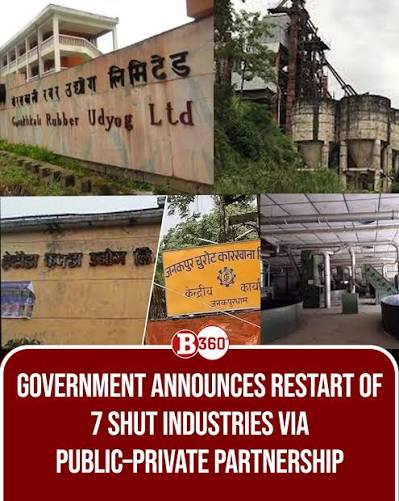
I had been thinking about the proposal to reopen Nepal’s closed industries for some time, but I hesitated to speak publicly after seeing the emotional reactions of many Ranstriya Swontantra Party (RSP) supporters on social networking sites. For many of them, reopening a factory appeared to represent patriotism, national pride, self reliance, employment, and the rejection of previous governments. Questioning its practicality could easily be interpreted as opposition to Nepal or to political change.
My hesitation did not come from a lack of opinion. I was concerned that an economic question would be reduced to a test of political loyalty. After reading Prime Minister Balen Shah’s status and listening to Gagan Thapa’s video response, I felt that the subject deserved a wider and more practical discussion.
The promise to reopen closed industries is politically attractive. It evokes employment, national pride, and the belief that Nepal should produce more of what it consumes. It also creates a powerful political contrast. Previous governments allowed national industries to collapse, the argument goes, while a new government will bring them back to life.
The emotional appeal is understandable. Yet popularity and practicality are not the same thing.
If an industry operated at a loss for years and eventually closed, it cannot be revived merely through patriotism, good intentions, or the determination of a new government. A closed factory is not simply a sleeping giant waiting to be awakened. It may be the result of outdated technology, weak management, excessive staffing, political interference, high debt, poor procurement, an unsuitable market, or a business model that no longer works.
Before asking when an industry should reopen, we should first ask why it closed.
Balen Shah’s status presents several public institutions as examples of early improvement. He refers to increased sales and reported profit at Nepal Drugs Limited, higher sales and reduced arrears at the Dairy Development Corporation, increased revenue and seat occupancy at Nepal Airlines, test production at Hetauda Textile Industry, and increased production at Singha Durbar Baidhyakhana.
These developments may be encouraging. If a public institution has improved production, collected more revenue, met quality standards, or paid farmers more regularly, those results deserve recognition. But an encouraging sign is not the same as a successful business. Increased sales do not necessarily mean increased profit. Higher revenue does not necessarily mean lower debt. Beginning production does not mean that a sustainable market has been secured.
This is the main point raised by Gagan Thapa. His criticism may contain political calculation, but the economic questions he raises are important. If the Dairy Development Corporation reduced its outstanding payments to farmers, did it do so through operating profits, or did the Ministry of Finance provide additional money? If daily sales increased from Rs. 60 lakh to Rs. 90 lakh, how much did the costs of milk procurement, wages, transport, interest, maintenance, administration, and distribution increase?
The response from RSP lawmaker Rajib Khatri illustrates the confusion. He argued that if sales increased by Rs. 30 lakh and the profit was only one rupee per litre, the additional profit would be Rs. 30 lakh. But the reported figures refer to sales revenue, not the number of litres sold. Without knowing the additional quantity and the actual net margin, his calculation cannot establish that profit increased by Rs. 30 lakh. This is not a question of being against industry. It is a basic question of accounting.
The personal attacks surrounding this debate are equally unhelpful. Some people defend Gagan Thapa by referring to his political history, imprisonment, education, and contribution to democracy. Others defend the RSP government by accusing its critics of jealousy or hostility to national industries. A person’s political history does not automatically make every economic argument correct. Similarly, a new political party is not automatically right simply because it emerged from public dissatisfaction with the old parties.
Public institutions should be judged through audited accounts, net profit, debt, subsidies, productivity, and long term performance. The debate should move away from personal insults and return to evidence.
There is another danger that deserves greater attention. Reopening public industries may once again turn them into employment centres for party cadres, relatives, and political loyalists. This has been a problem under successive governments since the restoration of democracy. The Nepali Congress, UML, and Maoist governments all contributed to a political culture in which public institutions could be used to reward supporters.
I have seen friends appointed as general managers of industries during the governments of political parties with which they were affiliated. Some later moved to the United States or Canada and worked in occupations completely unrelated to industrial management. This is not an attack on those individuals. It is a criticism of a system that placed political connection above professional competence.
The RSP emerged by criticizing this culture of patronage. That is why its conduct should be examined carefully. A new party should not reproduce the old practices while using a different language. Changing the party in power does not automatically change the system. If reopened industries are filled with cadres and relatives instead of qualified engineers, managers, technicians, and accountants, they will soon reproduce the same inefficiency and losses.
Gagan Thapa’s broader point also deserves consideration. The government’s primary responsibility is to create a fair business environment, regulate markets, protect the public interest, and support strategically important sectors. It does not necessarily have to operate every commercial factory, airline, textile mill, or trading institution. Essential medicines, food security, emergency supply, and national resilience may justify public ownership. Ordinary commercial production should generally be managed by professional and accountable businesses, whether public, private, or operated through genuine partnerships.
Nepal does not have to choose between reopening every closed factory and selling every public enterprise. Each institution should be evaluated separately. Some may be strategically important. Some may become viable after restructuring. Some may be better operated through public private partnerships. Others may be beyond repair and should be closed in an orderly manner.
For every institution, the government should publish a clear plan explaining its purpose, required investment, market, production costs, staffing, debt, subsidy, management structure, and performance targets. Recruitment must be open and competitive. Senior appointments should be based on qualifications and experience, not political loyalty.
Patriotism does not mean reopening an old factory regardless of cost. Patriotism means using public money carefully and honestly. If a closed industry can become competitive through new technology, capable management, a clear market, and transparent financial planning, it deserves an opportunity. But a flag, a ceremony, and a photograph of a factory floor cannot make an industry viable.
A factory needs customers, productivity, quality, discipline, competent management, and accountability. Reopening a closed industry may be a meaningful policy. Reopening a failed business model and filling it with political appointees is not economic nationalism. It is simply repeating the past with a new slogan.
Canada’s housing crisis is usually described as a problem of supply and demand. Build more homes, the argument goes, and prices will eventually come down. That explanation contains some truth, but it also hides a deeper reality that Cara Stern brings out in her conversation with mortgage expert Ron Butler. Canada’s housing crisis is not only about supply. It is about fairness.
The question is no longer simply why houses are expensive. The more important question is why the rules of homeownership have changed so dramatically for one generation while remaining so favorable for another.
A society cannot remain healthy when people working full time, including teachers, nurses, grocery store managers, engineers, and young professionals, can no longer afford to live in the communities they serve. Housing is more than a commodity or an investment. It is the base on which people build families, careers, communities, and a sense of belonging.
Listening to Stern and Butler, one realizes that the conversation is not really about mortgages or real estate. It is about how decades of public policy have quietly reshaped the Canadian dream.
From Ordinary to Unreachable
Ron Butler recalls entering the mortgage industry more than three decades ago when an assistant grocery store manager and a registered nurse could regularly purchase a home in the Greater Toronto Area with a modest down payment. Home prices generally ranged between two and a half and three and a half times a household’s annual income.
Today, in many Canadian cities, particularly Toronto and Vancouver, home prices have reached seven, eight, or even twelve times household income.
That is not just inflation. It is a complete redefinition of adulthood.
For previous generations, buying a home was a realistic milestone reached through employment and savings. For many young Canadians today, homeownership increasingly depends on inherited wealth, parental support, or the willingness to take on decades of crushing debt.
We are told this is progress. It is not. It is a narrowing of social mobility dressed up as a normal market adjustment.
The Myth of Equal Effort
One of the strongest points Stern makes is that acknowledging generational inequality does not diminish the hard work of previous generations.
Many older Canadians respond, quite understandably, by saying, “We worked hard too.”
No one seriously disputes that. The issue is not effort. The issue is whether equal effort still produces equal opportunity.
A young couple earning above the national median income, saving diligently, avoiding extravagance, and making responsible choices can still find themselves priced out of family sized housing. If financially responsible households cannot buy modest homes, the problem cannot be reduced to budgeting discipline or lifestyle choices.
It becomes structural.
Stern speaks from experience. She and her husband were earning above the median household income, living frugally, and saving consistently. Yet they still found themselves unable to purchase even very small homes that could accommodate the family they hoped to build.
That frustration eventually became professional curiosity. Instead of accepting the situation as inevitable, she began asking why the housing market seemed so detached from ordinary incomes. That inquiry led her into housing journalism.
Housing Is a Policy Choice
Perhaps the most important insight in the conversation is Stern’s insistence that today’s housing crisis did not simply happen. It was created through policy.
Too often Canadians speak about housing affordability as though it were a force of nature. It is not.
Governments make decisions about zoning regulations. Governments determine development charges. Governments decide how municipalities finance infrastructure. Governments establish tax systems. Governments regulate land use. Governments shape immigration targets. Governments influence mortgage rules.
Every one of those choices affects housing affordability.
In Stern’s words, the economy is a series of choices.
That changes the whole conversation. If policy helped create the crisis, policy can also help solve it. The challenge is not mainly technical. It is political.
The trouble is that political courage is usually in short supply when the people most protected by the current system are also the loudest defenders of it.
When Cities Fund Themselves Through Housing
One of Butler’s strongest criticisms concerns the enormous rise in municipal development charges.
Municipal governments need revenue, but they do not want to anger existing homeowners by raising property taxes. So instead, they shift infrastructure costs onto new housing developments. The logic is obvious. Existing voters stay happy. Future homeowners pay the bill.
It is a neat trick, and it has been repeated often enough to become normal.
Of course, developers do not absorb these costs forever. They pass them on to buyers. So development charges that were once relatively modest have grown dramatically over the past two decades, adding tens of thousands and sometimes hundreds of thousands of dollars to the price of newly built homes.
The result is perverse. Policies sold as responsible municipal planning end up making homeownership harder for the very people trying to enter the market.
In other words, younger Canadians are paying twice. They pay through high housing prices and again through the financing mechanisms hidden inside those prices.
The Missing Middle
Another major theme in the conversation is Canada’s obsession with building either detached suburban homes or very small condominiums.
What has largely disappeared is what urban planners call the missing middle. Duplexes, triplexes, fourplexes, courtyard apartments, townhouses, and other family sized medium density housing have been squeezed out by zoning rules and planning habits that no longer serve the reality of modern cities.
These forms of housing once allowed neighbourhoods to grow gradually while remaining affordable. Today many municipalities continue to restrict them through rules inherited from another era, as though the car oriented suburbs of the mid 20th century should still dictate how a 21st century city must function.
The result is predictable. Developers either build luxury detached homes where land is available or maximize profit by producing tiny condominium units in expensive urban locations.
Families searching for modest three bedroom homes find very few choices.
Canada has become increasingly successful at producing housing units while becoming less successful at producing homes that ordinary families can actually use. Those are not the same thing.
Counting units tells us little if families cannot live in them.
What Housing Really Means
Perhaps the most affecting part of Stern’s interview is her own plain and deeply human wish.
She does not dream of luxury. She wants what previous generations often treated as ordinary. A stable home. A neighbourhood. Children attending the same school. Some freedom from the anxiety that a landlord may decide to sell and uproot the family.
That should not sound radical. Yet in today’s Canada, even basic stability can sound like a privilege.
Housing shapes far more than the real estate market. It shapes whether people marry, whether they have children, whether they stay in a city, whether they volunteer, whether they build roots, and whether they imagine a future at all.
A country that makes stable housing inaccessible is not just creating a housing problem. It is weakening its own social future.
A Fairness Crisis
The housing debate is usually framed as a contest between homeowners and renters, developers and environmentalists, cities and provinces, or supply advocates and affordability advocates.
Cara Stern’s conversation with Ron Butler suggests a better framework. The central question is fairness.
Can a young Canadian working full time reasonably expect to own a modest home. Can ordinary families remain in the cities where they grew up. Can children afford to live near their parents. Can essential workers afford to live where they work.
If the answer increasingly becomes no, then Canada faces more than a housing shortage. It faces a fairness crisis.
Fixing that will require more than adding units. It will require rebuilding a system that once allowed ordinary work to produce ordinary dreams.
Until that happens, Canada’s housing market will remain not only expensive, but fundamentally unfair.
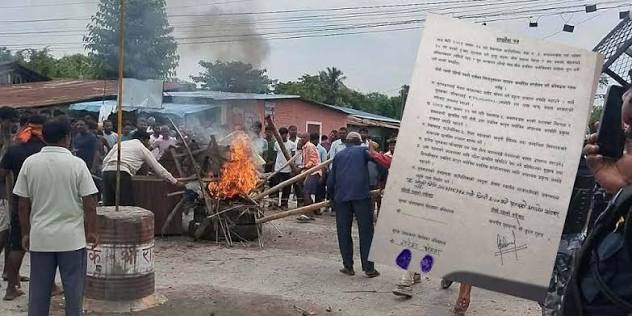
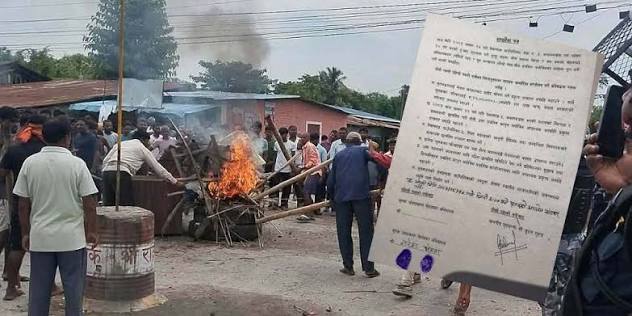
My heart goes out to the families who have lost loved ones and to all those who have been injured or left frightened by the recent violence. As someone who loves this motherland deeply, it is painful to watch our society go through such tense and uncertain days. In moments like this, the first duty of every responsible citizen is to mourn, to listen, and to hope for peace.
Even if this is not the time to blame others, it is still the time to reflect. If we truly care about Nepal, then we must stop pretending that slogans, public stunts, or social media energy are enough to govern a country. When crisis arrives, it is not style that matters. It is judgment, coordination, restraint, and trust.
This is where my concern begins. Many RSP supporters may want to read the recent violence as an old-party conspiracy to make the new force fail. I do not see it that way. The old parties, for all their corruption and failures, understand Nepal’s political reality far better than RSP does. They know the terrain, the actors, the fault lines, and the habits of our society. That does not make them good. But it does make them experienced. And experience matters when a country is under strain.
RSP entered politics with the promise of freshness and change. That was its strength. But governing a country is a different responsibility altogether. A party can rise on frustration, anger, and charisma. But it cannot govern on those alone. When violence broke out, the need was not for a stunt or a slogan. The need was for immediate contact, coordination, trust-building, and political maturity. That is why an all-party meeting became necessary. That is why leadership is tested not in victory speeches, but in moments of fear.
This is also where my earlier idea of The Richmen’s Club that Nepal Never Had becomes relevant. If some political leaders came into politics after earning money and success, then they should have brought with them seriousness, discipline, and a sense of public responsibility. They should have built a culture of competence, not just confidence. They should have understood that managing a country is harder than winning applause.
I say this with sadness, not arrogance. I do not want Nepal to fail in order to prove a point. I want Nepal to grow out of the habit of mistaking performance for leadership. A country cannot be governed by stunts. It cannot be protected by slogans alone. And it cannot survive repeated crises if its leaders are still learning the basics of political adulthood.
Even if this is not the time to blame others, it is certainly the time to learn from what has happened. Nepal needs leaders who can feel deeply, think clearly, and govern responsibly.
हालैका हिंसात्मक घटनामा ज्यान गुमाउने सबैप्रति हार्दिक श्रद्धाञ्जली व्यक्त गर्दछु। घाइते हुनुहुनेहरू, त्रास र असुरक्षाबीच बाँच्न बाध्य भएका परिवारहरू तथा प्रभावित सबैप्रति गहिरो समवेदना व्यक्त गर्दछु। यो मातृभूमिलाई गहिरो माया गर्ने नागरिकका रूपमा यस्ता पीडादायी र तनावपूर्ण दिनहरू देख्नु अत्यन्त दुःखद छ। यस्ता संवेदनशील घडीमा जिम्मेवार नागरिकको पहिलो कर्तव्य शोक मनाउनु, एकअर्काको कुरा सुन्नु र शान्तिको कामना गर्नु हो।
सायद अहिले दोषारोपण गर्ने समय होइन। तर आत्मचिन्तन गर्ने समय भने अवश्य हो। यदि हामी साँच्चिकै नेपाललाई माया गर्छौं भने एउटा भ्रमबाट बाहिर निस्कनुपर्छ—नारा, सार्वजनिक स्टन्ट वा सामाजिक सञ्जालको लोकप्रियताले मात्र देश चल्दैन। संकटको बेला शैली होइन, विवेक चाहिन्छ। समन्वय चाहिन्छ। संयम चाहिन्छ। र सबैभन्दा महत्त्वपूर्ण कुरा, जनविश्वास चाहिन्छ।
केहीले हालको हिंसालाई नयाँ राजनीतिक शक्तिलाई असफल देखाउन गरिएको षड्यन्त्रका रूपमा व्याख्या गर्ने प्रयास गर्न सक्छन्। म त्यसरी हेर्दिनँ। पुराना राजनीतिक दलहरूमा भ्रष्टाचार, कमजोरी र असफलताका अनेक अध्याय छन्, त्यो अस्वीकार गर्न सकिँदैन। तर उनीहरूले नेपालको राजनीतिक यथार्थलाई नयाँ शक्तिहरूले भन्दा धेरै लामो समयदेखि भोगेका, बुझेका र सामना गरेका छन्। उनीहरूलाई देशको सामाजिक संरचना, राजनीतिक संवेदनशीलता, शक्ति–सन्तुलन र द्वन्द्वका रेखाहरूको अनुभव छ। यसले उनीहरूलाई आदर्श बनाउँदैन, तर अनुभवी भने अवश्य बनाउँछ। र संकटको समयमा अनुभवको महत्त्व असाधारण हुन्छ।
परिवर्तनको वाचा गर्दै नयाँ राजनीतिक शक्ति उदाउनु आफैंमा सकारात्मक कुरा हो। तर परिवर्तनको नारा दिनु र एउटा देश सञ्चालन गर्नु एउटै कुरा होइन। कुनै दल जनताको असन्तुष्टि, आक्रोश र करिश्माका आधारमा लोकप्रिय बन्न सक्छ। तर त्यही आधारमा देश सञ्चालन गर्न सकिँदैन। हिंसा भड्किएको बेला आवश्यक कुरा स्टन्ट वा आकर्षक नारा थिएन। तत्काल संवाद आवश्यक थियो। प्रभावकारी समन्वय आवश्यक थियो। विश्वास निर्माण आवश्यक थियो। र सबैभन्दा बढी राजनीतिक परिपक्वता आवश्यक थियो। त्यसैले सर्वदलीय बैठकको आवश्यकता महसुस भयो। नेतृत्वको वास्तविक परीक्षा विजय भाषणमा होइन, संकट र त्रासको घडीमा हुन्छ।
यही प्रसङ्गमा मैले पहिले उठाएको “नेपालले कहिल्यै नपाएको रिचमेन्स क्लब” भन्ने विचार पनि सान्दर्भिक लाग्छ। यदि केही नेताहरू आर्थिक रूपमा सफल जीवन बिताएर राजनीतिमा आएका हुन् भने, उनीहरूले आफ्नो सफलतासँगै गम्भीरता, अनुशासन, संस्थागत सोच र सार्वजनिक उत्तरदायित्व पनि ल्याउनुपर्ने थियो। उनीहरूले केवल आत्मविश्वासको होइन, सक्षम शासन संस्कृतिको निर्माण गर्नुपर्ने थियो। किनभने देश सञ्चालन गर्नु ताली बटुल्नुभन्दा धेरै कठिन काम हो।
यी कुरा म अहंकारले होइन, गहिरो चिन्ताले लेखिरहेको छु। कुनै दल असफल होस् भनेर होइन, नेपाल सफल होस् भनेर। हामीले नेतृत्व र प्रदर्शनबीचको फरक बुझ्न सिक्नुपर्छ। लोकप्रियता र शासन क्षमता एउटै कुरा होइनन्। स्टन्टले देश चल्दैन। नाराले मात्र राष्ट्र सुरक्षित हुँदैन। र यदि हरेक संकटसँगै नेतृत्वले शासनका आधारभूत पाठ सिकिरहनुपर्ने अवस्था रहिरह्यो भने, देशले बारम्बार ठूलो मूल्य चुकाइरहनुपर्नेछ।
सायद अहिले दोषारोपण गर्ने समय होइन। तर अहिले भएका घटनाबाट सिक्ने समय भने पक्कै हो। नेपाललाई यस्ता नेताहरू चाहिन्छ, जसले नागरिकको पीडा गहिरोसँग महसुस गर्न सकून्, परिस्थितिलाई स्पष्ट रूपमा बुझ्न सकून्, र जिम्मेवारीपूर्वक शासन गर्न सकून्। आखिर, देशलाई स्टन्टले होइन, दूरदृष्टि, विवेक, संस्थागत क्षमता र उत्तरदायी नेतृत्वले अघि बढाउँछ।
Sometimes I wonder whether some of our newest political heroes in Nepal simply chose the wrong career.
Perhaps they should never have entered government at all.
Instead, they should have established a national institution called the Rich Men’s Club for Nepal’s Development.
Membership would be simple. You must already have enough money that politics cannot tempt you. You must sincerely love Nepal. And you must be fully convinced that everyone who governed before you was either corrupt, incompetent, or both.
Confidence has never been in short supply.
The Club would have obvious advantages. Its members could build schools without first declaring every existing school a failure. They could finance hospitals without turning administrative reshuffling into public spectacle. They could support universities without discovering halfway through that institutions cannot function when leadership is abruptly removed without due process.
They could fund scholarships instead of exposing how fragile national systems can be when handled without care. They could experiment freely and revise quietly.
Most importantly, they could spend their own money while testing their own ideas.
Citizens would applaud. Nobody would object. Everyone likes philanthropy.
What people fear is something else. They fear becoming unwilling participants in political experiments.
The problem begins when success in media, business, or public visibility starts to look like qualification for constitutional leadership.
Business rewards speed. Democracy rewards restraint.
Business celebrates disruption. Democracy survives because institutions are deliberately difficult to disrupt.
In a company, yesterday’s strategy can be abandoned overnight. In a constitutional system, institutions exist because they were built through long struggle and painful compromise.
That difference matters.
Yet recent political practice suggests a different understanding of governance. It resembles a simple pattern. Announce boldly. Receive applause. Encounter legal difficulty. Clarify. Revise. Then explain that revision shows maturity.
Repeat as necessary.
Citizens have already adapted. They no longer react to the first announcement. They wait for the correction.
The rise of the Rastriya Swatantra Party was built on real public frustration. That frustration was justified. Established parties have failed repeatedly on governance, accountability, and delivery. Rabi Lamichhane’s appeal came from positioning himself outside that failure.
That appeal translated into political power. It did not automatically translate into constitutional competence.
Rabi Lamichhane’s political brand helped create the belief that a new kind of leadership could rescue Nepal from old habits. But governing a republic is not the same as exposing a scandal on television or winning public applause for speaking hard truths. It requires respect for law, procedure, and the limits of authority.
Gyanendra Shahi has been among the clearest voices exposing that contradiction. He has criticized RSP for rising on public anger and then behaving as if it stands above the same political rules it used to condemn. That criticism matters because it comes from inside the wider opposition space and shows that the complaint is no longer only external. It is now part of the political conversation itself.
The same problem appears in the rise of Balen Shah. He came from outside the old political class. He had money, talent, visibility, and a public image built around independence. Many people trusted him because they believed he was not part of the corrupt machinery that had disappointed them for years.
That trust was understandable. It was also dangerous if it became blind faith.
If a person enters public office with wealth and good intentions, that is not a sin. The problem begins when he starts treating state institutions as if they were private projects that can be redesigned by instinct. Government is not a startup. It is not a foundation. It is not a club. It is the formal arrangement through which a diverse and often quarrelsome society manages power without destroying itself.
That is why constitutional norms exist.
This is where the richer satire lies. If these leaders already had money, and if they genuinely wanted to serve the country, then the honest path would have been to serve first through private or civic institutions. They could have built schools, hospitals, scholarship funds, local development trusts, research centers, and civic programs. They could have shown public spirit without touching the machinery of the state.
That route would have done two things.
It would have protected constitutional government from being treated as a laboratory.
And it would have given them the very thing they lack now, practical experience in handling complexity.
A country is not run by outrage alone. It is run through compromise, restraint, process, and an acceptance that every decision has consequences beyond the headline. A mayor, minister, or prime minister cannot simply act on impulse and then expect legality to catch up later.
That is why some of the actions associated with the current RSP leadership have created unease. Strong declarations often arrive before the legal foundation is secure. Public relations moves sometimes appear to matter more than institutional durability. Even the cabinet can look more like a showcase of youthful enthusiasm than a serious instrument of statecraft.
The home minister, the education minister, and others may all carry the burden of this same style. They are expected to perform change quickly, visibly, and dramatically. But performance is not the same as governance. And novelty is not the same as competence.
The problem becomes even clearer when this same instinct is applied to the poor.
A government can claim to be modern and disciplined, but if it shows little compassion toward sukumbasi, informal workers, and people living on the edge of survival, then it is not reforming the state. It is hardening it.
Reports of holding centers being emptied with demands for Rs 25,000, the public anger after flooding forced some of those centers to be shifted, and the outrage over how vulnerable families were handled all point to the same failure. Rules are necessary. But rules without study, without context, and without humanity are not governance. They are punishment dressed as order.
A state that cannot understand the difference between discipline and cruelty will eventually lose its moral authority.
Yubaraj Dulal has also spoken forcefully against the same double standard. He has treated RSP’s approach to the provincial question and its wider conduct as dishonest toward the people rather than as some innocent administrative adjustment. That matters because it shows the criticism is not just about style. It is about the party’s willingness to say one thing and do another when it suits power. The provincial question especially reveals the problem, because a federal structure built through sacrifice cannot simply be brushed aside by political impatience. The decision is not neutral. It is a political message about what kind of state the party thinks Nepal should become.
The same concern appears in the use of fines and enforcement. It is one thing to insist on order. It is another to impose penalties without asking who will suffer most. When poor people are punished harshly for violations that the wealthy can absorb with ease, the law stops looking neutral. It starts looking class based.
The death of Ganesh Nepali brought that cruelty into sharp focus. According to reporting and parliamentary debate, a poor ride-hailing driver was fined and then later died after a self-immolation attempt, turning a routine enforcement action into a moral scandal. Whatever one thinks of rules, no civilized government can dismiss such a case as ordinary administration. It should have forced a deeper reflection on how the state treats the poor, the desperate, and the powerless.
That is why public criticism of harsher fines matters. People are not rejecting rules. They are rejecting a system that appears eager to punish the weak while speaking gently to the powerful.
Nepal’s democratic institutions were not handed down by benevolent rulers. They were built through resistance against Rana rule, through the struggle against Panchayat, through democratic movements, and through the sacrifices of people who believed that the country should be governed by rules, not personalities.
Those sacrifices created a system that is imperfect but precious.
To break its norms in the name of change is not courage. It is carelessness.
To appoint near and dear ones to key posts while speaking the language of merit is not reform. It is old patronage in new clothing. To talk about efficiency while treating the poor as administrative inconvenience is not compassion. It is class arrogance.
This is why the idea of a Rich Men’s Club is more than satire. It is a warning. If people have wealth, sincerity, and public trust, let them prove themselves outside the state first. Let them learn how difficult public life is before taking control of it. Let them discover that running a country is not the same as funding a project or speaking in slogans.
If they do that, they may one day become better leaders. They may come to understand that institutions are not obstacles to be defeated but safeguards to be respected. They may also understand that justice without empathy is only a cleaner form of cruelty.
And citizens, having watched them serve without power, would trust them more when they finally do enter government.
That is the real irony.
If these men had chosen the private route first, they might have earned the authority they now assume.
Instead, they entered the state too early and began learning at the public’s expense.
That is an expensive education.
And in every democracy, it is the people who pay the tuition.
सामुदायिक संस्थाको निर्वाचन: निस्वार्थ सेवाको प्रतिबद्धता कि आत्म-प्रचारको चुनावी अभियान?
क्यालगरीस्थित NCSC को अहिलेको चुनावी माहोल हेर्दा, NCHC को सञ्चालक समितिमा रहेर काम गरेको आफ्नो अनुभव अनायासै सम्झिन्छु। यसले फेरि एकपटक सम्झाइदियो—सामुदायिक सेवा र चुनावी अभिनय एउटै कुरा होइनन्।
मैले NCHC मा काम गर्दा सेवा भनेको भाषण दिने, सेल्फी खिच्ने वा समावेशिताका आकर्षक नारा लगाउने विषय थिएन। त्यो त बैठकमा बस्ने, चन्दा संकलन गर्ने, दाताहरूसँग समन्वय गर्ने, स्वयंसेवा गर्ने, सरसफाइ गर्ने, भाँडा माझ्ने, प्रसाद वितरणमा सघाउने, र संस्थालाई जुन काम आवश्यक पर्थ्यो, त्यो निस्वार्थ रूपमा गर्ने जिम्मेवारी थियो। किनभने त्यहाँ कसैले पद, प्रतिष्ठा वा सामाजिक सञ्जालको चर्चा कमाउन सेवा गरेको थिएन। मन्दिरमा आधारित परोपकारी संस्थामा सेवा भनेको क्यामेरा अगाडि मुस्कुराउनु होइन; क्यामेरा बन्द भएपछि पनि निरन्तर काम गरिरहनु हो।
तर चुनाव नजिकिँदा एउटा रोचक परिवर्तन देखिन्छ। वर्षौँसम्म नदेखिएका अनुहारहरू अचानक समुदायका सबैभन्दा ठूलो शुभचिन्तक बन्छन्। पारदर्शिताका सबैभन्दा ठूला अभियन्ता उनीहरू नै हुन्छन्। जवाफदेहिताका सबैभन्दा प्रखर व्याख्याता पनि उनीहरू नै हुन्छन्। स्वयंसेवाको महत्वबारे लामो भाषण दिन्छन्, मानौँ संस्थाको सम्पूर्ण इतिहास उनीहरूकै काँधमा उभिएको हो।
चुनाव सकिएपछि भने त्यही जोश, त्यही प्रतिबद्धता र त्यही सेवा भावना कहाँ हराउँछ भन्ने प्रश्नको जवाफ कसैले दिँदैन।
कतिपयका लागि समुदाय भनेको सेवा गर्ने ठाउँभन्दा पनि चुनाव लड्ने मञ्च बन्छ। स्वयंसेवा भनेको जिम्मेवारीभन्दा बढी प्रचार सामग्री बन्छ। संस्थाको कामभन्दा फोटो महत्त्वपूर्ण हुन्छ, पसिनाभन्दा पोस्ट महत्त्वपूर्ण हुन्छ, र योगदानभन्दा प्रचारको मूल्य बढी देखिन्छ। सेवा कम, ब्रान्डिङ बढी; योगदान कम, अभियान बढी।
तर सत्य यति सरल छ—सामुदायिक संस्थाहरू चुनावी मौसममा लेखिएका घोषणापत्रले टिक्दैनन्। ती त वर्षभरि निस्वार्थ रूपमा समय दिने, श्रम गर्ने, आर्थिक सहयोग जुटाउने, भाँडा माझ्ने, कुर्सी मिलाउने, कार्यक्रम सकिएपछि हल सफा गर्ने र कसैले धन्यवाद नदिँदा पनि फेरि अर्को दिन उपस्थित हुने मानिसहरूको काँधमा टिकेका हुन्छन्।
विशेषगरी मन्दिरसँग जोडिएका संस्थाहरूमा सेवा भनेको पद प्राप्त गर्ने माध्यम होइन; त्यो संस्कार हो। त्यहाँ विनम्रता, निरन्तरता र कर्मको मूल्य हुन्छ। समावेशिताको भाषामा बेरिएका आकर्षक नाराले संस्था निर्माण गर्दैनन्। संस्था निर्माण गर्ने भनेको चुनावको समयमा होइन, चुनाव नभएको समयमा पनि निरन्तर सेवा गर्ने मानिसहरूले हो।
चुनावको बेला सबै स्वयंसेवक देखिन सक्छन्। तर समुदायले सधैं सम्झिने व्यक्ति त्यो हुन्छ, जो मत माग्न होइन, काम गर्न आएको थियो।
The first 100 days of the Ranstriya Swontantra Party (RSP) led government in Nepal were never going to be a routine political checkpoint. For a party that entered public life speaking the language of clean governance, efficiency, accountability, and a new political culture, the hundred day mark became a test of character. It was meant to show whether a movement that rose by criticizing the failures of old parties could actually do politics differently once it reached power. So far, the answer is mixed. The government has moved faster than many of its predecessors in some administrative areas, but it has not yet delivered the depth of change it promised.
That gap matters because the RSP did not rise simply as another electoral force. It came in as a political mood, almost as a correction to the old order. Its appeal rested on frustration with corruption, slow bureaucracy, elite capture, and the sense that the state had become detached from ordinary people. It also drew strength from a national anxiety that young Nepalis were leaving in large numbers because the country no longer seemed able to offer them a future. In that sense, the party presented itself not just as a governing alternative, but as a moral alternative. It said, in effect, that politics could be made cleaner, more efficient, and more responsive if the right people were in charge.
That promise created a high standard. The RSP was not judged against a weak baseline. It was judged against its own rhetoric. It told the country that it would reduce waste, cut bloated structures, choose qualified people, and put public interest above party networks. It suggested that reform would be visible, not merely theoretical. It spoke as if the old habits of favoritism, symbolic appointments, and empty performance could finally be broken. That is why the first 100 days matter so much. They are the first real chance to see whether the party meant what it said.
There have been some real signs of movement. The government has shown that it can act quickly in certain administrative matters. It has pushed digital governance, tried to streamline services, and projected an image of energetic reform. In a country where delay is often normalized and inefficiency is treated as a permanent condition, that speed has symbolic value. Citizens do notice when a file moves faster or when an office becomes less obstructive. Reform begins there, not only in speeches but in the small experiences of public life.
Yet symbolism is not enough. A government that claims to be transformative must be measured by whether it changes conditions for those who have the least power. That is where the early record looks much weaker. The poor, the unemployed, the landless, and the young people still leaving the country have not yet seen a level of change that matches the party’s promises. The state may sound more active, but that is not the same thing as being more just. In the end, people do not live inside policy language. They live inside jobs, rent, food prices, public services, and dignity.
The treatment of sukumbasi communities is one of the most painful examples of this contradiction. A party that presents itself as modern and humane cannot afford to handle landless and informal settlers as if they are merely a nuisance to be moved aside. Eviction without sufficient resettlement planning creates not just hardship but humiliation. It tells vulnerable people that they are still the ones who absorb the cost of state action. That is not reform. That is displacement with better branding. For a government that promised fairness, this issue has become morally and politically damaging.
The same contradiction appears in the question of migration. One of the RSP’s most attractive promises was that Nepalis would no longer have to leave the country in desperation. Its leaders spoke as if opportunity could be rebuilt at home and as if the state could become a place where young people might stay, work, and dream. But the reality has not changed in any meaningful way. People continue to leave because they still do not see enough hope inside the country. That is not a failure of messaging. It is a failure of results. A government may talk about bringing people back, but it will be judged by whether it can make staying worthwhile.
Swornim Wagle’s role also reveals something important about the character of this government. He has often been presented as a serious and technocratic figure, someone who can give the party an image of competence and discipline. But technocratic language has limits. It can explain what should happen, but it cannot substitute for what people actually experience. If health insurance remains weak for the poor, if welfare commitments are uncertain, and if economic relief does not reach the vulnerable, then the question is not whether the analysis sounds sophisticated. The question is whether the poor are protected. A polished argument in parliament does not mean much if the social reality outside remains unchanged.
There is also a deeper political issue here. The RSP built its reputation by attacking the culture of patronage. It said that public office should go to qualified people, not loyalists or relatives of the powerful. That was one of the reasons it attracted public trust. But once in power, any sign that appointments are being influenced by friendship, faction, or informal access weakens the party’s central claim. A new government can survive criticism of policy. It cannot easily survive the accusation that it is reproducing the same old network of influence it once condemned. That is why questions around appointments matter so much. They are not a side issue. They go to the heart of the party’s identity.
Taken together, the first 100 days suggest a government that is energetic but not yet transformative, vocal but not yet deeply credible, visible but not yet fully effective. It has shown that it can generate attention and move quickly in some areas. It has also shown that governing is far harder than opposition politics. In opposition, it was easy to identify what was broken. In power, every decision runs into institutions, budgets, legal limits, and public expectation. The party is now discovering that rhetoric is easy to distribute, but outcomes are much harder to deliver.
So the question is not whether the RSP has failed or succeeded in some absolute sense. The better question is whether it is becoming the kind of party it claimed to be. At present, the answer is uncertain. It still carries the hope of change, but that hope is no longer unchallenged. It has begun to look like a government caught between its moral image and the practical habits of Nepali politics. That is a dangerous place to be, because the public is willing to forgive early difficulty, but not the quiet return of old behavior under a new flag.
The real test will come in the next phase. If the RSP can move beyond appearances and produce real improvements in employment, welfare, service delivery, and public trust, then the first 100 days may later be seen as the rough beginning of something meaningful. If not, they will be remembered as the point when a promising movement started to resemble the politics it had once set out to replace. That is the core issue. The RSP did not come to power merely to govern. It came to prove that Nepali politics could be cleaner, fairer, and more responsive. After 100 days, that promise is still alive, but it is clearly weaker than it was before.