The Collapsing Old House and Chamsuri’s Pain

Dr. Rajendra Panthee
The Villagers’ Awakening 

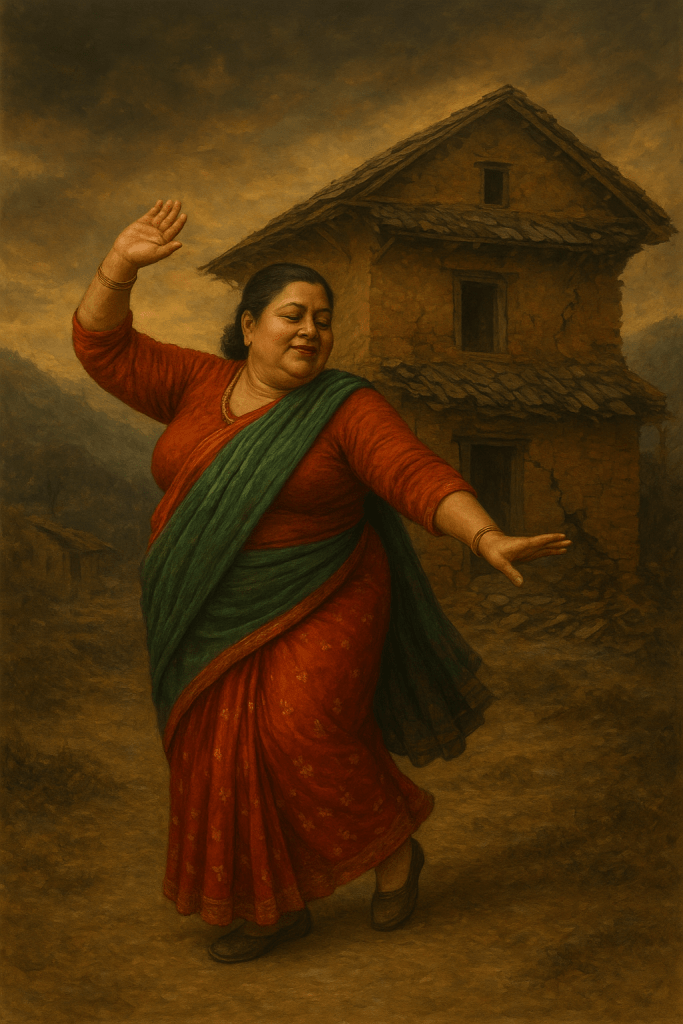
The village of Vedanpur had finally understood what was really happening, but the truth was hard to swallow. The spectacle was over. The audience had dispersed. Chamsuri was left standing on a stage of her own making, the boards now rotten beneath her feet. Her dance, once a triumphant performance of dominance, had become a desperate, shuffling routine to maintain the illusion.

The “reckoning” was not a single, dramatic event, but a slow, inexorable erosion. The Brahmin patriarch and the Magar matriarch, the twin pillars of Chamsuri’s power, were now gone. Their passing left a void not of grief, but of unchecked accountability. With them died the last vestiges of unquestioned authority that had shielded her.

The Unforgivable Blow from Dile’s First Write Up

The final, unforgivable blow came not from a village gossip, but from the written word. Dile, from his life in Kathmandu, published a poignant account of his life. A heart-wrenching narrative of a son’s longing for a love and recognition that was always withheld. A stark detailing of the systemic injustice that favoured one branch of the family over the other.

The essay was a seismic shock. In Vedanpur, photocopies were passed from hand to calloused hand. The villagers, who had once whispered, now read the unvarnished truth in black and white.

Chamsuri and Nakkale were shaken to their core. The carefully constructed narrative of their superiority was collapsing faster than the old house. In a fit of insane rage, Chamsuri did the unthinkable. She went onto the Nepal Touch website where the essay was published and wrote a furious comment, wishing for Dile’s death. “He has spat on our family’s honor!” she shrieked, her digital vitriol a permanent testament to her fury. “May he perish for this betrayal!” She then furiously called Nakkale’s uncles’ daughters, both in Nepal and abroad, repeating her venomous wishes. This was her pattern. She had always boasted of her wealth, a fortune built on the sacrifice of Putali and Dile, and took a perverse happiness in every struggle and sorrow they endured. Now, exposed, her happiness curdled into public, crazed hatred.

The House on Shaky Ground

With the patriarch and matriarch gone, the full, unvarnished truth of the inheritance was laid bare. Dile, true to a lifetime of principled silence, had never set foot in Vedanpur to claim a single inch of land. He wanted nothing from the father who had given him nothing. Not love, not security, not a shred of paternal duty. The entire estate, including everything the patriarch had earned in Mumbai (money that was rightfully part of the paternal wealth to be shared between both sons), was now firmly in the grasp of Nakkale and Chamsuri.

This should have been their ultimate victory. Instead, it became their prison.

There was one final, symbolic piece of the “paternal property”: the old, dilapidated house and the small, rocky plot that the patriarch had originally allocated to his first wife. It was the site of Putali’s suffering, a place of painful memories for Dile, and a crumbling eyesore for Chamsuri.

A cruel irony began to gnaw at them. To finally silence the villagers and perhaps their own stirring consciences, they wanted nothing more than for Dile to come to the village, formally register this worthless plot in his name, and absolve them of it. They believed that if Dile accepted this neglected property, they could finally boast that they had, after all, “handed over” his share. It was the ultimate act of rewriting history, and his refusal shattered the possibility.

The Second Exposure

Chamsuri’s public comment and venomous phone calls were the final straw for Dile. Her hatred, now documented for all to see, pushed him to write again. This time, he did not write a sorrowful letter, but a devastating chronicle. He published “Dance Chamsuri, Dance,” laying bare the entire village drama. The manipulation by Jhumri. The tyranny of Chamsuri. The weakness of Nakkale. The cabal of villagers like Chankhe who fueled the flames. The story of the naming ceremony, the unjust land division, the stolen earnings from Muglan. It was all there, laid bare with a dignity that made their past complicity feel shameful. For a lifetime, Putali had tried to express her hardships to the villagers. They would listen with feigned sympathy, only to rush to Chamsuri’s in-laws, exaggerating her words and painting Putali as a bad-mouthed, ungrateful woman. Now, Dile’s words forced them to finally reckon with the sorrows they had helped perpetuate.

This second exposure shook the couple’s foundation to dust. The essay was a mirror held up to their lives, and the reflection was monstrous. Now, their misdeeds were not just implied. They were named, detailed, and immortalized. Every word Dile published thereafter, on any topic, sent them into a fresh spiral of paranoia. They became convinced that every new essay, every social media post, was another coded expose, another chapter dedicated to unveiling their lifelong sins to the world. This constant fear festered into a genuine mental affliction, a shared psychosis where they saw their own condemnation in every line Dile wrote.

The Psychological Cage

Now, the old house became more than just a building. It became a monument to their bad karma, a physical representation of the suppression and oppression “Dance Chamsuri, Dance” had revealed. Every monsoon, they heard reports from their loyal spies, Indre and Burche: “The roof sags more,” “The wall has a new crack,” “It will not survive the next storm.”

The house’s impending collapse became an obsession. Chamsuri, who once boasted of building empires, now spent her nights agonizing over a collapsing mud-and-tile roof. Nakkale, who had never questioned where the money came from, now lay awake, paralyzed by a new, terrifying fear.

“They will blame us if it falls,” Nakkale would mutter, his face pale. “They will say we neglected it on purpose, that we couldn’t even preserve the one thing that was rightfully his. It will be the final proof of everything he wrote.”

“Let them talk!” Chamsuri would retort, but her voice was now a hysterical whisper. “We are not building him a new house! Why should we? He got nothing in his life, he gets nothing now!”

But her defiance was a mask for a more calculated fear. The truth was, they desperately needed the house to stand. Its continued existence, however fragile, was their only evidence. They could point to it and tell the villagers, “See? We have offered it to him. It is there for him. He is the one who is too proud, too ungrateful to accept it.” The crumbling house was their shield against the court of public opinion. If it fell, that shield would vanish, and they would be exposed as the people who had not just stolen an inheritance, but had callously let the last symbolic shred of it turn to dust.

So Chamsuri and Nakkale were trapped. Letting the house collapse would make them the undeniable villains. Saving it meant financially acknowledging a debt they refused to pay. The house had to stand, but it could not cost them a thing. It was an impossible equation that churned in their minds day and night, a perfect, maddening circle of anxiety born from their own poisoned legacy.

ढल्दै गएको पुरानो घर र चम्सुरीको पीडा

बेदानपुरको जागरण

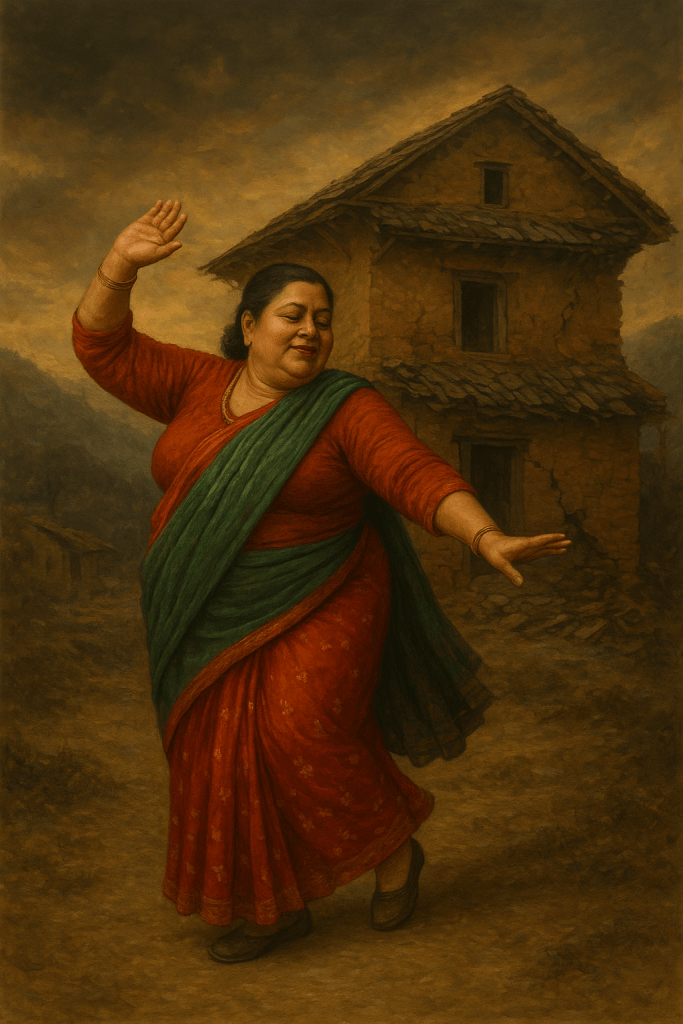
बेदानपुर गाउँ अहिले जागेको छ।तर गाउँलेहरूलाई सत्य निल्न धेरै गाह्रो भएको छ। नाटक सकियो, दर्शकहरू छरिए, र चम्सुरी आफ्नै सिर्जनाको मञ्चमा एक्ली उभिएकी छिन्। जहिले गर्व र जितको प्रतीक बनेको उनको नाच अहिले केवल नाटकको औपचारिकता बनेको छ—अभिनय जसले एउटा पुरानो भ्रमलाई मात्र जोगाइराखेको छ।

तर यो “निर्णयको समय” कुनै एक क्षणिक घटना होइन। यो बिस्तारै भएको पतन हो—एक प्रकारको क्षय जसले समयसँगै सबै शक्ति र प्रभुत्व बिसर्जन गरायो। चम्सुरीको संसारका दुई स्तम्भ— ब्राह्मण कुलपिता र मगर्नीमाता —अब छैनन्। तिनीहरू गएसँगै उनको रक्षा गर्ने अन्तिम पर्खाल पनि ढल्यो। अब न त अनियन्त्रित आत्मविश्वास बाँकी रह्यो, न त उत्तरदायित्वबाट भाग्ने ठाउँ।

अक्षम्य सत्य — दिलेको त्यो लेख

अन्ततः सबैभन्दा ठूलो चोट गाउँको हल्लाबाट होइन, एउटा शब्दबाट आयो। दिलेले आफ्नो जीवनका पीडाहरू लेखमार्फत सार्वजनिक गर्‍यो। त्यो लेख एउटा छोराको कथा थियो—जसले जीवनभर बुबाबाट प्रेम र मान्यता खोजिरह्यो, तर कहिल्यै पाएको थिएन। त्यो लेखले पारिवारिक अन्याय र असमानताको तीव्र चित्रण गर्‍यो—जहाँ एक शाखालाई सदैव प्राथमिकता दिइन्थ्यो र अर्को शाखालाई उपेक्षा र अपमानमात्रै।

त्यो लेख बेदानपुरमा भूकम्पसरह फैलियो। फोटोकपीहरू गाउँका हरेक हातमा पुगे, हरेकले पढे। जसले पहिले चुपचाप सुनेर अरूलाई गलत कथा सुनाउँथे, अहिले उनीहरूकै आँखामा कालो-सेतोमा लेखिएको नग्न सत्य परिरहेको थियो।

चम्सुरी र नक्कलेको संसार हल्लियो। वर्षौंसम्म ध्यानपूर्वक बनाएको “श्रेष्ठताको” कथा एकैछिनमा भत्कन थाल्यो। र त्यस क्षण चम्सुरी पागलझैँ व्यवहार गर्न थाली। उनी सीधै अखबारको वेबसाइटमा पुगिन्, जहाँ त्यो लेख प्रकाशित भएको थियो, र क्रोधले भरिएको टिप्पणी लेखिन्। “उसले हाम्रो परिवारको इज्जतमा थुक्यो!” उनले लेखिन्। “त्यो विश्वासघातको सजाय उसलाई मृत्यु होस्!” त्यो टिप्पणी सधैंका लागि उनको क्रोधको डिजिटल प्रमाण बन्यो। त्यसपछि उनले नेपाल र विदेशमा रहेका नक्कलेका काकाका छोरीहरू साथै आफ्ना शुभचिन्तकहरू लाई फोन गरिरही, बारम्बार आफ्नै शब्द दोहोर्याउँदै।

चम्सुरीको गर्व सधैं पुतली र उनको छोरा दिलेले भोगेका पीडामा पलाएको थियो। पुतली र दिलेले भोगेका संघर्षमा चम्सुरीले आनन्द पाउँथी—त्यो नै उसको शक्ति थियो। उनको मुख्य चिन्ता भनेको आफ्ना शुभचिन्तकहरूलाई फोन कल मार्फत पुष्टि गर्नु थियो कि उनीहरूले चम्सुरी र नक्कलेले भन्दा राम्रो गरिरहेका छैनन्। तर अहिले सत्यले उसको मुखौटा फुकालिसकेको थियो। त्यो गर्व अब पागलपन र सार्वजनिक घृणामा परिणत भयो।


ढल्दै गरेको घर

ब्राह्मण कुलपिता र मगर्नी माता को मृत्यु पछि, सम्पत्तिको वास्तविकता सबैको सामु खुलेर आयो। दिले, जसले जीवनभर आफ्नो मौन इमानदारी जोगाएको थियो, कहिल्यै बेदानपुर फर्किएन। उसले बुबाबाट केही चाहेन—न माया, न सुरक्षाको आश्वासन, न त एक इंच जग्गा। उसले बुझिसकेको थियो कि उसलाई थाहा थियो कि उसको बुबाले उसलाई केही दिने छैनन्। त्यसैले अहिले पनि उसले केही माग्ने औचित्य देखेन। यसैबीच, मुगलान मा कमाएर ल्याएको बुबाको सम्पूर्ण कमाइ—जुन मूलतः दुवै छोराबीच बराबर बाँडिनुपर्ने थियो—अब नक्कले र चम्सुरीको नियन्त्रणमा थियो।

यो उनीहरूको अन्तिम विजय हुनुपर्ने थियो, तर अन्ततः त्यो उनीहरूको कारागार बन्यो। सम्पत्तिको एउटा सानो, प्रतीकात्मक अंश बाँकी थियो—पुरानो जीर्ण घर र त्यहीँ छेउको ढुंगामाटो जमिन, त्यो पनि उसको हजुरबुबाले उसको बुबालाई दिएको। यही घरमा पुतलीले दुःखका वर्षहरू बिताएकी थिई; यही ठाउँ दिलेका लागि पीडाको स्मृति थियो, र चम्सुरी का लागि त आँखासामु देखिने घाउसरह असह्य।

तर अब विडम्बना यस्तो भयो कि गाउँको कुरा रोक्न र सायद आफ्नै विवेकलाई चुप पार्न, चम्सुरी र नक्कले चाहन्थे कि दिले गाउँ फर्कियोस्, त्यो सानो घर र जमिन आफ्नै नाममा दर्ता गराओस्, र उनीहरूले त्यसबाट “मुक्ति” पाऊन्। उनीहरूलाई लाग्थ्यो—यदि दिले ले त्यो सम्पत्ति स्वीकार गर्‍यो भने, उनीहरूले गाउँका अगाडि भन्न सक्थे, “हेर, हामीले त उसको भाग दिएका छौँ।” यो इतिहासलाई पुनःलेखन गर्ने अन्तिम प्रयास हुन्थ्यो। तर दिलेले अस्वीकार गर्‍यो, र त्यस अस्वीकारले उनीहरूको नाटक पूर्ण रूपमा भत्काइदियो।

दिलेको दोस्रो लेखन- नाच चम्सुरी, नाच

चम्सुरीले वेबसाइटमा लेखेको त्यो विषिलो टिप्पणी र देश-विदेशमा गरेकी ती क्रोधित फोन कलहरू दिलेका लागि अन्तिम सीमा बने। अब घृणा मात्र मौखिक थिएन, सार्वजनिक रूपमा दर्ता भइसकेको थियो। यसपछिका दिनमा दिलेले फेरि लेख्ने निर्णय गर्‍यो—तर यसपटक उसको लेख दुःखको निवेदन थिएन, सत्यको प्रहार थियो। उसले लेखको शीर्षक राख्यो—“नाच चम्सुरी, नाच।” त्यो लेखमा उसले सारा गाउँको नाटक खोलिदियो—झुम्रीको चलखेल, चम्सुरीको अत्याचार, नक्कलेको कमजोरी, र चङ्खे जस्ता गाउँलेहरूको मौन समर्थन। नामकरणको कथा, जग्गा बाँडफाँडको अन्याय—सबै कुरा लेखमा थियो। तर त्यो आरोप होइन, शालीन ढङ्गमा लेखिएको आत्मकथा थियो—त्यो शालीनताले नै गाउँलेहरूको सहमतिको मौनतालाई लज्जित बनायो।

यो दोस्रो लेखले चम्सुरी र नक्कलेको जग पुरै हल्लाइदियो। लेखले उनीहरूलाई एउटा ऐना देखायो, र त्यो ऐनामा उनीहरूले देखे आफ्नै कुरूप प्रतिबिम्ब। अब उनीहरूको कुकर्म केवल आरोपको रूपमा होइन, नाम र विवरणसहित उजागर भइसकेको थियो।

वर्षौंसम्म पुतली गाउँलाई आफ्नो दुःख सुनाउने प्रयास गर्थी। गाउँलेहरू सुनेजस्तो गर्थे तर पछि चम्सुरीको घर पुगेर उसका शब्दहरूलाई तोडमोड गर्थे, र उसलाई “बदजुबान, अकृतज्ञ” ठहराउँथे। तर अहिले दिलेले लेखेको सत्यले सबैको मौनतालाई चर्को रूपमा तोडिदियो। गाउँलेहरूलाई महसुस भयो—उनीहरू पनि अन्यायको साझेदार थिए।

दिलेले त्यसपछि जुनसुकै विषयमा लेखे पनि, चम्सुरी र नक्कलेमा आतंक फैलिन्थ्यो। हरेक नयाँ लेख, हरेक पोस्ट उनीहरूलाई अर्को आरोपजस्तो लाग्थ्यो—मानौँ प्रत्येक वाक्य उनीहरूकै जीवनका पापहरू उद्घाटन गर्न लेखिएको हो। यस्तो डर विस्तारै उनीहरूको मानसिक रोगमा परिणत भयो—साझा पागलपन, जहाँ हरेक अक्षरमा उनीहरूले आफ्नै निन्दा देख्थे।

मानसिक पिँजरा

अब त्यो पुरानो घर केवल माटो र ढुङ्गाको संरचना रहेन; त्यो चम्सुरी र नक्कलेको कर्मको स्मारक बन्यो—त्यो दुष्कर्म र अत्याचारको प्रतीक, जसलाई “नाच चम्सुरी, नाच” ले संसारमाझ उघारिदिएको थियो। हरेक वर्षको मनसुनमा, उनका भरपर्दा चम्चा— चङ्खे, बुर्चे, इन्द्रे, लछुमा, र दाबरे —बाट खबर आउँथ्यो: “छानो झनै झुकेको छ,” “भित्तामा नयाँ चिरा परेको छ,” “यो वर्ष बाँच्दैन” र यस्तै यस्तै!

यो घरको सम्भावित पतन उनीहरूको मनमा डरको एउटा स्थायी गुञ्जन बन्यो। चम्सुरी, जसले कहिल्यै आफूलाई हार्न नसक्ने ठान्थी, अब रातभर आँखा नलगाई त्यो घरको छानालाई सम्झँदै कराउँथी। नक्कले, जसले जीवनभर पैसाको स्रोत नसोची त्यसको मजा लिएको थियो, अब सुत्न सक्दैनथ्यो—एक नयाँ, भयावह डरले उसको मुटु चिसो बनाइदिएको थियो। “यदि यो घर भत्कियो भने, सबैले हामीलाई दोष दिनेछन्,” ऊ बर्बराउँथ्यो, उसको स्वर काँप्थ्यो अनि फेरि ऊ भन्थ्यो “सबै भन्नेछन्—हामीले जानाजानी बिगार्‍यौं, उसलाई उसको हकबाट वञ्चित गर्‍यौं। यही त प्रमाण हुनेछ, जसको बारेमा दिलेले लेखेको थियो।”

चम्सुरी झर्किएकी जस्तो देखिन्थी, तर उनको स्वर पनि अब फुस्रो र थरथराउँदो हुन्थ्यो। “गफ गर्न देऊ! हामीले उसको लागि नयाँ घर किन बनाउनुपर्‍यो? उसले कहिल्यै केही पाएन, अब पनि नपाओस्।” तर उनको यो कठोरता अब केवल आवरण थियो। मनको गहिराइमा, उनीहरूलाई थाहा थियो—उनीहरूले त्यो घरलाई बचाउनैपर्छ। त्यो घर उस्तै उभिएको रहनु नै उनीहरूको प्रमाण थियो। गाउँका अगाडि उनीहरूले अझै भन्न सक्थे, “हेर, हामीले त उसको भाग राखिदिएका छौँ, उसले नै लिन मानेको छैन।” त्यो भत्कँदो घर नै उनीहरूको ढाल बनेको थियो।

यदि त्यो ढलेर माटोमा मिल्यो भने, उनीहरूको झूटा कथा पनि ढल्नेछ। तब गाउँलेहरूले बुझ्नेछन्—उनीहरूले न केवल सम्पत्ति चोरे, तर त्यसको अन्तिम प्रतीकलाई पनि नष्ट हुन दिए। त्यसपछि उनीहरूमाथि कुनै बहाना बाँकी रहने छैन। उनीहरूका दृष्टिमा त्यो दोषको स्वीकारोक्ति हुन्थ्यो—जस्तो आफ्ना पापहरूलाई खुलेआम स्वीकार गर्नु।

यसरी चम्सुरी र नक्कले फँसे—एक यस्तो समीकरणमा जसको समाधान थिएन। यदि घर भत्कियो भने उनीहरू खलनायक ठहरिने थिए। यदि बचाए भने उनीहरूले आफ्नै अपराधको आर्थिक स्वीकारोक्ति गर्ने थिए। त्यसैले, घर उस्तै उभिनुपर्थ्यो! यो असम्भव दुविधा उनीहरूको दिनरातको सतावट बन्यो। उनीहरूको सोच, उनीहरूको निद्रा, र उनीहरूको अन्तिम शान्ति—सबै त्यो घरको ढल्दै गरेको पर्खालसँगै बिस्तारै खस्यो।

त्यो घर अब केवल माटो र ढुङ्गाले बनेको थिएन—त्यो चम्सुरी र नक्कलेको विवेकको पिँजरा बनिसकेको थियो, जहाँ उनीहरू आफ्नै कर्मको भूतसँग कैद भएर बाँचेका थिए।

(कृपया ध्यान दिनुहोस् कि यो एक काल्पनिक कथा हो र यदि यो तपाईंको वा तपाईंले चिनेको कसैको जीवनसँग मेल खाएमा, यो एक संयोग मात्र हुनेछ।)

Ohtani, Mamdani, Belonging, and Everyday Encounters

Dr. Rajendra K Panthee

Image from CNN

The Game We All Play

I’ve been thinking a lot about Shohei Ohtani lately. Not just his phenomenal talent or his World Series triumph. What hit me was that incident at a Blue Jays-Dodgers game in Toronto when fans yelled at him to “go back to your country.” Here’s a man who has captivated baseball with his once-in-a-generation ability, who has brought unprecedented attention to the sport, who plays by every rule—and yet, in that moment, none of it mattered. To those fans, he was simply “other.”

The hatred didn’t stop at the stands. When the Dodgers won the title, the Blue Jays coach made numerous accusations against Ohtani. First, he claimed Ohtani used advanced gear to gain an unfair advantage. Then, when the Blue Jays were defeated, the coach went even further, suggesting that Ohtani must have taken performance-enhancement drugs and demanding that authorities test him. Even Blue Jays player Vladimir Guerrero Jr. explicitly stated, “I do not like Ohtani because he is Japanese.” Not because of his playing style, not because of any on-field rivalry—simply because of his ethnicity.

It made me think about a parking lot.

The Incident at Mississauga Smart Center

Last weekend, my family and I visited the new Costco Business Center at Mississauga Smart Center. Like most weekend visits to Costco, parking was a challenge. We finally found a space between two cars, reasonably far from the entrance. My wife and son rushed out as soon as I parked and headed toward the store.

I was still in the car when I heard a door open—not a window rolling down, but the forceful swing of a car door. The woman in the vehicle to my left had stepped partially out and was yelling at me. The f-word featured prominently. Her complaint: I hadn’t brought the space for her or for her door to open properly.

I checked my parking. I was centered in the space—equal distance on both sides. I wasn’t over the line. I had parked correctly. This seemed to make her angrier. Perhaps she hadn’t expected me to speak back. Perhaps she expected compliance, acceptance, silence.

I didn’t want to escalate. I walked away, trying to catch up with my wife and son. But I didn’t enter the store with them. Instead, I stayed outside in the parking lot, thinking.

The Luxury of Not Noticing

I am one of the lucky few who has been a professor in a prominently white university. Perhaps because I was part of that organization, I never experienced that explicit hate as I did in the parking lot. The institutional setting, the professional role, the shared academic identity—all of these may have created a buffer that ordinary spaces do not provide.

The woman didn’t just criticize my parking. There was something else in her tone, in her assumption that she could berate me in that space, in that moment. Would she have opened her car door and shouted at someone who looked different? Would the same fury have erupted at a different face?

I can’t know for certain. But I’ve lived long enough to recognize the pattern. It’s the same pattern that allows Blue Jays fans to tell Ohtani to “go back to your country,” even as they sit in stadiums built by immigrants, eating food prepared by immigrants, watching a game filled with international players. It’s the same pattern that allows coaches and players to make baseless accusations and openly discriminatory statements against one of the game’s greatest talents.

The Spaces We Occupy

There’s a particular kind of vulnerability that comes with occupying public space as a visible minority. Parking lots, grocery stores, sidewalks—these everyday spaces become testing grounds. The rules change depending on who you are and who’s watching.

Ohtani has earned every accolade through extraordinary talent and work ethic. He is rewriting the record books. And still, in that Toronto stadium, and in the accusations from the Blue Jays coach and players, his belonging was questioned, his achievements diminished by the simple fact of his Japanese heritage.

I parked correctly in that Mississauga parking lot. I followed every rule. And still, I was made to feel like an intruder in a public space, as if my presence itself was the violation.

A Glimmer of Hope

Yet there are signs of change. Immigrants and people from different backgrounds have been proving themselves and claiming space for a long time—in local councils, state legislatures, and various positions of leadership. But recently, Zohran Mamdani’s victory as New York City Mayor marks a particularly significant milestone.

Despite the fact that so many of them tried their best to stop him, Mamdani ultimately prevailed. A Democrat and democratic socialist aligned with figures like Bernie Sanders and Alexandria Ocasio-Cortez, Mamdani faced opposition not only for his progressive politics but also for his background. His identities were weaponized against him during the campaign. Yet he won the mayoral post of one of the world’s most influential cities.

Mamdani’s victory is a powerful sign that immigrants and people from different backgrounds are not just getting noticed but are being entrusted with leadership at the highest levels. These victories matter—not just as political wins, but as evidence that belonging can be claimed, that spaces can be transformed, that the rules are slowly, painfully, beginning to include more of us.

What We Carry Forward

I returned to the store after a while, found my family, and we completed our shopping. We drove home. The incident was over, but the feeling it left behind lingered.

These moments accumulate. They’re rarely dramatic enough to report or record. They don’t make headlines. But they shape how we move through the world, how much energy we expend just existing in spaces that others navigate without a second thought.

Shohei Ohtani will continue to play baseball at the highest level. He will continue to break barriers and records. And I will continue to park correctly, shop for groceries, and live my life. But both of us—and millions of others—will do so knowing that our presence in these spaces is perpetually conditional, perpetually subject to challenge, even when we follow every rule.

The parking lot is not just a parking lot. The stadium is not just a stadium. They are reminders that belonging is not something we achieve once and for all. It is something we must negotiate, again and again, in the everyday encounters that others take for granted.