Lessons from a Troubled Real Estate Listing: Why Trust and Due Diligence Matter

Dr. Rajendra Panthee
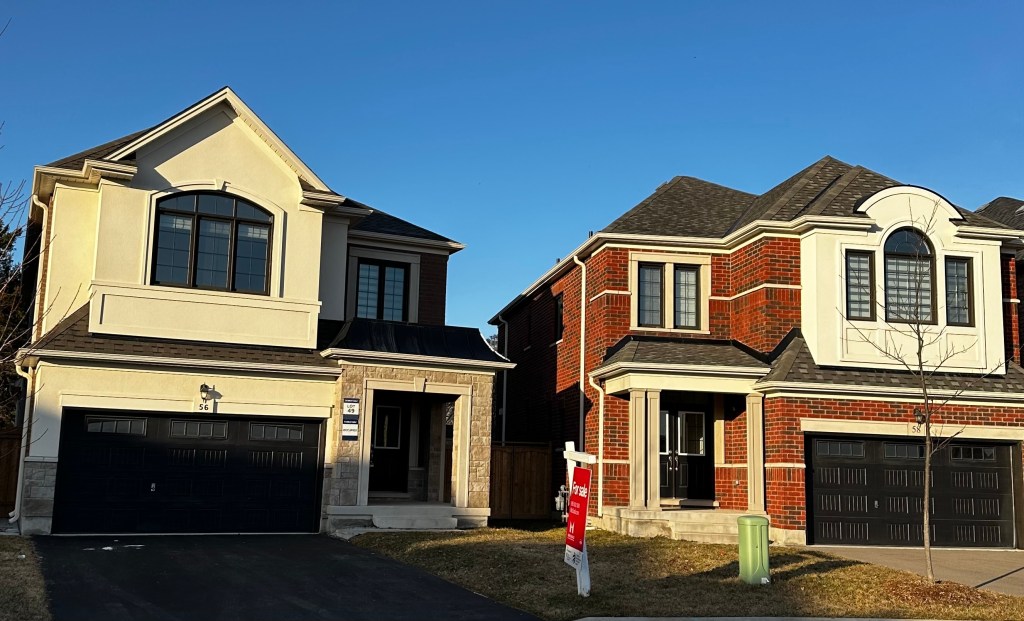
Good afternoon, everyone.

I hope you’re staying dry on this rainy day. Today, I want to discuss a property listing that has been on my mind for quite some time—not just because of its prolonged presence on the market, but because of the broader lessons it offers about real estate pitfalls.

What bothers me most is this: In the same neighborhood, countless houses have been listed and sold promptly. If they didn’t sell within a reasonable time, the listings were withdrawn—yet these two properties remain, defying the trend. Now, they risk becoming stigmatized listings—homes that buyers avoid simply because they’ve sat unsold for too long, sparking suspicions of hidden flaws or desperate sellers.

The listing in question (pictured) is a prime example of how overpromises, misplaced trust, and a lack of due diligence can turn a straightforward sale into a cautionary tale. Let’s break down why this property has struggled to sell—and what buyers and sellers can learn from its story.

The real estate market is often seen as a realm of opportunity, but it can also be fraught with pitfalls—especially when trust is misplaced, and due diligence is neglected. A recent listing in my neighborhood serves as a cautionary tale, revealing critical lessons for buyers, sellers, and investors alike.

The Story of House #56 and #58: A Case of Failed Promises

The property in question—House #56—is currently listed by a well-known realty brokerage that boldly claims, “We’ll buy the property if it doesn’t sell!” At first glance, this seems like a strong guarantee, but the history of this property (and its neighbor, House #58) tells a different story.

Both houses belong to the same owner, who appears to be facing financial distress. House #58 was initially listed by a Muslim female realtor but remained unsold for over a year. The owner then switched to another Muslim realtor who markets himself as a “real estate don” with a promise to purchase unsold listings. Yet, even under this Celebrity Realtor’s (he loves to be called it) representation, House #58 failed to sell and was eventually pulled off the market.

Now, House #56 has been listed for over six months with no success. The prolonged market exposure has likely stigmatized the property—buyers are wary of homes with long listing histories, assuming there must be something wrong.

The Big Question: Does this Celebrity Realtor Really Buy Unsold Listings?

This Celebrity Realtor’s promise raises skepticism. If his guarantee were genuine, why hasn’t he purchased House #56 or #58? The reality is that such claims may be more marketing gimmick than solid assurance. Sellers should be cautious of bold guarantees that aren’t backed by clear contractual terms.

Key Lessons for Buyers and Sellers

1. Don’t Choose an Agent Based on Religion, Culture, or Community Ties

The owner of Houses #56 and #58 switched from one Muslim realtor to another, possibly assuming shared background would ensure better service. However, competence, market knowledge, and negotiation skills matter far more than shared ethnicity or faith. Other homes in the same neighborhood are selling—just not these two.

Lesson: Hire professionals based on track record, not personal connections.

2. Beware of Closed Networks (Realtor + Mortgage Broker + Inspector)

A dangerous trend in real estate is the “closed network”—where a realtor refers clients to their preferred mortgage broker, home inspector, or lawyer. While convenient, this can lead to conflicts of interest.

  • Inspection Failures: A Toronto buyer sued their realtor after discovering severe defects in their home—defects that the realtor’s “trusted inspector” had missed.
  • Mortgage Traps: Some buyers with strong finances were steered into expensive private mortgages by brokers within the same network, costing them thousands in extra interest.

Lesson: Always seek independent professionals. Never skip a proper inspection or rely solely on referrals from your agent.

3. Verify Everything—Don’t Blindly Trust

Many buyers, especially first-timers, assume that because their realtor is a friend or community member, they won’t be misled. Unfortunately, financial incentives can override loyalty.

  • Skipping Inspections: Buyers spending millions on a home often hesitate to spend $300 on an inspection, believing their agent’s assurances.
  • Ignoring Legal Docs: Some forego condo status certificates or land surveys, only to face costly surprises later.

Lesson: Trust, but verify. Pay for inspections, review condo documents, and get a land survey. These small costs prevent massive losses.

Final Thoughts: Protect Yourself in a Complex Market

The real estate market is cooling in many areas, and sellers must price realistically while buyers must conduct thorough due diligence. The saga of House #56 and #58 highlights:

  • Overpromises mean little without proof.
  • Networks can be traps if not scrutinized.
  • Independent verification is non-negotiable.

Whether buying or selling, approach real estate with a business mindset—not blind trust. The right professionals will welcome your diligence rather than discourage it.The Bottom Line: If a deal seems too reliant on personal connections rather than hard facts, step back and reassess. Your financial future depends on it.

Post 3: How I Convince Clients to Buy Homes They Can’t Afford

Dr. Rajendra Panthee

Welcome back to my world, where dreams are for sale—and so is your financial stability. In my last post, I revealed how I connect with clients and build trust. Today, I’ll share my secrets for convincing clients to buy homes that are way beyond their budget. After all, my goal isn’t to help you find a home you can afford; it’s to help me find a commission I can’t resist.

Step 1: The Dream-Selling Technique

It all starts with selling you a dream. I’ll show you a beautiful, spacious home with a pristine backyard, a modern kitchen, and a walk-in closet big enough to fit your entire wardrobe. When you hesitate at the price, I’ll reassure you: “This isn’t just a house; it’s your future. And isn’t your future worth investing in?”

I’ll downplay the cost, emphasizing the “long-term investment potential” and the “equity growth” you’ll enjoy. I’ll even throw in some buzzwords like “seller’s market” and “low inventory” to make you feel like you’re missing out if you don’t act fast.

Step 2: The Fear of Missing Out (FOMO)

Fear is a powerful motivator, and I’m not afraid to use it. I’ll tell you stories about other clients who hesitated and lost their dream homes. “Just last week,” I’ll say, “a couple waited too long, and now they’re stuck renting. Do you want that to be you?”

I’ll also create a sense of urgency by mentioning “multiple offers” or “interested buyers.” Whether it’s true or not doesn’t matter—what matters is that you feel the pressure to act now.

I’ll always tell you ‘buy now, think later’ – because who needs logic when I need commission? High interest rates? ‘Perfect time to buy – most people can’t even qualify!’ Low rates? ‘Prices will skyrocket soon!’ My job isn’t to help you make smart decisions – it’s to make sure you panic before you realize what a terrible deal you’re getting. That fear of missing out? I brew it fresh daily. ‘Buy today or you will never be able to buy!’ Remember: your poor financial choices are my early retirement plan.

Step 3: The Budget Stretch

When you finally bring up your budget, I’ll nod sympathetically and then gently push you to “stretch a little.” I’ll remind you that “you can always make more money, but you can’t make more time.” I’ll even suggest creative financing options, like borrowing from family or dipping into your retirement savings.

Step 4: Why Show You a Good Deal When I Can Show Myself a Bigger Commission?

Welcome to the realtruth about house hunting—where your dream home is secondary to my dream paycheck. When I show you a house, rest assured—I’ve already vetted it for maximum co-op percentage.

If the selling brokerage dares to list a reasonably priced home while cutting into my precious commission, you’ll never even know it existed. Meanwhile, the house is perfectly fine—it’s just that my paycheck would be slightly less ridiculous, and we can’t have that. My Golden Rule: If My Commission Shrinks, So Does Your Interest. If, by some tragic accident, you do stumble upon a well-priced home with a lower co-op fee, fear not—I have a foolproof method to steer you away.  The Bottom Line: Why would I show you a fair deal when I can show you an overpriced gem—one that you stretch your budget for and Istretch my bank account with? Your financial stability is temporary. My commission is forever.

By the time I’m done, you’ll feel like buying this house isn’t just a good idea—it’s the only idea. And that’s exactly where I want you.

Post 2: How I Hook, Line, and Sinker My Clients: The Art of Connection

Dr. Rajendra Panthee

Welcome back to my world, where charm is currency, and trust is a tool. In my last post, I introduced myself as the real estate agent who’s more interested in commissions than clients. Today, I’ll pull back the curtain on how I connect with the community and turn innocent bystanders into paying customers.

1. The Friendly Neighbor Act

The first rule of real estate is simple: be everywhere. I’m not just an agent; I’m a community staple. You’ll find me at school events, charity runs, and even your cousin’s wedding. I’m the guy handing out business cards with a smile, the one who always remembers your name (and your dog’s name, too). Why? Because trust is the foundation of my business. If you trust me, you’ll believe me when I tell you that the crumbling house on the corner is a “fixer-upper with potential.”

But it’s not just about being present; it’s about being relatable. I’ll share stories about my “struggles” as a single parent, my “passion” for volunteering, and my “love” for the community. Spoiler alert: most of it’s fabricated. But hey, if it gets you to trust me, it’s worth it.

2. The Social Media Guru

In today’s digital age, social media is my playground. My Instagram is a carefully curated gallery of me holding puppies, volunteering at shelters, and smiling like I’ve never met a commission I didn’t like. My captions are filled with hashtags like #CommunityFirst and #JustHereToHelp. But behind the scenes, I’m calculating every post, every like, and every comment to ensure maximum engagement.

I’ll even share “heartwarming” stories about helping clients find their dream homes. What I won’t share are the countless times I’ve talked clients into buying homes they couldn’t afford or glossed over major flaws in a property. But hey, that’s what filters are for, right?

Bonus Social Media Ad:
Have you seen my Facebook posts on “back-to-back deal close”? Back-to-back deal close tells you how many deals I’ve sealed in record time. Do you think it’s easy to do? No. For that, I always have to go way above the listing price when I’m helping my client to buy a house and way below the listing price when I’m helping to sell the property. Since I’m giving cash back and other incentives to my clients, it’s more than okay to do it. My clients don’t care about anything else when they get cash back and incentives—even if buying a good property at a reasonable price would outweigh my cash back and other incentives. If my clients are happy, who the hell are you to care about my deal-making art?

3. The Free Seminar Scam

One of my favorite tactics is hosting free seminars or workshops. I’ll advertise them as educational events for first-time homebuyers or investors. The truth? They’re just elaborate networking opportunities. I’ll dazzle you with buzzwords like “equity growth” and “investment potential,” all while subtly steering you toward properties that benefit me the most.

By the end of the seminar, you’ll be so impressed by my “expertise” that you’ll forget to ask why I’m offering this advice for free. (Hint: it’s not out of the goodness of my heart.)

4. The Referral Game

Once I’ve hooked you, I’ll exploit your network. I’ll ask for referrals with a smile, promising discounts or incentives I’ll never deliver. Your friends trust you, and I trust you to bring them to me. It’s a win-win—for me, at least.

1.   The Charity Charade

Finally, there’s the charity charade. I’ll sponsor some jerseys for tournaments, but they’ll have my name on them, and the athletes will essentially become walking advertisements for me. It doesn’t matter if people think all those athletes are actually me—what matters is that my name is out there. I’ll also donate to community causes and even organize community clean-ups. But let’s be real: I’m not doing this out of altruism. I’m doing it to build goodwill and position myself as a pillar of the community. And while you’re thanking me for my “generosity,” I’ll be handing you my business card.

6. My Incentives: The Ultimate Hook

I advertise myself as the best realtor in my community. When clients compare me with realtors from other communities, I scare them with tales of linguistic differences and hard-to-deal-with situations. When they compare me with realtors from my community, I show that I have better incentives than anyone else.

Here’s the deal: I give 1-1.5% cash back if they buy or sell property through me. On top of that, I’ll buy gifts for their housewarming party. But the real kicker? Buying or selling property with me is connected to someone very special—me. It’s not just a transaction; it’s an experience. And who doesn’t love cash back and free stuff?

Conclusion: A Call for Change
While this post is written in jest, the unethical practices it highlights are all too real. As a community, we must demand transparency, honesty, and accountability from real estate professionals. After all, a home is more than a transaction—it’s a dream, a sanctuary, and a lifetime investment.

So, the next time you meet a real estate agent who seems too good to be true, remember: not everything is as it seems. And if you ever need help navigating the murky waters of real estate, just remember my motto: “Trust no one—especially me.”

Post 1: Confessions of a Rogue Real Estate Agent: Who I Am and What I Do

Dr. Rajendra Panthee

When you think of a real estate agent, you probably picture someone friendly, trustworthy, and eager to help you find your dream home. Well, let me introduce myself—I’m the agent who shatters that stereotype. I’m not here to help you; I’m here to help myself. My name doesn’t matter (let’s call me “Mr. Slick”), but my mission does: to turn your home-buying dreams into my commission checks.

How I Became a Realtor

I didn’t come to this field because I had a deep passion for real estate or a wealth of knowledge about property markets. No, I came because I saw people making money—lots of it. And I wanted a piece of that pie.

Now, you might think becoming a real estate agent requires hard work, studying, and passing rigorous exams. And in some places, maybe it does. But in some places? Let’s just say there are… shortcuts.

I was tired of working manual, low-paid jobs, so I chose the easy way out. Do not ask whether I bought test questions for a good amount of money or if someone else wrote the exam for me. Let’s just say I passed, and that’s all that matters. After all, in this business, it’s not about what you know—it’s about who you can convince.

My ‘Unique’ Communication Skills

You might also think that being a real estate agent requires excellent communication skills, a deep understanding of real estate rules, and city bylaws. Well, let me stop you right there. I didn’t come to this field because I’m a great communicator or a legal expert. I came because I saw an opportunity to make money—and I don’t need to know the rules to do that.

Sure, I might not be able to explain the intricacies of zoning laws or the fine print in a purchase agreement, but that’s not my job. My job is to make deals. And if that means convincing you to pay an unreasonable price for a property, so be it. After all, I’m not the one buying it—you are.

The Art of Making Customers

To build my clientele, I’ve mastered the art of being everywhere. I attend cultural programs, organizational events, and even sports tournaments. I’ll invite you to Tim Hortons or a local restaurant, casually bump into you on your daily route, and make you feel like I’m the best real estate guy out there.

But it doesn’t stop there. I’ve strategically positioned myself as a board of director or advisor in various community organizations. Why? Because it gives me access to you. You’ll see me at every event, shaking hands, smiling, and handing out business cards. I’m not just a realtor; I’m a community staple. And if that means I have to join every organization in town, so be it.

The Support System: My Community Leaders

Realtors work in pretty much the same way, but I’m lucky because doing business in my community is incredibly easy. Why? Because my community leaders help me advertise me as a great realtor. As long as I keep them happy, they’ll keep promoting me.

Now, you might think that being a realtor comes with some level of accountability. After all, there’s a governing body that’s supposed to keep us in check. But here’s the thing: I don’t have to worry about criticism from my community for my potential unethical and unskilled practices. If someone complains about my manipulative tactics, my community leaders will blame you for not doing your research instead of blaming me.

The Nepalese Student Example & Its Inference 

Take, for example, the educational consultancies that brought so many Nepalese students to Canada by selling them illusions. Did you hear anything against those consultancies when Nepalese students suffered financial hardships due to a lack of jobs and other resources? No. But you’ve seen my community leaders always talk about helping international students here in Canada, right?

My community leaders are very powerful, and they know how to make everyone happy. Do you remember when they asked the Nepalese embassy to issue a notice warning students and their parents to come prepared? They did this because the promises made by these consultancies were, well, lies.

The exemplary personalities in my community do the same thing. They can’t risk losing their chances of being recognized as an exemplary personality and invited as chief guests to deliver keynote speeches by criticizing these social wrong doings. Everything operates this way in my community, and there’s no need to worry—unless you’re on the receiving end of these manipulations.

But here’s the kicker: when the hardships faced by international students came to light and people and students themselves complained about their struggles, the community leaders didn’t blame even a bit to the educational consultancies for selling false dreams because they all had their own businesses to protect. Instead, they blamed the students for not doing enough research and preparation before coming to Canada. And the same logic applies to you. If you complain about my potential unethical and unskilled practices, my community leaders will say, “You should have done your research before entering into a deal.”

So, don’t ask me what happens to those who complain against entrepreneurs like us. Let’s just say it’s not pretty.

A Note to the Realtors from My Community

Let me make one thing clear: I know my reach is mostly limited to my community. My communication skills, or lack thereof, and a few other quirks keep me grounded here. But that’s fine by me. Once I shake hands with someone from my community, they’re my client—no exceptions. If any other realtor dares to show them property, well, let’s just say we’ll have a little chat on your way back from the showing.

And don’t get a headache when my clients pay what you might call an “unreasonable” price for a property. They’re happy with my cash-back offers and my generous lending terms when they fall short on the down payment. Sure, the interest rates might be a tad high, but hey, I’m here to help—myself, that is.

So, to my fellow realtors: tread carefully. My clients are my territory, and I don’t take kindly to poachers.

Conclusion

At the end of the day, I’m not here to play the hero or follow some moral compass. I’m here to make money, and I’ve found a system that works—for me. If you’re not careful, you might just find yourself on the wrong side of my deals. So, do your research, ask questions, and maybe think twice before shaking my hand. After all, in this game, the only person looking out for you is you.

(A Quick Note to Readers: This post is written in a satirical and humorous tone. While it may highlight some uncomfortable truths about the real estate world (and beyond), it’s all in good fun. My next real estate related post will be on how I hook people for my deals. You won’t want to miss it!)

Mortgage Debt and Housing Crisis

Another reason of housing bubble is mortgage debt! When interest rates were historically low during the Covid-19 period, people easily qualified for mortgages. And, many buyers were in the real estate market and bought homes. When everyone wanted to buy, house prices went up. Do you remember house prices from the end of 2021 to May 2022? People say that house prices can never rise to that point. Do you think the value of the house has gone up since you and your partner bought a house to live in? If you think so, you are wrong. As speculators saw the potential to make money in that hot real estate market, they bought many houses not to live in but to sell them later to make money. For example, you may have seen some houses in your neighborhood sell multiple times in a short period of time. Have you even heard of real estate agents involved in fixing home prices through artificial bidding at that time? Did you hear about some real estate client suing real estate agents for bidding wars? I have heard and read about them all. Were all those things there when the real estate market was hot?

Now let’s come back to today's topic! Another cause of the housing bubble or housing crisis is mortgage debt! When interest rates are low, people pay historically high prices to buy homes. Then, the government should control it and to control inflation in general and house prices in particular, the government raised interest rates. Then, what happens? Businesses slowed or stopped, people lost jobs and people found it difficult to buy food for their family members. And people found it difficult to pay their mortgages. Analysis by the Royal Bank of Canada shows that Canadian housing is less affordable/affordable than it has ever been. By 2023 Canada's non-financial debt will exceed 300% of GDP and domestic debt will exceed 100% of GDP, both higher than levels seen in the United States before the 2008 global financial crisis. And the mortgage loan increased! According to a report by the Canadian Mortgage and Housing Corporation (CMHC), Canadian mortgage loans totaled $2.16 trillion – up 3.4 per cent from the same period last year. High interest rates and uncertainty over the central bank's plans to cut key interest rates led to lower home sales and softer prices in many areas. This is the current situation. RSM Canada economist Tu Nguyen says it's not surprising that housing market activity has slowed. Imagine when more people can't pay their mortgages and the banks take over their property. Imagine when more people can't pay their mortgages and the banks take over their property. Then, there will be no house sales and there will be no new projects. This means the housing bubble may burst soon and the housing market will crash if Canadian government will stop protecting the housing market in future! (My next post will be on another reason of housing bubble!)

Interest Hikes and Housing Bubble Burst

Another reason for housing bubble or housing crisis is interest rate hikes. If interest rates are low, housing bubbles often get even bigger. At lower rates people can buy larger mortgages, increasing demand and driving up prices. Buyers may take out risky loans, ignoring warning signs like rising interest rates or a shrinking economy. And then there’s the herd mentality. People see big money being made in the real estate market and so do other people. A real estate shopping frenzy ensues. When people are in a bubble they think the market will never change! For example, when the Bank of Canada cut interest rates during Covid in 2020, house prices skyrocketed by May 2022.

When there is too much inflation and house prices are too high, it needs to be controlled to cool down inflation and the housing market. The Bank of Canada raised interest rates in July 2017 for the first time in seven years, slowing the housing market as Canada’s biggest banks raised interest rates. And, the biggest interest increase comes in 2023. The Bank of Canada raised interest rates by 100 basis points in 2023 to curb inflation, the largest increase since 1998. The governor of the Bank of Canada said the increase was necessary to prevent high inflation from stifling. The governor had said that the interest rate will be reduced to 2 percent. On the other hand, according to economists, it was a gamble by the Bank of Canada, that inflation had factors other than the housing market (such as the war in Ukraine, supply chain issues and so on) that were beyond the Bank of Canada’s control. According to economists, this would certainly reduce inflation but not immediately. Whether or not it controlled the price of food, oil, it certainly controlled the housing market. The rising rates certainly affected those who took out mortgages for home purchases and took out new loans. According to economists, this would certainly reduce inflation but not immediately. Whether or not it controlled the price of food, oil, it certainly controlled the housing market. The rising rates certainly affected those who took out mortgages for home purchases and took out new loans. We can see that when the Bank of Canada starts raising interest rates from July 2022 and home prices start to cool. Yes, interest rate hikes in 2022 and 2023 have certainly cooled the market, although they have not burst the housing bubble. If interest rates rise sharply, it can become more expensive to get a mortgage, which can reduce demand for houses and condos. Now people are not ready to go to the real estate market! Yes, the housing market has definitely cooled but not cracked yet! The housing bubble has yet to burst and a housing crisis could happen at any time. (My next post will be on another mortgage loan!)

Short Housing Supply: A Contributing Factor of Housing Bubble in Canada

Canada, especially Greater Toronto Area (GTA), has a lack of housing supply! No matter where land for the first time as immigrants or live in general, they want to settle down in GTA since Toronto is the financial capital of Canada and there are more job and enterprenual opportunities than other places in Canada. According to Financial Post, “Among the G7m Canada has the lowest average housing supply per capita with 424 units per 1,000 people, which places the country behind the United States and the United Kingdom. France, by comparison, leades the G7 at 540 units per 1,000. The pandemic, which allowed households to accrue record savings and saw unprecedented stimulus measure, stoked the country’s hot housing market and has pushed it into frothy territory over the past two years”. CMHC warned back in 2022 that Canada will need 5.8 million new homes by 2030 to tackle affordability crisis (CBC News). Yes, they like to build more houses, however, there is a complex time-consuming approval process. According to Amborki, it can take eight to ten years to go from acqiring undeveloped land to building houses. Most importantly, it is very hard to get land in or close to Toronto area.

Canadian government has done something for the housing affordability. And, it has recently (from April 1, 2023) announced First Home Saving Account (FHSA) and it is a registered plan allowing you, as a prospective first-time home buyer, to save for your first home tax-free (up to certain limits). And, it has prohibited on the purchase of residential property by non-Canadians Act. And, it has initiated a vacancy tax at federal, provincial and municipal in some cases. No matter what the government is doine, it shows that it is easier said than done.

Experts say that Canada is sitting on the larguest housing bubble ever! And they believe that bursting of the bubble is inevitable. Even is the economic crisis in US in 2008, Canadian housing market did not crash. It only went to -9.2% low and it recovered quickly. They say that Canadian housing market has not seen that correction yet. After the recession in 2008 the banks around the world lowered the interest rates to very low as a result, it became very easy to get a mortgage and buy a house until 2022.

As a result, many investors took that money and invested in the real estate because the investment in the real estate had a track record of generating income from the investment. As a result, on the one hand there are houses that belong to investors that are empty, on the other hand there not enough houses for other people to live. As a result, when those people who do not have homes want to buy one, there are not enough homes available in the market. Property prices in the market are skyrocket, when so many people want to buy a property. Rapidly rising prices of assets lead to volatile prices. As a result, a huge bubble has been created for a long time and especially after covid-19! Experts say Canada is living in the biggest housing bubble ever! And they believe that the bursting of the bubble is inevitable. (My next post will be in interest rate and housing bubble!)

Toronto Condominium Market

I liked to go back to what I said about condominium and freehold prices recently. Yes, the price of condo is going low because of oversupply in the market. The price of freehold is going up at least in the prime locations in Toronto. Yes, it is also true that if the freehold price keeps climbing, people will start thinking about a condominium because of condo price and their own budget. It is very possible soon. If you think let me go ahead buy a condo and live in it for now, please do not buy unless you plan to live in it at least for 5 years. There is a possibility of price going even lower in the days to come. There is so much supply of both freehold and condominium in the market right now. Maybe it is because of summer. There are more listings in the summer compared to winter and buyers have more choices in terms of prices and everything else. You even heard from me that it is not a good time to sell the house. But it is also true that real estate is not going to improve in any time soon. The conclusion is do not sell your property unless it is absolutely necessary. No one knows what you need to do better than you yourself! 

Bank of Canada Interest Cuts and Expert Views on Canadian Real Estate Market

How is real estate market after the latest interest cut by the bank of Canada? What do real estate experts say about the interest cut and its aftermath? We find mixed feelings when we listen to those experts in the field. According to The Globe and Mail article, Royal LePage president predicts 'real lift’ in home sales after Bank of Canada cut the interest rate. However, John Pasalis, one of the real estate practitioner and researcher does not think so. He does not think so since there will be any sales increase until next year because right now the interest rate is very high. On the other hand, John Flynn, another real estate practitioner and researcher says that nothing is going to happen after the interest rate cut as whatever had to happen has already happened before the rate cut. Yes, there is a gradual improvement for freeholds right now. It does not mean that the price will drastically go up after the rate cut for the freehold. Condo market is down right now. The sellers of the vacant condo rush to sale and you may get for even low price. And, the buyers are reluctant to buy the rented condo for various reasons. Stay informed and use your rational before you rush to invest in real estate after listening to people.

Easing of Inflation and Canadian Housing Market

“If inflation continues to ease, and our confidence that inflation is headed sustainably to the 2-per-cent target continues to increase, it is reasonable to expect further cuts to our policy interest rate. But we are taking our interest rate decisions one meeting at a time.” Mr. Macklem said. The Bank of Canada is the first G7 central bank to start easing monetary policy. The European Central Bank is expected to follow suit on Thursday, while the U.S. Federal Reserve, which is dealing with a stronger economy and more stubborn inflation, is expected to hold off rate cuts until later in the year. 

The next meeting is on July 24, six weeks from now. This interest rate cut is like “finally, the interest rate is not going to increase.” Nothing more than that.  Looks like this rate cut is not going to bring any momentum in a near future. Since the current inventory dictates price of a house for at least 90 days, there is more than enough inventory in the GTA housing market. Based on the current listing, free hold market may go up whereas condo market will stay same or go down until the current inventory is cleared up since there is too much inventory in the condo market.