
Dr. Rajendra K Panthee
I recently listened to an episode of the Angry Mortgage Podcast that stayed with me, especially when I thought about how many people in the GTA and beyond have put their savings into condominiums. For many investors the plan seems simple enough. Buy a condo, rent it out, let the tenant cover most of the mortgage, and wait for the property to appreciate.
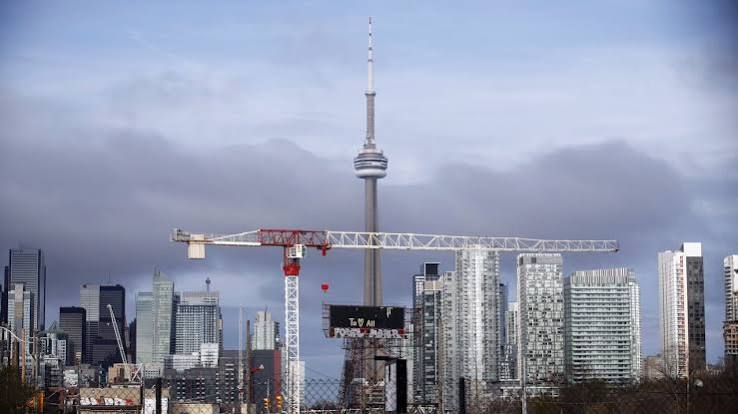
Most of the current conversation about GTA condos centres on falling prices, high interest rates, weak rental returns, pre-construction buyers who cannot close, and owners forced to sell. Those problems are serious. The case discussed on the podcast points to a different one, which is what happens when the condominium corporation itself runs into financial trouble, and the building’s governance comes into question.
According to the podcast, a property management company connected to a group of Ontario condominium properties has faced bankruptcy proceedings, with millions of dollars reportedly owed to creditors. The debts allegedly include unpaid bills to electricity and water providers, insurers, elevator service companies, garbage collectors and snow-removal contractors. The total was reportedly around $5 million.
If those allegations are accurate, this goes well beyond an accounting problem. It raises the question of whether the buildings can keep running normally.
When you buy a condo, you own your unit, but your investment depends on a much larger system. Someone has to maintain the elevators, heat the building, clear the snow, collect the garbage, look after the common areas and keep the insurance in place. Someone also has to pay all the bills. That only works if the condominium corporation is financially healthy.
A building can look fine from the outside while serious problems build behind the scenes. Picture an investor who bought because the price looked attractive and the spreadsheet made sense. The tenant pays rent every month and the mortgage gets paid. Then an elevator stops working, the garbage piles up, and a contractor refuses to come back because earlier invoices were never paid. The building’s insurance becomes uncertain. At that point, the value of the unit no longer depends only on what another buyer will pay. It depends on whether the whole building functions.
The podcast raises these concerns directly, including the worry that essential contractors might stop servicing buildings if they are not paid. For someone living on the tenth floor, a working elevator is a basic necessity. For an investor, it helps protect the value and livability of the asset.
Most buyers focus on the purchase price, monthly condo fees, mortgage payment, expected rent, property taxes and projected appreciation. Those numbers matter, but they leave out a lot. Investors also need to look at the health of the condominium corporation itself. How much is in the reserve fund, and are the condo fees high enough to sustain it? Are there large outstanding liabilities, major repairs on the horizon or special assessments coming? Can you get the financial statements? Are there disputes with contractors? Is the property manager on solid financial footing?
The most important question may be who is actually making decisions on behalf of the unit owners.
The podcast raises a serious governance concern on this point. According to the discussion, an individual connected to the developer allegedly also controlled the property management company and the condominium boards, while the people who bought the units had no meaningful representation on those boards. Whether those allegations hold up is for regulators and courts to decide. Still, the governance issue deserves attention on its own.
A condominium corporation is supposed to represent the unit owners. When the same people or related entities influence development, management, rental operations and governance, investors should understand exactly how those relationships work. They should know who owns, who manages, who controls, who gets paid and who is accountable. These questions can directly affect someone’s life savings.
One of the most striking suggestions in the podcast is that investors kept receiving rental income even while large debts were allegedly piling up elsewhere in the system. A rental property can look like it is performing well simply because the rent arrives every month. Cash flow today does not tell you whether the underlying asset is financially sound. An investor might look at the bank account and conclude that everything is fine, but a paid rent cheque and a financially sustainable building are separate matters.
Tenants also deserve attention here. The podcast repeatedly stresses the potential impact on the thousands of tenants living in affected properties. If electricity, water, heating, elevators, garbage collection or snow removal are disrupted, tenants can end up in a very vulnerable position. Many of them had nothing to do with the financial decisions behind the problem. They rented an apartment, and they may feel the consequences first. That makes a condo crisis a housing, consumer-protection and community issue as well as an investment story.
I do not think the takeaway is to never buy a condo, and I am not suggesting that every condo corporation or property manager is heading for bankruptcy. The point is simpler. A condo purchase is more than the purchase of a unit. You are also buying into a corporation, a governance structure, a management system and a shared financial obligation.
Existing owners may want to take a closer look at their own condominium corporation. Read the financial statements and understand the reserve fund. Find out whether major repairs or special assessments are coming. Know who sits on the board and who manages the building. Pay attention to any significant legal or financial trouble involving the corporation or its management. None of this is exciting, but it may matter far more than watching the daily movement of condo prices.
The GTA market has spent years encouraging people to see real estate as one of the safest investments around, and for many that belief became almost automatic. Every investment carries risk, though. A condo brings market risk, interest-rate risk, rental risk, construction risk, regulatory risk and management risk. Sometimes the biggest risk sits outside your unit, in the system around it.
The situation discussed on the Angry Mortgage Podcast is worth watching, especially for anyone who has bought GTA condos or condo conversions as rentals. One troubled case does not represent every condominium in Ontario. It does remind us of something investors can easily forget. When you buy a condo, you are not investing alone. You become part of a shared financial and governance system, and when that system fails, the consequences can reach well beyond the walls of your own unit.
