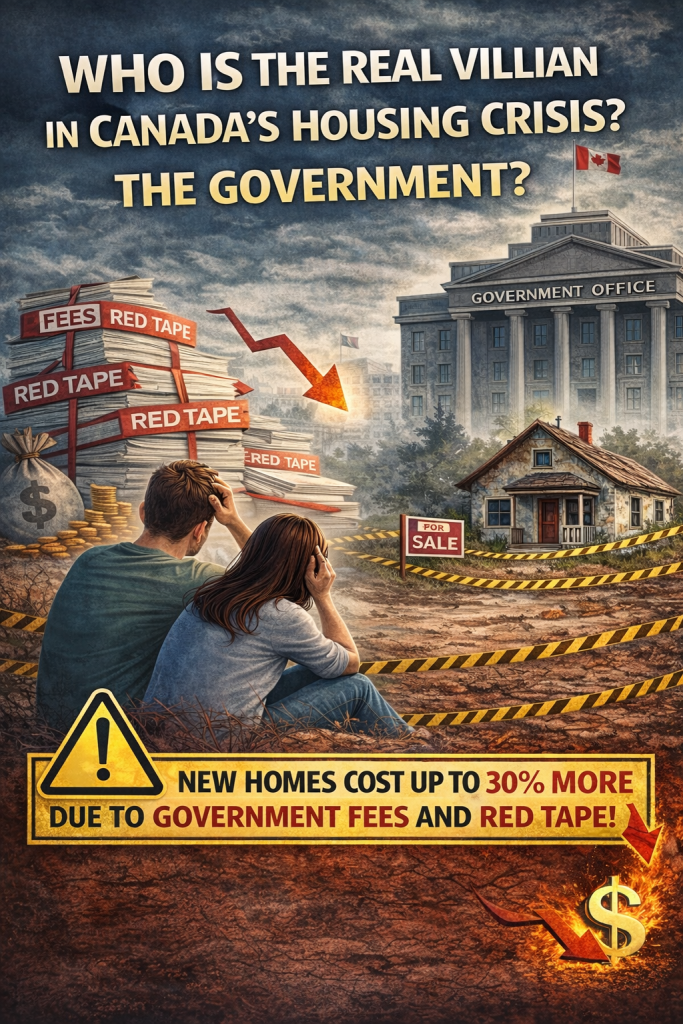
Nepal’s Crisis Demands Democratic Maturity, Not Miracle Leaders

नेपालको संकटले चमत्कारी नेताहरूको होइन, लोकतान्त्रिक परिपक्वताको माग गर्दछ

हिन्दी चलचित्र Nayak: The Real Hero को कथामा एक साधारण पत्रकार एक दिनका लागि मुख्यमन्त्री बन्छ र २४ घण्टामै भ्रष्टाचार सफा गर्छ, अपराध नियन्त्रण गर्छ र प्रणाली नै बदलिदिन्छ। यो कथा प्रेरणादायी लाग्छ। तर लोकतन्त्र चलचित्र होइन। वास्तविक जीवनमा शासन २४ घण्टाको चमत्कारबाट होइन, संस्थागत प्रक्रिया, कानुनी सीमाना र दीर्घकालीन नीतिबाट चल्छ।

आजको नेपाली राजनीतिक सन्दर्भमा पनि यस्तै “नायक” मानसिकता देखिन्छ। कतिपय समर्थकहरूले Balen Shah वा Rabi Lamichhane जस्ता व्यक्तिहरूलाई एउटै शक्तिशाली, इमानदार व्यक्तिले पूरै प्रणाली छिट्टै बदलिदिन सक्छ भन्ने अपेक्षासहित हेर्छन्। विशेषगरी Rastriya Swatantra Party (RSP) का सन्दर्भमा “अब आए नायक, सबै समस्या गायब” भन्ने धारणा सामाजिक सञ्जालमा प्रबल देखिन्छ।तर यहीँ “नायक भ्रम” (Nayak fallacy) खतरनाक हुन्छ।

नायक भ्रम केवल अवास्तविक मात्र होइन—लोकतन्त्रका लागि खतरनाक पनि हो।

यो भ्रम नयाँ दल र नयाँ नेताका अनालोचनात्मक (uncritical) समर्थकहरूका लागि अत्यन्त आकर्षक देखिन्छ। जब कुनै पार्टी वा नेताले आफ्ना वाचा पूरा गर्न सक्दैन, त्यही अनालोचनात्मक भीडले उनीहरूले लगाएको हरेक आरोप—“संस्था बाधक भयो”, “पुराना दलले षड्यन्त्र गरे”, “प्रणालीले काम गर्न दिएन”—सबै कुरा सजिलै पत्याइदिन्छ। विशेषगरी पुराना दलहरूप्रति निराश भइसकेका नेपाली मतदाताहरू अहिलेको अवस्थालाई हेर्दा यस्तो नायक–मानसिकता सबैभन्दा सजिलै किन्ने समूह बन्न सक्छन्। Rastriya Swatantra Party र यसको नेतृत्वप्रति देखिएको क्रेज, खासगरी Rabi Lamichhane र Balen Shah वरिपरि बनेको व्यक्तिपूजात्मक उत्साह, यही प्रवृत्तिको उदाहरण हो।

जब नेताहरूले आफूले पूरा गर्न नसक्ने चमत्कारी वाचा गर्छन्, लोकतन्त्र दुई दिशाबाट संकटमा पर्न सक्छ:

१. संस्थागत अवरोधलाई बहाना बनाएर अधिनायकवादतर्फ झुकाव

यदि अदालतले कुनै निर्णय रोक्यो भने—“अदालत विकासविरोधी छ” भनेर कमजोर बनाउने प्रयास हुन सक्छ। यदि संसदले छलफल र सहमति माग्यो भने—“जनताको काममा अवरोध” भन्दै प्रक्रियालाई बाइपास गर्ने प्रवृत्ति बढ्न सक्छ। यदि मिडियाले प्रश्न उठायो भने—“नकारात्मक प्रचार” भन्दै मिडियामाथि आक्रमण हुन सक्छ।

यसरी “दक्षता” (efficiency) को नाममा लोकतान्त्रिक संस्थाहरू क्रमशः कमजोर पारिन्छन्।

२. चमत्कार नहुँदा लोकतन्त्रमाथि नै अविश्वास

जब कथित “इमानदार बाहिरिया” नेताले पनि रातारात परिवर्तन गर्न सक्दैनन्, नागरिकहरूले निष्कर्ष निकाल्न सक्छन्—“लोकतन्त्र नै काम नगर्ने प्रणाली रहेछ।” त्यसपछि जनतामा यस्तो भावना जन्मिन सक्छ—“अब कडा हात चाहिन्छ, शक्तिशाली शासक चाहिन्छ।” यही निराशा र निन्दात्मक सोचले समाजलाई वास्तविक अधिनायकवादतर्फ धकेल्न सक्छ।

विश्व इतिहासले यसबारे चेतावनी दिएको छ। Rodrigo Duterte लोकप्रिय मेयरबाट राष्ट्रपति बने। छिटो परिवर्तनको वाचा गरे। तर लोकतान्त्रिक प्रक्रियाले तत्काल परिणाम नदिँदा न्यायबाहिर हत्या र संस्थामाथि आक्रमणको बाटो रोजे। Nayib Bukele ले सामाजिक सञ्जालको लोकप्रियता र युवाहरूको अन्ध समर्थन प्रयोग गरेर संवैधानिक सीमाहरू निलम्बन गरे र लगभग एकतन्त्रीय नियन्त्रण स्थापित गरे।

दुवैको सुरुवात प्रणालीप्रतिको असन्तुष्टिबाट भयो। दुवैले तीव्र परिवर्तनको वाचा गरे। तर जटिल समस्याको सरल समाधान नहुँदा लोकतन्त्र नै कमजोर बनाए।

यसको अर्थ नेपालका विगतका सरकारहरूले राम्रो काम गरे भन्ने होइन। दशकौँको भ्रष्टाचार, अक्षमता र शक्तिशाली वर्गको कब्जाले वास्तविक संकट सिर्जना गरेको छ। तर समाधान “एक इमानदार नायक आयो र सबै ठीक भयो” भन्ने जादुयी सोच होइन।

नेपालका चुनौतीहरू—कमजोर संस्था, संघीय संरचनाको जटिलता, भौगोलिक विकटता, जातीय विविधता, भूराजनीतिक दबाब, युवा पलायन—यी सबै समस्याहरू करिश्माई व्यक्तिको भाषणले होइन, दीर्घकालीन संस्थागत विकास, कानुनी सुधार, र निरन्तर सार्वजनिक उत्तरदायित्वबाट मात्र समाधान हुन्छन्।

लोकतन्त्रको सार “नायक” होइन—संस्था, प्रक्रिया र जवाफदेहिता हो।
चलचित्रमा एक दिनमै क्रान्ति सम्भव हुन्छ।
वास्तविक जीवनमा परिवर्तन धैर्य, नीति र संस्थागत परिपक्वताबाट मात्र सम्भव हुन्छ।

Home Purchase Failures in Ontario Are Up 500% — What Our Community Needs to Know?

I recently watched a podcast by mortgage expert Ron Butler discussing a troubling trend in Ontario’s real estate market: home purchase failures have increased by 500% compared to pre-COVID levels.

That number should make all of us pause.

What Is a “Purchase Failure”?

A purchase failure happens when a buyer signs a contract to buy a home — new construction or resale — but cannot close the deal on the agreed closing date.

In simple terms:
The buyer doesn’t have the money or cannot secure the mortgage needed to complete the purchase.

Before COVID, less than 1% of purchases failed. Today, that number is reportedly around 5% — and in new construction, some estimate it could be much higher.

Why Are Deals Falling Apart?

There are several major reasons:

1. Appraisal Problems (Especially New Construction)

Many buyers purchased pre-construction homes or condos in 2021–2022 at peak prices. Now that projects are completing:

  • Market values have dropped.
  • Appraisals are coming in far below the original purchase price.
  • Buyers must cover the difference in cash.

If you bought at $1.95M and the appraisal comes in at $1.525M, that’s a $400,000 gap you must cover. Many simply can’t.

2. Condo Market Reality

Some buyers purchased condos years ago at inflated prices, expecting appreciation or easy rental income. Today:

  • Comparable units are selling for less.
  • Higher interest rates mean negative monthly cash flow.
  • Rental income often doesn’t cover mortgage payments.

Some buyers are choosing to walk away from large deposits rather than close on a losing investment.

3. Mortgage Qualification Issues

In resale markets, failures are happening because:

  • Buyers couldn’t sell their existing home for the expected price.
  • Income was overstated or improperly assessed.
  • Job losses occurred before closing.
  • Buyers assumed pre-approvals guaranteed final approval (they don’t).

As Ron Butler bluntly stated: “The buyer doesn’t have the money.”

Why This Matters to Our Community

This is not about panic. It’s about awareness.

When purchase failures rise:

  • Sellers face uncertainty.
  • Builders face stress.
  • Buyers risk losing deposits.
  • Legal disputes increase.
  • Financing becomes stricter.

We are entering a market where leverage cuts both ways.

For years, rising prices hid risk. Today, falling values expose it.

If You’re Buying or Investing, Be Careful

Before signing anything:

  • Get a fully verified mortgage approval (not just a quick pre-qual).
  • Be conservative with projected sale prices.
  • Stress-test your finances at higher interest rates.
  • Understand appraisal risk.
  • Have liquidity reserves.
  • Read pre-construction contracts very carefully.

Speculation worked in a rising market. It is dangerous in a correcting one.

Final Thought

Real estate is not guaranteed to go up. It never was.

The goal is not to scare anyone — but to make sure our community members are informed. The people who survive market corrections are not the boldest. They are the most disciplined.

If you’re planning to buy, sell, or close on a property soon, now is the time to review your numbers carefully.

Awareness today can prevent disaster tomorrow.

Kantipur’s Balen Feature: Reading Journalism Through Its Silences

The most sophisticated way to read journalism isn’t merely to analyze what is written—it is to pay close attention to what is carefully, strategically left unsaid. Kantipur’s recent long feature on Kathmandu Mayor Balen Shah is, by conventional standards, an impressive piece of documentation. It traces his political journey from constitutional-era activism to his disruptive mayoralty and now to his growing national ambitions. It acknowledges controversies, administrative shortcomings, and raises legitimate questions about whether disruption at the municipal level can scale to national governance.

Yet it is precisely this apparent comprehensiveness that invites deeper scrutiny. When Nepal’s most influential establishment newspaper—one that spent years dismissing Balen as a “social media mayor”—suddenly produces an exhaustive, balanced profile at the exact moment he becomes electorally viable at the national level, the question is not simply what does the article say? The more important question is: what does it choose not to say, and why?

These silences are not accidental. They are rhetorical.

Silence as Power, Not Absence

Rhetorician Cheryl Glenn reminds us that silence is never empty. In her work on the rhetoric of silence, Glenn argues that silence functions as an active communicative force—it protects power, shapes legitimacy, avoids accountability, and guides interpretation without openly arguing anything. Institutions, especially powerful ones, often rely on silence not because they lack information, but because silence is strategically useful.

Reading Kantipur’s Balen feature through this lens reveals something crucial: the article’s power lies not in misinformation, but in selective omission.

The Missing Mirror: Media’s Own Role

The most striking absence in the feature is any serious self-reflection. The article is written as if Kantipur has always understood Balen’s political significance, merely documenting it now in fuller detail. There is no acknowledgment of the years during which he was treated as a novelty act rather than a serious political challenge. There is no examination of why tens of thousands of Kathmandu voters saw something the establishment media did not.

If this were fully honest journalism, the feature would have included a section titled something like: “Why We Got Balen Wrong.” That would require confronting uncomfortable questions: Why were his early interventions framed largely as authoritarian spectacle? Why were unverified accusations amplified while governance outcomes received less attention? Why did the media fail to recognize a structural shift in voter sentiment?

This silence serves a clear function. Acknowledging such misreading would undermine institutional authority. Instead, Kantipur performs what might be called narrative revisionism—rewriting the past as if skepticism never existed, thereby preserving credibility while adapting to new political realities. As Glenn would suggest, silence here works to protect institutional power.

The Money Question That Goes Unasked

Another conspicuous silence concerns political finance and business relationships. The article briefly mentions that Balen used a Land Rover Defender worth approximately NPR 4.2 crore during his campaign, borrowed from businessman Kamal Malpani of Timure Industries. This remarkable detail is presented without follow-up.

Why would a businessman lend such an asset to a mayoral candidate? What expectations, if any, accompany that support? Have any municipal decisions benefited related business interests? These are not “gotcha” questions—they are the foundation of democratic accountability journalism.

The absence of financial investigation is particularly striking given that transparency and anti-corruption form the core of Balen’s political brand. If those claims are robust, scrutiny should strengthen them. If such scrutiny is avoided, the silence itself becomes meaningful. As Glenn notes, silence often enables legitimacy by keeping inconvenient complexities out of public view.

The Strategic Minimization of Rabi Lamichhane

Perhaps the most politically consequential silence is the near-erasure of Rabi Lamichhane. In an 18-page feature about RSP’s prime ministerial prospects, the party’s founder and most prominent mass leader barely appears. This is not editorial oversight; it is narrative positioning.

By minimizing Rabi’s presence, the feature subtly frames Balen as the natural face of RSP’s national future, discouraging comparison, debate, or scrutiny of internal party dynamics. This silence matters because Rabi represents a more unpredictable challenge to establishment media. With a media background and a history of confrontation with Kantipur, his potential premiership carries greater institutional risk.

Balen, by contrast, is politically disruptive but media-naïve—less likely to challenge media power directly. Through silence, Kantipur may not be endorsing anyone outright, but it is shaping the field of acceptable political imagination.

The Absent Voices and the Policy Vacuum

The feature also avoids systematic engagement with municipal staff perspectives. Beyond headline conflicts, we hear little from those who actually work within Kathmandu Metropolitan City. Are they empowered reformers or reluctant executors? Is governance institutionalized or personality-driven? These questions determine whether Balen’s model can scale nationally—but silence keeps that ambiguity intact.

More striking still is the lack of substantive policy exploration. A long profile of a prime ministerial aspirant offers little insight into positions on federalism, foreign policy, economic strategy, or social justice questions. Silence here serves both subject and publisher: Balen remains broadly appealing, and Kantipur avoids alienating readers by forcing clarity.

Reading Through the Silences

None of this requires assuming a conspiracy. Institutional behavior rarely does. What we see instead is the cumulative effect of editorial caution, power preservation, access maintenance, and strategic adaptation. As Cheryl Glenn teaches us, silence often operates most effectively when it appears natural, neutral, or accidental.

Kantipur’s feature is not inaccurate. The facts presented are largely verifiable. But journalism’s responsibility is not only factual accuracy—it is contextual completeness. When omission consistently aligns with institutional interests, silence becomes a form of rhetoric.

The lesson extends beyond this single article. In moments of political transformation, media does not merely document change; it participates in shaping it. That participation often happens not through loud endorsements, but through quiet exclusions.

Kantipur’s Balen feature is valuable reading—but only if we listen carefully to what it does not say. In the politics of silence, absence is never neutral. It is power speaking softly.

Balen Shah’s March Toward Power: Nepal’s Lucifer Moment

Wherever Balen Shah campaigns, crowds materialize. The former rapper turned Kathmandu mayor draws thousands simply wanting to see him, a phenomenon unprecedented in recent Nepali politics. Current polling suggests he and his Rastriya Swatantra Party (RSP) are poised for sweeping victory in March 2026—even in Jhapa-5, where he faces KP Sharma Oli on the former prime minister’s home turf. After three decades of broken promises from traditional parties, Nepalis seem ready for wholesale change.

Yet his path is shadowed by accusations. Communist parties label him a foreign agent, compare him to Zelensky warning Nepal will become “another Ukraine” or “another Venezuela,” and some blame him for the September 24, 2025 Singh Durbar fire. Political analyst Sourav and UML leaders call him “Lucifer”—a metaphor more revealing than intended.

The Lucifer Paradox

In calling Balen “Lucifer,” UML likely means to paint him as destructive and malevolent. But Lucifer—literally “light-bearer” in Latin—represents the beautiful rebel who challenges divine authority and brings forbidden knowledge. Milton’s Paradise Lost portrays him declaring “Better to reign in Hell than serve in Heaven”—resonating uncomfortably well with Balen’s positioning.

The metaphor inadvertently captures his appeal: the rebel bearing light into a system that has kept citizens in darkness through decades of corruption and broken promises. UML’s use reveals their desperation—after thirty years rotating the same faces through power while delivering minimal change, they face electoral reckoning. By invoking Lucifer rather than debating governance, they signal Balen represents an existential threat to their entire political order.

Conspiracy Theories as Last Resort

Most revealing is the Zelensky comparison. UML warns Nepal will become a failed state like Ukraine under Russian invasion or Venezuela under economic collapse if Balen wins.

This comparison is geopolitically absurd. Zelensky’s Ukraine isn’t a failed state—it’s defending sovereignty against Russian imperial aggression. Putin’s invasion had nothing to do with Zelensky’s personality; Putin explicitly denies Ukraine’s right to exist as an independent nation, views predating Zelensky by decades. To blame Zelensky for Russia’s invasion is victim-blaming elevated to geopolitical analysis. Moreover, Nepal’s strategic situation bears no resemblance to Ukraine’s—both India and China benefit from Nepal’s stability, not its collapse.

The Venezuela comparison is equally illiterate. Venezuela’s crisis resulted from decades of mismanagement, corruption, and authoritarian consolidation under leaders who systematically dismantled democratic institutions—not political outsiders challenging established elites. Blaming American sanctions ignores that economic collapse began long before significant sanctions, rooted in oil dependency and currency manipulation.

These conspiracy theories reveal Communist parties have nothing left but fear-mongering. After thirty years in power—UML alone has given Nepal multiple prime ministers—they cannot point to transformative achievements. Roads remain unpaved, electricity unreliable, youth emigrate seeking opportunities traditional parties failed to create. So they invoke foreign bogeymen, claiming America will use Balen to destabilize Nepal. This is classic authoritarian rhetoric: when domestic legitimacy evaporates, blame external enemies.

The tragic irony? Communist parties themselves have proven remarkably pliable to foreign influence when convenient, spending decades playing India and China against each other while delivering little to ordinary Nepalis.

The Mayoral Record

Sudip Shrestha’s Setopati examination provides crucial context. Balen’s three years governing Kathmandu demonstrated both promise and peril.

What worked: He brought integrity to an office historically associated with graft, challenged entrenched interests, and refused to play by old rules.

What failed: Nearly every major promise went unfulfilled. The waste management system never materialized. Incineration projects were abandoned. Waste segregation never happened. Claims about creating jobs and exporting organic fertilizer proved empty.

Authoritarian patterns emerged: bulldozers against street vendors without providing alternatives, refusal to consult ward chairpersons or federal officials, attempts to demolish legally built homes without court orders. Most telling: Kathmandu Metropolitan City recorded the lowest capital expenditure among major municipalities despite having Nepal’s largest budget.

Yet voters appear willing to overlook these failures, reasoning that even imperfect change beats predictable stagnation.

Strategic Calculations

Balen’s Jhapa-5 candidacy against Oli reveals calculated positioning. In Janakpur, he declared himself a “son of Madhesh”—striking given he told Setopati three years ago he belonged to a “Suryavanshi royal family,” explicitly rejecting Madhesi identity. He’s reversed his opposition to federalism and promises 10 million tourists annually to Janakpur—wildly disconnected from Nepal’s reality of approximately 1 million total tourists. These shifts suggest he’s learning conventional political rhetoric, promising what constituencies want to hear.

Why Balen?

Narayan Wagle reframes the debate: “The question isn’t Balen—it’s ourselves.” Balen didn’t manufacture his appeal—he channels genuine rage at a political class that failed to deliver governance or accountability for thirty years. His confrontational style resonates because it mirrors how many Nepalis feel.

Wagle’s uncomfortable question becomes urgent with victory likely: What do voters actually expect him to accomplish? Are those expectations grounded in reality? The Lucifer metaphor captures this tension: Are voters seeking someone who will genuinely bring light—transparency, accountability, competent governance—or simply drawn to a rebel who promises to burn down a corrupt system, consequences be damned?

The Governance Challenge

When Balen becomes prime minister, he inherits challenges exponentially more complex than running Kathmandu: building coalitions, navigating federal-provincial-local tensions he previously ignored, managing delicate relations with India and China amid foreign agent accusations, addressing systemic failures in education and healthcare that three decades of traditional parties couldn’t solve.

His mayoral record suggests significant gaps between rhetoric and implementation. Winning power through anti-establishment appeal differs entirely from building functional bureaucracies and delivering sustained development.

Light-Bearer or Destroyer?

The likely RSP victory will signal the most dramatic political transformation in Nepal since the monarchy’s end. But the deeper question transcends electoral outcomes: Can Balen actually govern better than those he’s replacing?

The Lucifer metaphor and conspiracy theories about Ukraine reveal the bankruptcy of old parties’ arguments while hinting at genuine challenges Balen will face navigating Nepal’s position between major powers. The difference is that India and China both benefit from Nepal’s stability, not its collapse.

The crowds gathering to glimpse Balen represent both hope and danger—hope that change is finally possible, danger that charisma might prove insufficient for the patient work of building functional governance. Nepal will soon discover whether its light-bearer can actually illuminate a path forward, or whether the country has simply traded one set of broken promises for another, more charismatic version.

But one thing is certain: when political parties resort to calling opponents Lucifer and warning of Ukrainian collapse, they’ve conceded their own record cannot withstand scrutiny. Nepal’s voters appear to have reached exactly that conclusion.

Toronto’s Condo Market Isn’t Slowing — It’s Crashing

Toronto’s condo market is not experiencing a normal downturn. It’s going through a structural breakdown.

According to Urbanation data, by 2029 Toronto could see virtually no new condo completions. That sounds impossible in one of North America’s fastest-growing regions—but the numbers don’t lie. New condo sales in the GTA have collapsed to their lowest levels since 1991, despite today’s population and housing demand being dramatically higher.

This collapse isn’t random. It’s the failure of the investor-driven condo model.

For over a decade, most pre-construction condos weren’t built for families or end-users. They were built for investors. The model was simple: buy pre-construction, wait a few years, prices rise, rent it or flip it. That model only worked in a world of cheap money, rising prices, and investor optimism. That world is gone.

High interest rates, falling prices, and weaker rents have destroyed the economics of pre-construction investing. As investor demand disappears, the entire development pipeline shuts down.

And here’s the key reality:
Pre-construction sales drive future construction.
When sales collapse, housing starts collapse.
When housing starts collapse, future supply disappears.

This is already happening across the GTA, with housing starts far below long-term averages. Even if demand returns tomorrow, supply cannot restart quickly—condo development is a multi-year process. Today’s sales collapse becomes tomorrow’s supply crisis.

This isn’t primarily about government taxes or red tape. Housing starts are falling across North America. This is a housing cycle problem, amplified in Toronto because the city became deeply dependent on speculative investor demand.

The economic impact will go far beyond housing. Construction jobs, trades, suppliers, engineers, and entire supply chains are affected. Housing doesn’t just reflect the economy — it drives it.

But this doesn’t mean prices will automatically surge in a few years. Future outcomes depend on uncertain factors: population growth, immigration, interest rates, economic conditions, and income growth. Anyone selling a simple “supply crash = guaranteed boom” story is oversimplifying reality.

The truth is simpler and more honest:

Toronto’s condo market has hit a breaking point.
The investor model no longer works.
The supply pipeline is shrinking.
And the housing system is entering a painful but necessary reset.

What comes next won’t be shaped by hype —
it will be shaped by fundamentals, policy, and economic reality.

Who Broke Canada’s Housing Market: Government or the Market?

Canada’s housing crisis is often discussed in absolutes: either prices will crash, or they will never fall; either governments must intervene more, or get out of the way entirely. But when we place recent market conditions alongside deeper structural critiques—like those raised on Angry Mortgage—a more complicated, and more honest, picture emerges.

A Short-Term Opening for Buyers

In the near term, there is a meaningful shift underway—particularly in markets like Toronto and Vancouver.

Sales volumes are historically low. Investor activity has largely evaporated. Pre-construction is stalled. Buyers who remain are mostly end users: families and individuals looking for a place to live, not to flip. This has quietly shifted leverage. Selection has improved. Negotiation is back. Sellers, not buyers, are adjusting expectations.

This does not mean we are at the “bottom,” nor does it mean prices cannot fall further. But for financially stable households—especially first-time buyers who were entirely shut out between 2020 and 2022—this is the most buyer-friendly environment in years.

Yet this short-term opening exists inside a housing system that remains fundamentally broken.

The Structural Problem: Housing as a Government Revenue Tool

As Ben Woodfinden argued on Angry Mortgage, the most under-discussed driver of unaffordability is not speculation alone, immigration alone, or even interest rates—but government cost-loading on new housing.

In cities like Toronto, as much as 30% of the cost of a new home is made up of development charges, fees, taxes, and levies. These are not marginal costs. They are embedded into the price of every unit, passed directly to buyers, and treated as a normal feature of governance.

Housing, in effect, has been taxed like a luxury good—while being rhetorically framed as a human necessity.

Layered on top is what Woodfinden calls the “Anglo disease”: a regulatory culture that makes building slow, adversarial, and legally dense. Years of approvals, consultant reports, appeals, and political veto points create scarcity by design. The result is not careful planning—it is paralysis.

This is how Canada ends up with 50-storey towers beside single-family zoning, and almost nothing in between.

The Missing Middle—and the Missing Social Contract

What ties these discussions together is not just economics, but expectations.

A generation of Canadians did what the social contract asked of them: education, work, saving, delayed gratification. Yet homeownership now requires top-1–2% household incomes in major cities. The promise that effort leads to stability has quietly collapsed.

That anger is not theoretical. It shows up in delayed families, longer commutes, overcrowding, and a growing sense that democracy responds faster to asset holders than to workers.

When young professionals earning $90,000–$100,000 cannot even imagine owning a modest home, something deeper than market cycles has failed.

So Where Does This Leave Us?

In the short run, today’s market offers cautious opportunity for buyers who are purchasing shelter, not status.

In the long run, affordability will not be restored without structural change:

  • Development charges must be rethought.
  • Zoning must allow mid-density housing where people already live.
  • Speed, not symbolism, must become the metric of housing policy.

More programs alone will not fix this. Nor will pretending the market can self-correct under the current regulatory load.

A Critical Outlook

Canada’s housing crisis is not caused by a single villain. It is the outcome of decades of policy choices that treated housing simultaneously as an investment vehicle, a revenue source, and a political risk to be avoided.

Buyers may find a window today—but unless governments stop profiting from scarcity while promising affordability, that window will close again.

The question is no longer whether housing is broken.
It is whether we are willing to stop pretending we don’t know why.

Home Sales Collapse: Why Toronto and Vancouver Hit Historic Lows—and What 2026 Really Looks Like

I listened to today’s episode of Ron Butler’s Angry Mortgage Podcast, and the numbers he shared were not just bad—they were historic.

By the end of 2025, Canada’s two largest housing markets collapsed in terms of sales activity:

  • Vancouver recorded its lowest home sales in 20 years
  • Toronto (GTA) fell to a 25-year low

These aren’t just market fluctuations. They’re signals of a structural shift that many people—buyers, sellers, and real estate professionals alike—are still struggling to accept.

So, what went wrong?

According to Butler, the biggest reason is simple but uncomfortable:
entire categories of buyers have vanished.

During the peak years (especially around 2021), as much as 40–45% of purchases in the GTA were investor-driven—landlords, flippers, speculators, short-term rental buyers. That group is now gone. Completely.

Buying a condo to rent?
Buying a house as an “investment”?
Those strategies no longer make financial sense in today’s environment.

And once that investor demand disappeared, the market lost nearly half of its fuel.

Prices fell—but that didn’t bring confidence back

Home prices in the GTA are now down roughly 25% from the March 2022 peak. But instead of encouraging activity, this decline has created paralysis.

Many potential sellers are stuck:

  • Selling now wouldn’t give them enough equity for their next purchase
  • After commissions and costs, moving simply doesn’t add up
  • Others fear selling today only to realize prices fall further tomorrow

As Butler puts it, why buy now if you believe you can buy the same house for $50K, $100K—or even $200K less next year?

Who’s left in the market?

At this point, Butler argues there’s really only one group left that might sustain activity:
first-time home buyers.

They don’t need to sell a home first.
They aren’t worried about losing equity.
They’re looking for stability, schools, permanence—a place to call home.

But even they are hesitant.

Job uncertainty, economic unease, global instability, and constant “wait-and-see” messaging have made this a sentiment-driven freeze. Housing isn’t just numbers—it’s emotion. And right now, the emotion is caution.

Will foreign buyers save the market?

Short answer: no.

Even if restrictions ease, Butler notes that any reopening would likely apply only to new construction, not resale homes. That does little for today’s stalled market and won’t reverse the broader trend.

What about 2026?

Ron Butler is blunt:

  • Prices are still coming down
  • Don’t believe anyone who says the bottom is already here
  • If someone tells you “buy now or miss out,” his advice is simple: just say no

Eventually, affordability will improve enough that buyers step back in. But that doesn’t mean a quick rebound or a return to pandemic-era highs.

The bigger takeaway

This isn’t a crash fueled by panic.
It’s a slowdown driven by reality.

The era of speculative excess is over—at least for now. What remains is a slow, difficult recalibration where housing slowly reconnects with wages, stability, and actual human needs.

For buyers, patience matters.
For sellers, expectations matter.
And for anyone promising a sudden turnaround—it’s worth listening carefully to voices like Ron Butler before believing the hype.

What 2026 Might Look Like for GTA Real Estate: Less Noise, More Reality

For the past few years, talking about real estate in Ontario—especially in the Greater Toronto Area—has felt like walking through a hall of mirrors. Prices up, prices down. Rates rising, rates cutting. Realtors shouting optimism, buyers frozen in fear, sellers clinging to yesterday’s peak.

As we step into 2026, one thing feels different:
the noise is slowly fading, and reality is returning.

This is not a prediction of a boom.
It is not a warning of a crash.
It is something rarer—and healthier.

A Market That Is Finally Catching Its Breath

After years of extreme swings, the GTA market appears to be moving toward normalization.

  • Prices have already corrected from their 2021–2022 peaks
  • Speculative frenzy has largely disappeared
  • Buyers are no longer rushing blindly
  • Sellers are being forced to price realistically

This doesn’t mean homes are suddenly affordable for everyone. But it does mean the market is less emotional, less inflated, and less detached from income realities than it was a few years ago.

That alone is progress.

Interest Rates: Not Cheap, But Predictable

One of the biggest changes heading into 2026 is not ultra-low interest rates—it’s stability.

For the first time in years, buyers can plan without fearing sudden shocks. Mortgage rates may fluctuate slightly, but the era of constant surprises appears to be behind us. That predictability matters more than people realize.

Real estate markets don’t need cheap money to function.
They need certainty.

With rates no longer rising aggressively, more end-users—not speculators—are slowly re-entering the market.

Buyers Are Wiser Than Before

2026 buyers are not the buyers of 2021.

They:

  • Ask questions
  • Compare neighborhoods
  • Negotiate
  • Walk away when numbers don’t make sense

This is a quiet but powerful shift. A market led by informed buyers is healthier than one driven by fear of missing out.

First-time buyers, in particular, may find 2026 less hostile—not easy, but less punishing—especially in condo and townhouse segments where inventory remains higher.

Sellers Will Need to Accept a New Reality

The hardest adjustment in 2026 may not be for buyers—it may be for sellers.

Many homeowners are still emotionally attached to peak-era prices. But the market no longer rewards hope; it rewards pricing aligned with today’s conditions.

Homes that are:

  • Well-priced
  • Well-maintained
  • Realistically marketed

will sell.

Others will sit.

This isn’t a crisis—it’s a correction in expectations.

Investors: A Different Game Now

For investors, 2026 is not about quick appreciation. The math is tighter, margins are thinner, and holding costs matter more than ever.

This is not necessarily bad. It filters out reckless speculation and favors:

  • Long-term thinking
  • Ethical rental practices
  • Cash-flow realism

Housing should not function only as a trading asset. A calmer investment environment ultimately benefits tenants, buyers, and communities.

What 2026 Really Represents

More than anything, 2026 looks like a reset year.

Not a return to the past.
Not a dramatic collapse.
But a slow rebuilding of trust between prices, incomes, and reality.

The GTA market doesn’t need excitement.
It needs honesty.

And for the first time in a long while, honesty may be creeping back in.

A Final Thought

Real estate cycles punish excess and reward patience. The last cycle was built on urgency, leverage, and belief that prices only move one way.

2026 feels different—not because everything is fixed, but because illusions are fading.

For buyers, sellers, and observers alike, this may finally be a year to stop reacting—and start thinking.

And that, in the long run, is how healthier markets are built.

(Note: This post is based on the ideas of GTA real estate experts like Ron Butler, John Pasalis, Jon Flynn and other!)

Rabi-Balen Unity In Nepal: Is There a Genuine Reason for a Celebration?

Just read Professor Bishnu Sapkota’s powerful piece in Kantipur debunking three Nepali myths that desperately need challenging. His analysis resonates deeply with arguments I’ve been making about Nepal’s political landscape.

Speaking of myths: watching my Facebook friends celebrate the Rabi Lamichhane-Balen Shah unity as if it’s Nepal’s salvation feels like déjà vu. Remember the Gen Z movement excitement? Within months, we saw it was largely destruction of national heritage and property—not the transformation everyone promised.

This Lamichhane-Balen alliance is just another fleeting “blinker of hope” Nepalis have witnessed repeatedly in recent history. We get excited, we believe, we’re disappointed—rinse and repeat.

But here’s what nobody’s asking: What exactly IS this unity? Is it a formal political party merger? An electoral alliance? A friendship photo-op? More critically—has anyone heard their vision for actually running the country? What policies will they implement? How will they address corruption differently than their predecessors? What’s their economic plan? Their foreign policy? Their strategy for federal restructuring?

We have two popular personalities joining forces, but popularity is not policy. Social media following is not governance capacity. Photo opportunities are not reform agendas.

Will this alliance dismantle the myths Professor Sapkota identifies? Will they do anything substantial that future generations will remember as their contribution to breaking Nepal’s political deadlock? Or is this just another example of what I describe in my recent article—political entrepreneurship where personalities replace principles, and brand management substitutes for serious governance?

As I argue in my piece, these new formations represent populist moments, not sustainable movements. Without ideological foundations, institutional capacity, or history of genuine sacrifice, they’re political entrepreneurs treating democracy as business opportunity. The Lamichhane-Balen union seems to follow this exact pattern: high on publicity, silent on policy.

Professor Sapkota dismantles the myths keeping Nepal stuck. We need this intellectual honesty—and we need to demand more than charisma and popularity from our political leaders. We need answers: How will you govern? What will you change? Why should we believe you’ll succeed where others failed?

Until these questions are answered with substance rather than slogans, this is just another momentary distraction from the hard work of genuine political reform.