भरोसा र सतर्कता: रियल इस्टेट बजारमा असल शिक्षाको आवश्यकता

नमस्ते सबै जनालाई।

आशा छ सबैलाई राम्रो छ। आज म एक यस्तो प्रॉपर्टी लिस्टिङको बारेमा कुरा गर्न चाहन्छु जसले मलाई लामो समयदेखि चिन्ता लगाइरहेको छ। यो लामो समयसम्म बिक्रीमा रहको कारणले मात्र होइन, तर यसले रियल इस्टेटको दुनियामा भएका सामान्य गल्तीहरूबाट के सिक्न सकिन्छ भन्ने कुराको प्रतिनिधित्व गर्दछ।

मलाई सबैभन्दा बढी चिन्ता लाग्ने कुरा के हो भने: यही छिमेकमा धेरै घरहरू सजिलै र छिटो बिक्री भइसकेका छन्। यदि कुनै प्रॉपर्टी निश्चित समयभित्र बिक्दैन भने, लिस्टिङ हटाइन्छ। तर यी दुई घरहरू मात्र बाकी छन्। अब यी प्रॉपर्टीहरू “कलंकित लिस्टिङ” बन्ने जोखिममा छन् – यस्ता घरहरू जसलाई खरीददारहरूले लामो समयसम्म बिक्रीमा रहेकोले गर्दा किन्न असहज महसुस गर्छन्, र यसले घरमा गुप्त समस्या वा विक्रेताको मजबुरीको संकेत दिन्छ।

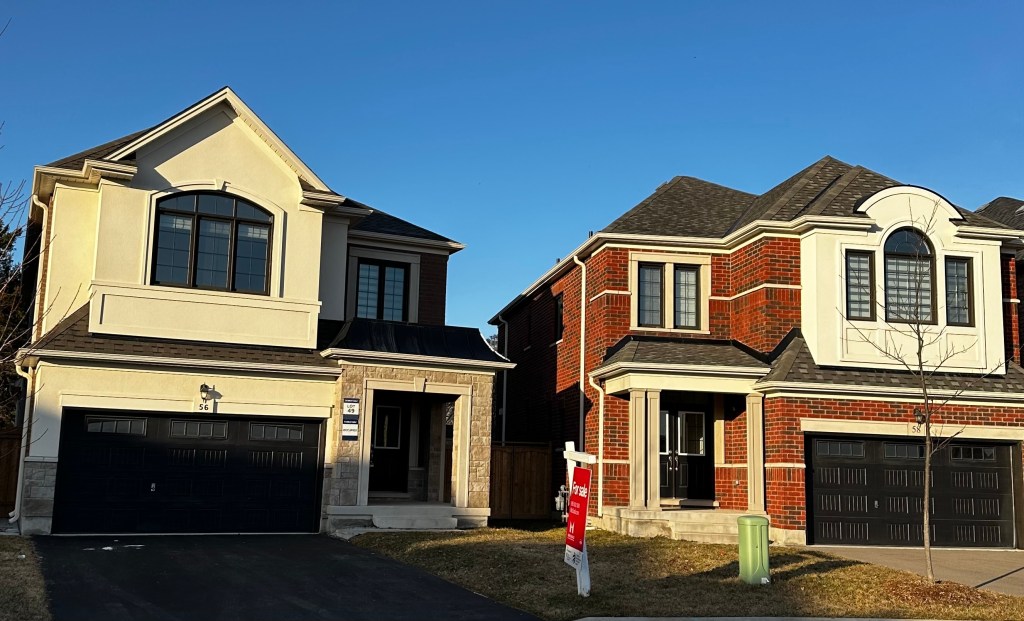
तस्वीरमा देखिएको यो लिस्टिङ एउटा ज्वलन्त उदाहरण हो कि कसरी अत्यधिक वाचा, गलत व्यक्तिमा भरोसा, र उचित जाँचबुझ नगर्दा साधारण बिक्री पनि एउटा सतर्कताको कथा बन्न सक्छ। आउनुहोस्, यस प्रॉपर्टीले किन बिक्न गाह्रो भएको छ र खरीददार र विक्रेताहरूले यसबाट के सिक्न सक्छन् भन्ने बारेमा छलफल गरौं।

रियल इस्टेट बजारलाई प्रायः अवसरको क्षेत्र मानिन्छ, तर यसले धेरै जोखिम पनि ल्याउँछ—विशेष गरी जब भरोसा गलत ठाउँमा राखिन्छ र आवश्यक जाँचबुझ गरिँदैन। हालै मेरो छिमेकमा भएको एउटा प्रॉपर्टी लिस्टिंगले खरीददार, विक्रेता, र लगानीकर्ताहरूका लागि केही महत्त्वपूर्ण शिक्षा दिन्छ।

घर नं. ५६ र ५८ को Celebrity Realtor: खाली प्रतिज्ञाको उदाहरण

यस समयमा, घर नं. ५६ Celebrity Realtor द्वारा बिक्रीमा राखिएको छ, जसले दावी गर्छन्, “यदि प्रॉपर्टी बिक्दैन भने, हामी आफैंले किन्नेछौं!” यो प्रतिज्ञा आकर्षक लाग्छ, तर यस प्रॉपर्टी (र यसको छिमेकी घर नं. ५८) को इतिहासले भने अर्को कथा सुनाउँछ।

दुबै घर एउटै मालिकको हुन्, जो आर्थिक समस्यामा परेको देखिन्छ। घर नं. ५८ पहिले एउटी मुस्लिम महिला रियल्टरद्वारा बिक्रीमा राखिएको थियो, तर एक वर्षभन्दा बढी समयसम्म बिकेन। त्यसपछि मालिकले अर्को मुस्लिम रियल्टर— Celebrity Realtor—लाई नियुक्त गर्यो, जसले आफूलाई “Celebrity Realtor” भनेर प्रचार गर्छन् र नबिक्ने प्रॉपर्टी किन्ने वाचा दिन्छन्। तर, Celebrity Realtor को प्रतिनिधित्वमा पनि घर नं. ५८ बिकेन र अन्ततः बजारबाट हटाइयो।

अहिले, घर नं. ५६ छ महिनाभन्दा बढी समयदेखि बिक्रीमा छ, तर अझै सम्म कसैले किनेको छैन। लामो समयसम्म बिक्रीमा रहने घरहरू प्रायः खरीददारहरूको लागि संदिग्ध बन्छन्—उनीहरूले सोच्छन् कि घरमा केही समस्या छ।

प्रमुख प्रश्न: के Celebrity Realtor ले साँच्चै नबिक्ने घर किन्छन्?

Celebrity Realtor को प्रतिज्ञा संदेहास्पद छ। यदि उनको वाचा साँच्चै हो भने, उनले किन घर नं. ५६ वा ५८ किनेनन्? वास्तविकतामा, यस्ता दावीहरू विपणन चाल हुन सक्छन्, ठोस आश्वासन होइनन्। विक्रेताहरूले कानुनी रूपमा स्पष्ट नभएका बडा वाचाहरूप्रति सतर्क रहनुपर्छ।

खरीददार र विक्रेताहरूका लागि प्रमुख शिक्षाहरू

१. धर्म, संस्कृति, वा समुदायको आधारमा एजेन्ट नचुन्नुहोस्

घर नं. ५६ र ५८ को मालिकले एक मुस्लिम रियल्टरबाट अर्को मुस्लिम रियल्टरमा स्विच गरे, सम्भवतः उनले साझा पृष्ठभूमिले राम्रो सेवा दिने विश्वास गरे। तर, क्षमता, बजार ज्ञान, र कुशलताको महत्त्व धर्म वा समुदायभन्दा बढी हुन्छ। यही छिमेकमा अन्य घरहरू बिकिरहेका छन्—यी दुई मात्र बिकिरहेका छैनन्।

२. बन्द नेटवर्क (रियल्टर + मर्चेन्ट बैंक + इन्स्पेक्टर) प्रति सतर्ग रहनुहोस्

रियल इस्टेटमा एउटा खतरनाक प्रवृत्ति छ—”बन्द नेटवर्क”, जहाँ रियल्टरले आफ्ना ग्राहकहरूलाई आफ्नै मर्चेन्ट बैंक, घर निरीक्षक, वा वकीलको सिफारिस गर्छ। यो सजिलो त हुन सक्छ, तर यसले हितद्वन्द्व पैदा गर्न सक्छ।

  • निरीक्षणमा असफलता: टोरन्टोको एक खरीददारले आफ्नो रियल्टर विरुद्ध मुद्दा गरे, किनभने उनले घरमा गम्भीर कमीहरू पत्ता लगाए—जुन कमीहरू रियल्टरले सिफारिस गरेको “भरपर्दा निरीक्षक” ले नदेखेको थियो।
  • मर्चेन्ट बैंकको ठगी: केही खरीददारहरू, जसको राम्रो आम्दानी र डाउन पेमेन्ट पनि थियो, उनीहरूलाई नेटवर्क भित्रै निजी मर्चेन्ट बैंकमा लगियो, जसले उनीहरूलाई बढी ब्याज तिर्न बाध्य बनायो।

स्वतन्त्र पेशेवरहरू खोज्नुहोस्। कहिल्यै पनि निरीक्षण छोड्नुहोस् वा आफ्नो एजेन्टको सिफारिसमा मात्र भर नपर्नुहोस्।

३. सबै कुरा जाँच्नुहोस्—अन्धविश्वास नगर्नुहोस्

धेरै खरीददारहरू, विशेष गरी पहिलो पटक घर किन्नेहरू, यो सोच्छन् कि उनीहरूको रियल्टर साथी वा समुदायको सदस्य भएकाले उनीहरूलाई धोखा दिँदैनन्। तर, वित्तीय प्रलोभनले विश्वासभन्दा माथि हुन सक्छ।

  • निरीक्षण नगर्ने: करोडौं रुपैयाँको घर किन्ने मानिसहरूले $ २००-३०० खर्च गरेर निरीक्षण गर्न असहमत हुन्छन्, रियल्टरको आश्वासनमा भर पर्छन्।
  • कानूनी कागजात अनदेखी गर्ने: केहीले कन्डो सर्टिफिकेट वा जग्गाको सर्वे नगरेर पछि ठूलो समस्या भोग्छन्।

शिक्षा: विश्वास गर्नुहोस्, तर जाँच गर्नुहोस्। निरीक्षण गर्नुहोस्, कन्डो कागजात हेर्नुहोस्, र जग्गाको सर्वे गर्नुहोस्। यी साना खर्चहरूले ठूलो नोक्सानीबाट बचाउँछ।

अन्तिम विचार: जटिल बजारमा आफूलाई सुरक्षित राख्नुहोस्

रियल इस्टेट बजार धेरै ठाउँमा ढिलो भइरहेको छ, र विक्रेताहरूले यथार्थवादी मूल्य राख्नुपर्छ भने खरीददारहरूले पूर्ण रूपमा जाँचबुझ गर्नुपर्छ। घर नं. ५६ र ५८ को कहानीले यी कुराहरू उजागर गर्छ:

  • प्रमाण नभएका बडा वाचाहरूमा भर पर्नु खतरनाक छ।
  • नेटवर्कहरूले ठगी गर्न सक्छन् यदि ध्यान दिँदैन भने।
  • स्वतन्त्र रूपमा जाँच गर्नु अनिवार्य छ।

तपाईं किन्न वा बेच्न लाग्दा, रियल इस्टेटलाई व्यापारिक दृष्टिकोणले हेर्नुहोस्—अन्धा विश्वासले होइन। सही पेशेवरहरूले तपाईंको जाँचबुझलाई स्वागत गर्नेछन्, न कि यसलाई हतोत्साहित गर्ने।

मुख्य कुरा: यदि कुनै सम्झौता व्यक्तिगत सम्बन्धमा मात्र आधारित छ भने, फेरि विचार गर्नुहोस्। तपाईंको आर्थिक भविष्य यसमा निर्भर गर्दछ।

Post 3: How I Convince Clients to Buy Homes They Can’t Afford

Welcome back to my world, where dreams are for sale—and so is your financial stability. In my last post, I revealed how I connect with clients and build trust. Today, I’ll share my secrets for convincing clients to buy homes that are way beyond their budget. After all, my goal isn’t to help you find a home you can afford; it’s to help me find a commission I can’t resist.

Step 1: The Dream-Selling Technique

It all starts with selling you a dream. I’ll show you a beautiful, spacious home with a pristine backyard, a modern kitchen, and a walk-in closet big enough to fit your entire wardrobe. When you hesitate at the price, I’ll reassure you: “This isn’t just a house; it’s your future. And isn’t your future worth investing in?”

I’ll downplay the cost, emphasizing the “long-term investment potential” and the “equity growth” you’ll enjoy. I’ll even throw in some buzzwords like “seller’s market” and “low inventory” to make you feel like you’re missing out if you don’t act fast.

Step 2: The Fear of Missing Out (FOMO)

Fear is a powerful motivator, and I’m not afraid to use it. I’ll tell you stories about other clients who hesitated and lost their dream homes. “Just last week,” I’ll say, “a couple waited too long, and now they’re stuck renting. Do you want that to be you?”

I’ll also create a sense of urgency by mentioning “multiple offers” or “interested buyers.” Whether it’s true or not doesn’t matter—what matters is that you feel the pressure to act now.

I’ll always tell you ‘buy now, think later’ – because who needs logic when I need commission? High interest rates? ‘Perfect time to buy – most people can’t even qualify!’ Low rates? ‘Prices will skyrocket soon!’ My job isn’t to help you make smart decisions – it’s to make sure you panic before you realize what a terrible deal you’re getting. That fear of missing out? I brew it fresh daily. ‘Buy today or you will never be able to buy!’ Remember: your poor financial choices are my early retirement plan.

Step 3: The Budget Stretch

When you finally bring up your budget, I’ll nod sympathetically and then gently push you to “stretch a little.” I’ll remind you that “you can always make more money, but you can’t make more time.” I’ll even suggest creative financing options, like borrowing from family or dipping into your retirement savings.

Step 4: Why Show You a Good Deal When I Can Show Myself a Bigger Commission?

Welcome to the realtruth about house hunting—where your dream home is secondary to my dream paycheck. When I show you a house, rest assured—I’ve already vetted it for maximum co-op percentage.

If the selling brokerage dares to list a reasonably priced home while cutting into my precious commission, you’ll never even know it existed. Meanwhile, the house is perfectly fine—it’s just that my paycheck would be slightly less ridiculous, and we can’t have that. My Golden Rule: If My Commission Shrinks, So Does Your Interest. If, by some tragic accident, you do stumble upon a well-priced home with a lower co-op fee, fear not—I have a foolproof method to steer you away.  The Bottom Line: Why would I show you a fair deal when I can show you an overpriced gem—one that you stretch your budget for and Istretch my bank account with? Your financial stability is temporary. My commission is forever.

By the time I’m done, you’ll feel like buying this house isn’t just a good idea—it’s the only idea. And that’s exactly where I want you.

Post 2: How I Hook, Line, and Sinker My Clients: The Art of Connection

Welcome back to my world, where charm is currency, and trust is a tool. In my last post, I introduced myself as the real estate agent who’s more interested in commissions than clients. Today, I’ll pull back the curtain on how I connect with the community and turn innocent bystanders into paying customers.

1. The Friendly Neighbor Act

The first rule of real estate is simple: be everywhere. I’m not just an agent; I’m a community staple. You’ll find me at school events, charity runs, and even your cousin’s wedding. I’m the guy handing out business cards with a smile, the one who always remembers your name (and your dog’s name, too). Why? Because trust is the foundation of my business. If you trust me, you’ll believe me when I tell you that the crumbling house on the corner is a “fixer-upper with potential.”

But it’s not just about being present; it’s about being relatable. I’ll share stories about my “struggles” as a single parent, my “passion” for volunteering, and my “love” for the community. Spoiler alert: most of it’s fabricated. But hey, if it gets you to trust me, it’s worth it.

2. The Social Media Guru

In today’s digital age, social media is my playground. My Instagram is a carefully curated gallery of me holding puppies, volunteering at shelters, and smiling like I’ve never met a commission I didn’t like. My captions are filled with hashtags like #CommunityFirst and #JustHereToHelp. But behind the scenes, I’m calculating every post, every like, and every comment to ensure maximum engagement.

I’ll even share “heartwarming” stories about helping clients find their dream homes. What I won’t share are the countless times I’ve talked clients into buying homes they couldn’t afford or glossed over major flaws in a property. But hey, that’s what filters are for, right?

Bonus Social Media Ad:
Have you seen my Facebook posts on “back-to-back deal close”? Back-to-back deal close tells you how many deals I’ve sealed in record time. Do you think it’s easy to do? No. For that, I always have to go way above the listing price when I’m helping my client to buy a house and way below the listing price when I’m helping to sell the property. Since I’m giving cash back and other incentives to my clients, it’s more than okay to do it. My clients don’t care about anything else when they get cash back and incentives—even if buying a good property at a reasonable price would outweigh my cash back and other incentives. If my clients are happy, who the hell are you to care about my deal-making art?

3. The Free Seminar Scam

One of my favorite tactics is hosting free seminars or workshops. I’ll advertise them as educational events for first-time homebuyers or investors. The truth? They’re just elaborate networking opportunities. I’ll dazzle you with buzzwords like “equity growth” and “investment potential,” all while subtly steering you toward properties that benefit me the most.

By the end of the seminar, you’ll be so impressed by my “expertise” that you’ll forget to ask why I’m offering this advice for free. (Hint: it’s not out of the goodness of my heart.)

4. The Referral Game

Once I’ve hooked you, I’ll exploit your network. I’ll ask for referrals with a smile, promising discounts or incentives I’ll never deliver. Your friends trust you, and I trust you to bring them to me. It’s a win-win—for me, at least.

1.   The Charity Charade

Finally, there’s the charity charade. I’ll sponsor some jerseys for tournaments, but they’ll have my name on them, and the athletes will essentially become walking advertisements for me. It doesn’t matter if people think all those athletes are actually me—what matters is that my name is out there. I’ll also donate to community causes and even organize community clean-ups. But let’s be real: I’m not doing this out of altruism. I’m doing it to build goodwill and position myself as a pillar of the community. And while you’re thanking me for my “generosity,” I’ll be handing you my business card.

6. My Incentives: The Ultimate Hook

I advertise myself as the best realtor in my community. When clients compare me with realtors from other communities, I scare them with tales of linguistic differences and hard-to-deal-with situations. When they compare me with realtors from my community, I show that I have better incentives than anyone else.

Here’s the deal: I give 1-1.5% cash back if they buy or sell property through me. On top of that, I’ll buy gifts for their housewarming party. But the real kicker? Buying or selling property with me is connected to someone very special—me. It’s not just a transaction; it’s an experience. And who doesn’t love cash back and free stuff?

Conclusion: A Call for Change
While this post is written in jest, the unethical practices it highlights are all too real. As a community, we must demand transparency, honesty, and accountability from real estate professionals. After all, a home is more than a transaction—it’s a dream, a sanctuary, and a lifetime investment.

So, the next time you meet a real estate agent who seems too good to be true, remember: not everything is as it seems. And if you ever need help navigating the murky waters of real estate, just remember my motto: “Trust no one—especially me.”

Post 1: Confessions of a Rogue Real Estate Agent: Who I Am and What I Do

When you think of a real estate agent, you probably picture someone friendly, trustworthy, and eager to help you find your dream home. Well, let me introduce myself—I’m the agent who shatters that stereotype. I’m not here to help you; I’m here to help myself. My name doesn’t matter (let’s call me “Mr. Slick”), but my mission does: to turn your home-buying dreams into my commission checks.

How I Became a Realtor

I didn’t come to this field because I had a deep passion for real estate or a wealth of knowledge about property markets. No, I came because I saw people making money—lots of it. And I wanted a piece of that pie.

Now, you might think becoming a real estate agent requires hard work, studying, and passing rigorous exams. And in some places, maybe it does. But in some places? Let’s just say there are… shortcuts.

I was tired of working manual, low-paid jobs, so I chose the easy way out. Do not ask whether I bought test questions for a good amount of money or if someone else wrote the exam for me. Let’s just say I passed, and that’s all that matters. After all, in this business, it’s not about what you know—it’s about who you can convince.

My ‘Unique’ Communication Skills

You might also think that being a real estate agent requires excellent communication skills, a deep understanding of real estate rules, and city bylaws. Well, let me stop you right there. I didn’t come to this field because I’m a great communicator or a legal expert. I came because I saw an opportunity to make money—and I don’t need to know the rules to do that.

Sure, I might not be able to explain the intricacies of zoning laws or the fine print in a purchase agreement, but that’s not my job. My job is to make deals. And if that means convincing you to pay an unreasonable price for a property, so be it. After all, I’m not the one buying it—you are.

The Art of Making Customers

To build my clientele, I’ve mastered the art of being everywhere. I attend cultural programs, organizational events, and even sports tournaments. I’ll invite you to Tim Hortons or a local restaurant, casually bump into you on your daily route, and make you feel like I’m the best real estate guy out there.

But it doesn’t stop there. I’ve strategically positioned myself as a board of director or advisor in various community organizations. Why? Because it gives me access to you. You’ll see me at every event, shaking hands, smiling, and handing out business cards. I’m not just a realtor; I’m a community staple. And if that means I have to join every organization in town, so be it.

The Support System: My Community Leaders

Realtors work in pretty much the same way, but I’m lucky because doing business in my community is incredibly easy. Why? Because my community leaders help me advertise me as a great realtor. As long as I keep them happy, they’ll keep promoting me.

Now, you might think that being a realtor comes with some level of accountability. After all, there’s a governing body that’s supposed to keep us in check. But here’s the thing: I don’t have to worry about criticism from my community for my potential unethical and unskilled practices. If someone complains about my manipulative tactics, my community leaders will blame you for not doing your research instead of blaming me.

The Nepalese Student Example & Its Inference 

Take, for example, the educational consultancies that brought so many Nepalese students to Canada by selling them illusions. Did you hear anything against those consultancies when Nepalese students suffered financial hardships due to a lack of jobs and other resources? No. But you’ve seen my community leaders always talk about helping international students here in Canada, right?

My community leaders are very powerful, and they know how to make everyone happy. Do you remember when they asked the Nepalese embassy to issue a notice warning students and their parents to come prepared? They did this because the promises made by these consultancies were, well, lies.

The exemplary personalities in my community do the same thing. They can’t risk losing their chances of being recognized as an exemplary personality and invited as chief guests to deliver keynote speeches by criticizing these social wrong doings. Everything operates this way in my community, and there’s no need to worry—unless you’re on the receiving end of these manipulations.

But here’s the kicker: when the hardships faced by international students came to light and people and students themselves complained about their struggles, the community leaders didn’t blame even a bit to the educational consultancies for selling false dreams because they all had their own businesses to protect. Instead, they blamed the students for not doing enough research and preparation before coming to Canada. And the same logic applies to you. If you complain about my potential unethical and unskilled practices, my community leaders will say, “You should have done your research before entering into a deal.”

So, don’t ask me what happens to those who complain against entrepreneurs like us. Let’s just say it’s not pretty.

A Note to the Realtors from My Community

Let me make one thing clear: I know my reach is mostly limited to my community. My communication skills, or lack thereof, and a few other quirks keep me grounded here. But that’s fine by me. Once I shake hands with someone from my community, they’re my client—no exceptions. If any other realtor dares to show them property, well, let’s just say we’ll have a little chat on your way back from the showing.

And don’t get a headache when my clients pay what you might call an “unreasonable” price for a property. They’re happy with my cash-back offers and my generous lending terms when they fall short on the down payment. Sure, the interest rates might be a tad high, but hey, I’m here to help—myself, that is.

So, to my fellow realtors: tread carefully. My clients are my territory, and I don’t take kindly to poachers.

Conclusion

At the end of the day, I’m not here to play the hero or follow some moral compass. I’m here to make money, and I’ve found a system that works—for me. If you’re not careful, you might just find yourself on the wrong side of my deals. So, do your research, ask questions, and maybe think twice before shaking my hand. After all, in this game, the only person looking out for you is you.

(A Quick Note to Readers: This post is written in a satirical and humorous tone. While it may highlight some uncomfortable truths about the real estate world (and beyond), it’s all in good fun. My next real estate related post will be on how I hook people for my deals. You won’t want to miss it!)

The Story Behind My Profile Picture: A Reflection on Identity, Authenticity, and Oddities 

As a professor who teaches writing courses—whether first-year composition, technical writing, or professional writing—I place a strong emphasis on genre and genre analysis. Genres, after all, are not just types of texts; they are dynamic responses to social and communicative needs. They shape how we interact with the world, from sending a text message to writing an email to a boss, from Instagramming to expressing grief at a funeral. Each genre reflects social hierarchies, historical contexts, technological advancements, and cultural norms. My Facebook profile picture, an artifact that might seem simple at first glance, is a perfect example of how genres and artifacts can encapsulate personal, social, economic, and even political dimensions of our lives.

The Oddities That Make It Perfect

Let’s start with the oddities. This picture was taken at home by my children, not in a studio by a professional photographer. The lighting isn’t perfect, the background is my living room, and my height—something I’ve always been conscious of—is unmistakably visible. At times, I’ve felt the urge to change it. Friends have suggested, more than once, that I replace it with something more polished, more “professional.” But every time I consider swapping it out, I stop. Why? Because this picture, with all its imperfections, feels like the truest representation of who I am.

The oddities in the photo are a reflection of my life. I’m a professor at a prestigious university in the U.S. and at a college in Canada, yet I chose to get an Ontario realtor license during the COVID-19 pandemic, a time of global uncertainty. The picture was taken in June 2020, just after I earned my Ontario Real Estate License. It was a moment of professional achievement, but also a moment of personal reflection. I didn’t go to a professional photographer for several reasons: the pandemic restrictions, my financial prudence, and perhaps most importantly, my desire to present myself as both a professional and a down-to-earth person. The result is an image that captures my duality—a scholar and a realtor, a professional and a family man, someone who critiques societal flaws while embracing his own imperfections.

A Response to Social Expectations (Carolyn Miller’s Genre Theory)

Carolyn Miller’s theory of genre as social action helps explain why this picture works. Genres, she argues, are not just templates but responses to recurring social situations. My profile picture responds to the genre of professional headshots, but it also challenges it. Traditionally, a professional headshot is polished, formal, and often impersonal. Mine, on the other hand, is homegrown, authentic, and deeply personal. It reflects the social changes brought about by the pandemic, when many of us had to adapt to new ways of working and presenting ourselves. It also reflects my cultural values as a Nepalese individual—values that emphasize humility, modesty, and resourcefulness.

The picture also responds to the expectations of my dual roles. As a professor, I’m expected to project intellectual authority; as a realtor, I’m expected to be approachable and trustworthy. This image strikes a balance between the two. The suit signals professionalism, while the home setting and the involvement of my children add a touch of warmth and relatability. It’s a visual negotiation of my multifaceted identity.

Why I Can’t Change It

I’ve tried to change this picture many times. I’ve browsed through other photos, considered retaking it, and even experimented with editing tools. But each time, I come back to the same conclusion: there’s no other picture that represents me as fully as this one. Its imperfections are part of its charm. The slightly awkward pose, the homemade quality, the visible height—they all tell a story. They remind me of where I was in June 2020, navigating a global crisis while pursuing a new career. They remind me of my children, who took the photo and are an integral part of my life. They remind me of my values—authenticity, humility, and a willingness to critique societal norms, as I did in my blog post on the dark side of Nepalese cultural entrepreneurship in Canada.

Friends who suggest changing the picture mean well. They want me to present the “best” version of myself. But what they don’t realize is that this is the best version of me—not because it’s flawless, but because it’s real. It captures my priorities, my circumstances, and my identity in a way that no studio photo ever could.

The Significance of Artifacts in Representing Broader Issues

Artifacts like this profile picture are not just personal; they are deeply connected to social, economic, historical, and political contexts. Scholars like Charles Bazerman and Amy Devitt have emphasized how genres and artifacts mediate social interactions and reflect broader cultural and institutional practices. Bazerman, for instance, argues that genres are tools for navigating complex social systems, while Devitt highlights how genres evolve in response to changing social needs. My profile picture, as an artifact, embodies these ideas. It reflects the economic constraints of the pandemic, the historical moment of global disruption, and the social expectation to present oneself professionally while staying authentic.

Moreover, the picture speaks to the politics of representation. In a world where social media often encourages us to curate idealized versions of ourselves, this image challenges the norm. It’s a statement about embracing imperfections and resisting the pressure to conform to societal standards of perfection. It’s also a critique of the commercialization of professional identity—why spend hundreds of dollars on a studio photo when a homemade image can tell a richer story?

A Reflection on Identity and Society

This picture is more than just a representation of me; it’s a reflection of my family, my society, and my time. It was taken during a historical moment—the COVID-19 pandemic—when traditional norms were upended, and authenticity became more valuable than perfection. It reflects my cultural background, where humility and modesty are prized, and my professional environment, where credibility and approachability are essential. It even reflects my role as a critic of societal practices, as someone who values truth over sugar-coated narratives.

In a world where social media often encourages us to curate idealized versions of ourselves, this picture stands as a testament to the power of authenticity. It’s a reminder that our imperfections are what make us unique, and that the best representation of ourselves is often the one that tells the fullest story.

Conclusion: Embracing the Oddities

So, here it stays—my profile picture, with all its oddities and imperfections. It’s not just a picture; it’s a statement. It says that I am a professor, a realtor, a husband, a father, and a critic of societal flaws. It says that I value authenticity over polish, and that I’m proud of who I am, even if I don’t fit conventional molds. It’s a picture that responds to social expectations while staying true to my identity. And for all these reasons, I can’t imagine replacing it.

In the end, this picture isn’t just about me. It’s about all of us—our struggles, our triumphs, and the ways we navigate the complexities of life. It’s a reminder that sometimes, the most meaningful artifacts are the ones that aren’t perfect, but are perfectly us.

How Much Is Our Interest Rate After Bank of Canada’s January, 2025 Interest Rate Cut?

The Bank of Canada has reduced the interest rate to 3%. This means the Bank of Canada’s rate is now 3%. However, the Bank of Canada only lends to banks, not to individuals. Therefore, there is the Commercial Bank Prime Rate, and banks set their rates based on the Bank of Canada’s rate. As a result, the Commercial Bank Prime Rate is now 5.2%. The Home Equity Line of Credit (HELOC) rate ranges between 5.2% and 5.7%. If you are paying more than 5.7%, you can negotiate with your bank to lower the rate.

Variable rates are available at a discount of 0.65% to 1.15% from the Bank Prime Rate. These rates range from 4.05% to 4.55%. The advantage of variable rates is that the penalty is only 3 months’ interest.

Fixed rates have also decreased. The 5-year fixed rate is between 3.99% and 4.24%, while the 3-year fixed rate is between 4.04% and 4.19%. These rates are available for renewals, transfers, and refinancing.

So, go to the market, negotiate the rates, and try to lower them. If you have received a renewal notice, you can reduce the rates. Negotiate with your bank, try to lower the rates, and if necessary, even threaten to leave the bank. This is important to do.

Mortgage Debt and Housing Crisis

Another reason of housing bubble is mortgage debt! When interest rates were historically low during the Covid-19 period, people easily qualified for mortgages. And, many buyers were in the real estate market and bought homes. When everyone wanted to buy, house prices went up. Do you remember house prices from the end of 2021 to May 2022? People say that house prices can never rise to that point. Do you think the value of the house has gone up since you and your partner bought a house to live in? If you think so, you are wrong. As speculators saw the potential to make money in that hot real estate market, they bought many houses not to live in but to sell them later to make money. For example, you may have seen some houses in your neighborhood sell multiple times in a short period of time. Have you even heard of real estate agents involved in fixing home prices through artificial bidding at that time? Did you hear about some real estate client suing real estate agents for bidding wars? I have heard and read about them all. Were all those things there when the real estate market was hot?

Now let’s come back to today's topic! Another cause of the housing bubble or housing crisis is mortgage debt! When interest rates are low, people pay historically high prices to buy homes. Then, the government should control it and to control inflation in general and house prices in particular, the government raised interest rates. Then, what happens? Businesses slowed or stopped, people lost jobs and people found it difficult to buy food for their family members. And people found it difficult to pay their mortgages. Analysis by the Royal Bank of Canada shows that Canadian housing is less affordable/affordable than it has ever been. By 2023 Canada's non-financial debt will exceed 300% of GDP and domestic debt will exceed 100% of GDP, both higher than levels seen in the United States before the 2008 global financial crisis. And the mortgage loan increased! According to a report by the Canadian Mortgage and Housing Corporation (CMHC), Canadian mortgage loans totaled $2.16 trillion – up 3.4 per cent from the same period last year. High interest rates and uncertainty over the central bank's plans to cut key interest rates led to lower home sales and softer prices in many areas. This is the current situation. RSM Canada economist Tu Nguyen says it's not surprising that housing market activity has slowed. Imagine when more people can't pay their mortgages and the banks take over their property. Imagine when more people can't pay their mortgages and the banks take over their property. Then, there will be no house sales and there will be no new projects. This means the housing bubble may burst soon and the housing market will crash if Canadian government will stop protecting the housing market in future! (My next post will be on another reason of housing bubble!)

Interest Hikes and Housing Bubble Burst

Another reason for housing bubble or housing crisis is interest rate hikes. If interest rates are low, housing bubbles often get even bigger. At lower rates people can buy larger mortgages, increasing demand and driving up prices. Buyers may take out risky loans, ignoring warning signs like rising interest rates or a shrinking economy. And then there’s the herd mentality. People see big money being made in the real estate market and so do other people. A real estate shopping frenzy ensues. When people are in a bubble they think the market will never change! For example, when the Bank of Canada cut interest rates during Covid in 2020, house prices skyrocketed by May 2022.

When there is too much inflation and house prices are too high, it needs to be controlled to cool down inflation and the housing market. The Bank of Canada raised interest rates in July 2017 for the first time in seven years, slowing the housing market as Canada’s biggest banks raised interest rates. And, the biggest interest increase comes in 2023. The Bank of Canada raised interest rates by 100 basis points in 2023 to curb inflation, the largest increase since 1998. The governor of the Bank of Canada said the increase was necessary to prevent high inflation from stifling. The governor had said that the interest rate will be reduced to 2 percent. On the other hand, according to economists, it was a gamble by the Bank of Canada, that inflation had factors other than the housing market (such as the war in Ukraine, supply chain issues and so on) that were beyond the Bank of Canada’s control. According to economists, this would certainly reduce inflation but not immediately. Whether or not it controlled the price of food, oil, it certainly controlled the housing market. The rising rates certainly affected those who took out mortgages for home purchases and took out new loans. According to economists, this would certainly reduce inflation but not immediately. Whether or not it controlled the price of food, oil, it certainly controlled the housing market. The rising rates certainly affected those who took out mortgages for home purchases and took out new loans. We can see that when the Bank of Canada starts raising interest rates from July 2022 and home prices start to cool. Yes, interest rate hikes in 2022 and 2023 have certainly cooled the market, although they have not burst the housing bubble. If interest rates rise sharply, it can become more expensive to get a mortgage, which can reduce demand for houses and condos. Now people are not ready to go to the real estate market! Yes, the housing market has definitely cooled but not cracked yet! The housing bubble has yet to burst and a housing crisis could happen at any time. (My next post will be on another mortgage loan!)

Short Housing Supply: A Contributing Factor of Housing Bubble in Canada

Canada, especially Greater Toronto Area (GTA), has a lack of housing supply! No matter where land for the first time as immigrants or live in general, they want to settle down in GTA since Toronto is the financial capital of Canada and there are more job and enterprenual opportunities than other places in Canada. According to Financial Post, “Among the G7m Canada has the lowest average housing supply per capita with 424 units per 1,000 people, which places the country behind the United States and the United Kingdom. France, by comparison, leades the G7 at 540 units per 1,000. The pandemic, which allowed households to accrue record savings and saw unprecedented stimulus measure, stoked the country’s hot housing market and has pushed it into frothy territory over the past two years”. CMHC warned back in 2022 that Canada will need 5.8 million new homes by 2030 to tackle affordability crisis (CBC News). Yes, they like to build more houses, however, there is a complex time-consuming approval process. According to Amborki, it can take eight to ten years to go from acqiring undeveloped land to building houses. Most importantly, it is very hard to get land in or close to Toronto area.

Canadian government has done something for the housing affordability. And, it has recently (from April 1, 2023) announced First Home Saving Account (FHSA) and it is a registered plan allowing you, as a prospective first-time home buyer, to save for your first home tax-free (up to certain limits). And, it has prohibited on the purchase of residential property by non-Canadians Act. And, it has initiated a vacancy tax at federal, provincial and municipal in some cases. No matter what the government is doine, it shows that it is easier said than done.

Experts say that Canada is sitting on the larguest housing bubble ever! And they believe that bursting of the bubble is inevitable. Even is the economic crisis in US in 2008, Canadian housing market did not crash. It only went to -9.2% low and it recovered quickly. They say that Canadian housing market has not seen that correction yet. After the recession in 2008 the banks around the world lowered the interest rates to very low as a result, it became very easy to get a mortgage and buy a house until 2022.

As a result, many investors took that money and invested in the real estate because the investment in the real estate had a track record of generating income from the investment. As a result, on the one hand there are houses that belong to investors that are empty, on the other hand there not enough houses for other people to live. As a result, when those people who do not have homes want to buy one, there are not enough homes available in the market. Property prices in the market are skyrocket, when so many people want to buy a property. Rapidly rising prices of assets lead to volatile prices. As a result, a huge bubble has been created for a long time and especially after covid-19! Experts say Canada is living in the biggest housing bubble ever! And they believe that the bursting of the bubble is inevitable. (My next post will be in interest rate and housing bubble!)

Speculators and Housing Bubble in Greater Toronto Area (GTA)


Let's start with the first factor of housing bubble for today.  The number one biggest driver of the housing bubble is speculators' speculation. Don't you ever wonder why home prices in the GTA are so high? If you think about housing prices here, one of the reasons why house prices are so high in the GTA is because of those speculators. Speculators buy properties not to live in or rent out, but to sell quickly and at high prices to make huge profits. A simple example is the fact that realtors have lots of houses in the GTA at a time when it is difficult for many Ontarians to buy a house! When speculation causes people to feel that home prices will rise indefinitely, this can lead to a bubble as people continue to buy homes at increasingly high prices for an investment purpose.

The same has been happening in the Greater Toronto Area (GTA) for a long time now. Speculators are banking on the fact that their home values ​​will continue to rise. One of the reasons Canadian homes are so expensive is because of speculators' valuation practices. The Canadian government comes up with various control measures to prevent this (such as the previous foreign buyer tax increase and the current higher tax on earnings over two hundred and fifty thousand) from time to time, however, they easily find flaws in the government's efforts, and it is difficult to completely control or prevent it. Yes, many immigrants have come and are coming to Canada, and they all prefer to settle in the GTA. Everyone in the GTA needs a house to have a roof over their head and raise their family for sure . Because of this the GTA housing market is heating up by the day. It cannot always be hot, and it needs to be cooled. The housing bubble created by this fever will one day burst, and it must burst to control the unruly real estate market. Honestly speaking,  many people want to see this market crash so they can afford to buy a house! And it's also true that the current housing situation is worse than a housing crash. However, this should not be an accident because its consequences are beyond imagination. (I'll talk about the second factor in the housing bubble in my next post!)