
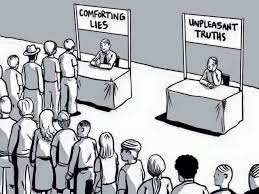
In our culture that often prizes harmony over honesty, writing truthfully feels like walking a tightrope without a net. Every word risks offending someone, challenging tradition, or exposing uncomfortable realities we’ve collectively agreed to ignore. Yet this is precisely why we need writers willing to take that risk.
The journey of truth-telling in Nepali communities comes with invisible burdens. As Chitra Pradhan often observes in his thoughtful social media commentaries, those who don’t understand you may attack you first. But his wisdom reminds us that beyond the initial resistance lies potential for meaningful dialogue – if we’re brave enough to persist through the discomfort.
The reality of writing truth in our communities comes with invisible price tags. Like Chitra Pradhan experienced, there’s a special kind of isolation that comes with voicing uncomfortable truths. Social media becomes a theater where friends cheer from the shadows but refuse to stand beside you in the light. They’ll message privately – “I agree with you but…” – while their public profiles show conspicuous silence. The same people who egg you on to be bolder will be first to whisper “I knew he’d get in trouble” when backlash comes.
I’ve felt this tension personally. My own wife, my most honest critic, frequently asks with concern: “Why write what will make people angry?” Her worry reflects our collective conditioning – we’ve been taught that keeping the peace matters more than speaking truth. When corruption masquerades as tradition and injustice gets dismissed as “just how things are,” breaking the silence does make you a target.
Yet beneath this surface of enforced harmony flows an underground current of solidarity. The private messages that arrive like secret handshakes – “You said what I couldn’t.” The knowing glances from acquaintances in Tim Hortons. These moments reveal our society’s painful contradiction: we punish public dissent while privately craving someone to voice the truths we all see but dare not name. In this sense, those who dare to write about these community issues are black rams!
Writers like Punya Sagar Marahatta embody this necessary courage. Through his incisive commentary on issues like “unknown candidates” in our elections or the “fake refugees” phenomenon, he demonstrates how truth-telling can illuminate our collective shadows. His work, like that of many others, faces the predictable cycle of initial resistance followed by grudging recognition – exactly as Chitra Pradhan describes.
The resistance we face says less about our writing and more about how uncomfortable growth feels. Every cultural shift begins with someone saying aloud what everyone knows but won’t acknowledge.
As readers and writers, we face a choice: will we continue whispering our truths in private while maintaining polite silence in public? Or will we create spaces – in our conversations, our social media, our communities – where honest dialogue can flourish?
The next time you read something that challenges but resonates, consider this: your silence protects the status quo, but your engagement – a like, a comment, a conversation – helps change it. The writers brave enough to speak truth need readers brave enough to stand with them.
After all, a society that only tolerates comfortable truths will never grow beyond them. Our collective future depends on having these uncomfortable conversations today. Who will you support in speaking them?
