
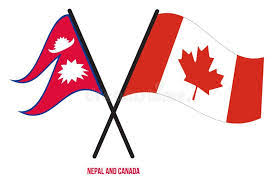
As Canada moves closer to the 2025 federal election, the Nepali diaspora in Canada stands at a critical moment of political self-reflection. The community’s engagement with electoral politics is being shaped not just by party loyalties, but by deeper questions of identity, belonging, and generational priorities.
Canada’s Nepali diaspora finds itself at a defining crossroads, its political maturation tested by three competing visions embodied by its candidates. Bijay Paudel’s Conservative campaign thrives on ethnic solidarity despite his party’s anti-immigration stance, his NRNA connections overshadowing policy contradictions that would see family reunification programs gutted even as Nepal faces climate crises exacerbated by the very carbon tax he vows to eliminate.
Meanwhile, Bhutila Karpoche’s landmark achievements on rent control and pharmacare go curiously ignored by the community she shares heritage with, her Tibetan-Nepali identity somehow rendering her less “authentic” in the eyes of those who claim to value representation.
Into this fray steps Prashant Dhakal, the Green Party’s Ottawa West-Nepean candidate, whose climate tech background and advocacy for skilled immigrant credential recognition present the diaspora with its starkest generational choice yet. Where Paudel offers nostalgic cultural familiarity and Karpoche delivers progressive policy results, Dhakal forces a confrontation with planetary urgency – his carbon pricing plan disproportionately benefiting low-income newcomers even as it draws skepticism from older small business owners.
When activist Punya Sagar Marahatta’s viral post “The Unknown Candidate” exposed these contradictions, it revealed more than selective solidarity; it laid bare the community’s unexamined hierarchies of caste, generation and what truly constitutes “Nepali-ness” in Canadian politics. This trio exposes deepening fault lines between ethnic solidarity and policy alignment. When activist Punya Sagar Marahatta questioned these contradictions in his viral post “The Unknown Candidate,” he revealed selective solidarity—where Paudel is embraced but Karpoche and Dhakal are marginalized—along with persistent hierarchies of caste, ethnicity, and generation.
In this pivotal election, the choices facing Canada’s Nepali community are about more than candidates—they reflect broader tensions between tradition and transformation. How the community responds may well shape not just its political future, but its collective identity in Canada for years to come.
